
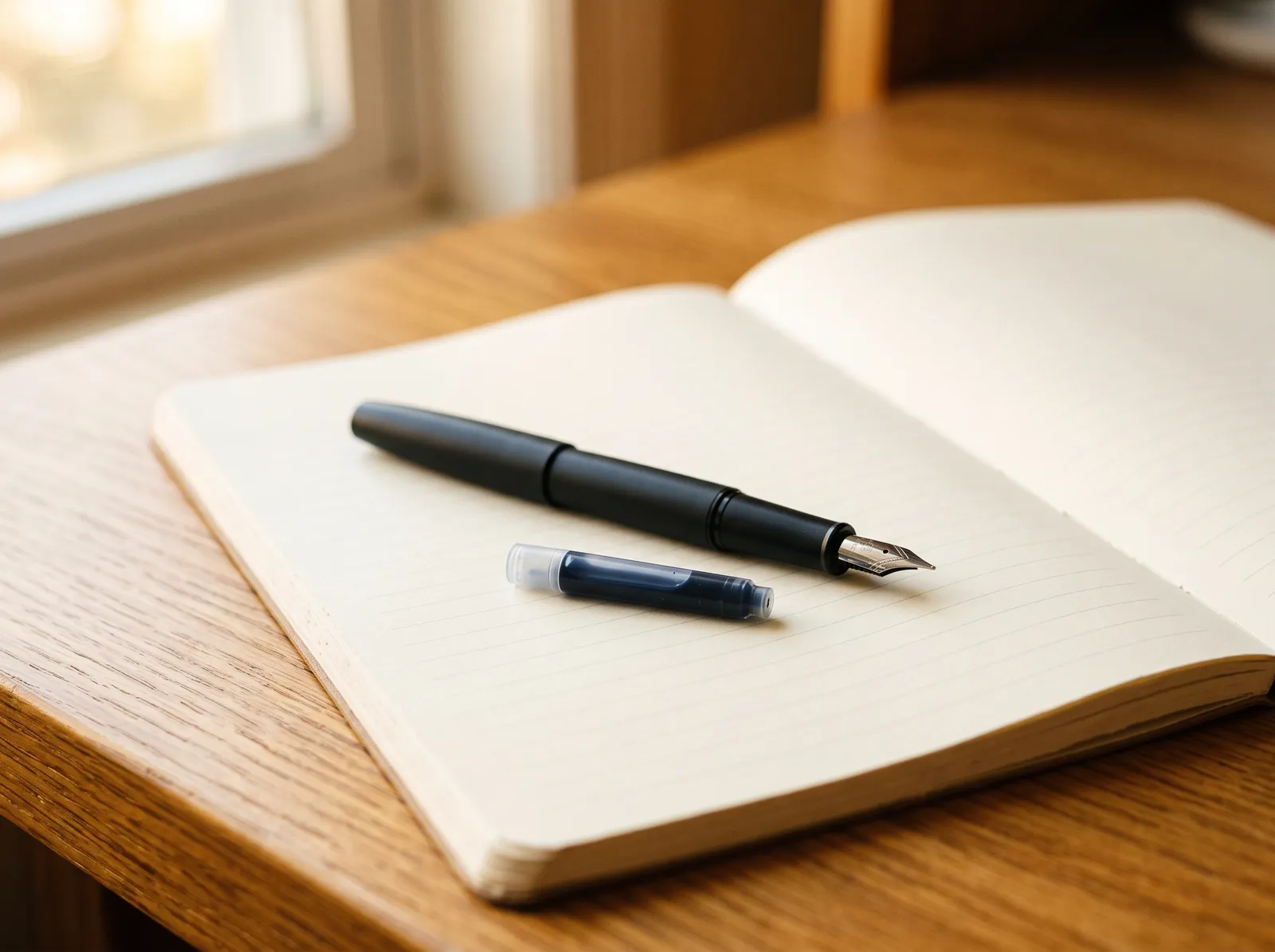
Starting with a fountain pen is more approachable than it looks. The tools themselves are simple — no batteries, no complex mechanisms — and once you understand how ink flows, how nib sizes differ, and how to hold the pen, you can write smoothly within an hour of picking one up.
How a Fountain Pen Works
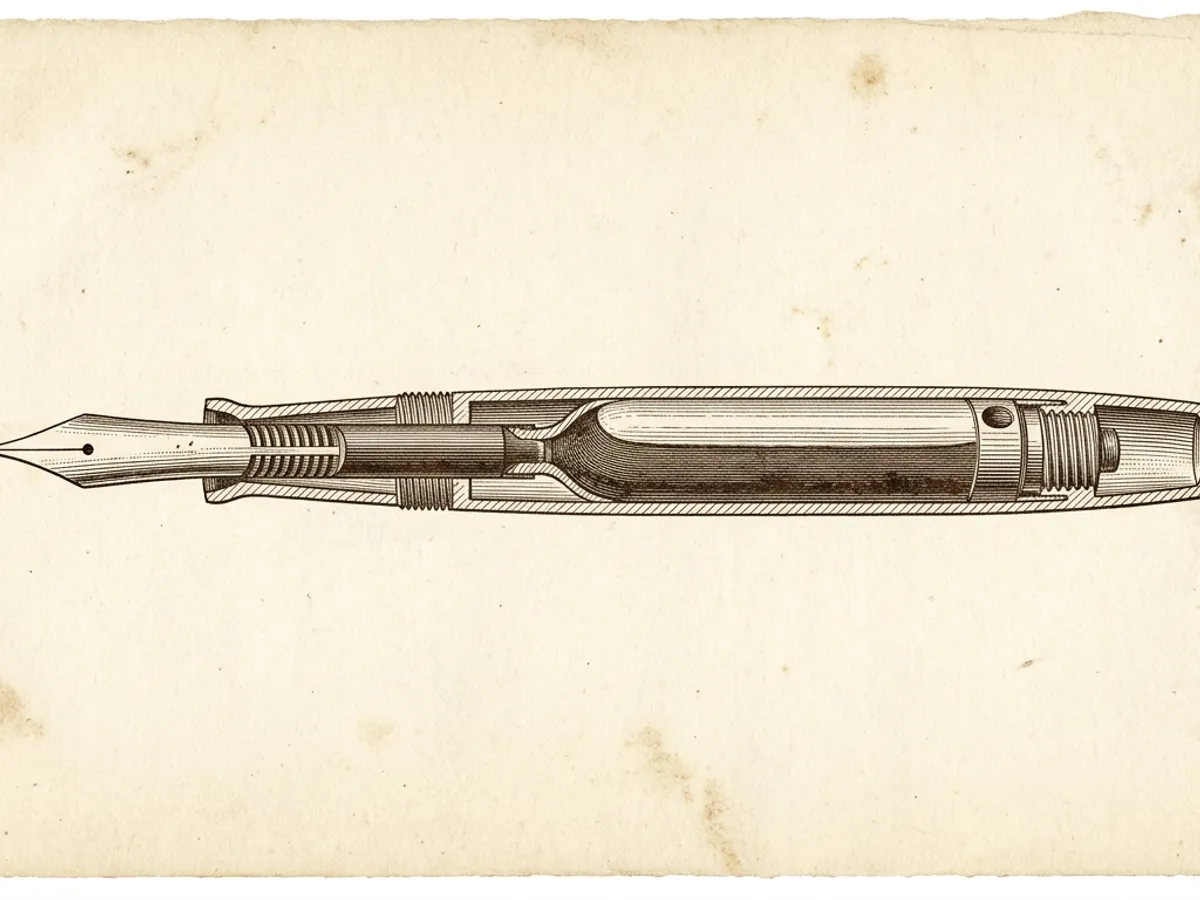
A fountain pen has three connected parts: the nib (the split metal tip that touches the paper), the feed (a ribbed plastic channel seated beneath the nib), and the ink reservoir (a cartridge, converter, or built-in tank).
Ink travels entirely by capillary action — the same force that pulls water up a paper towel. Tiny grooves in the feed draw ink from the reservoir to the nib’s central slit in controlled, steady amounts. As the nib contacts the paper, ink transfers by wicking — you apply no pressure to push it out.
This is the fundamental difference between a fountain pen and a ballpoint. Ballpoints use pressure to spin a ball through thick ink. Fountain pens use gravity and capillary forces to flow thin ink onto the page. Less effort, less hand fatigue, and — for many writers — a much more pleasant experience.
The feed also plays a second role: it draws air back into the reservoir to replace the ink that has been used, maintaining pressure balance and keeping flow consistent across an entire page.
Choosing Your First Nib Size
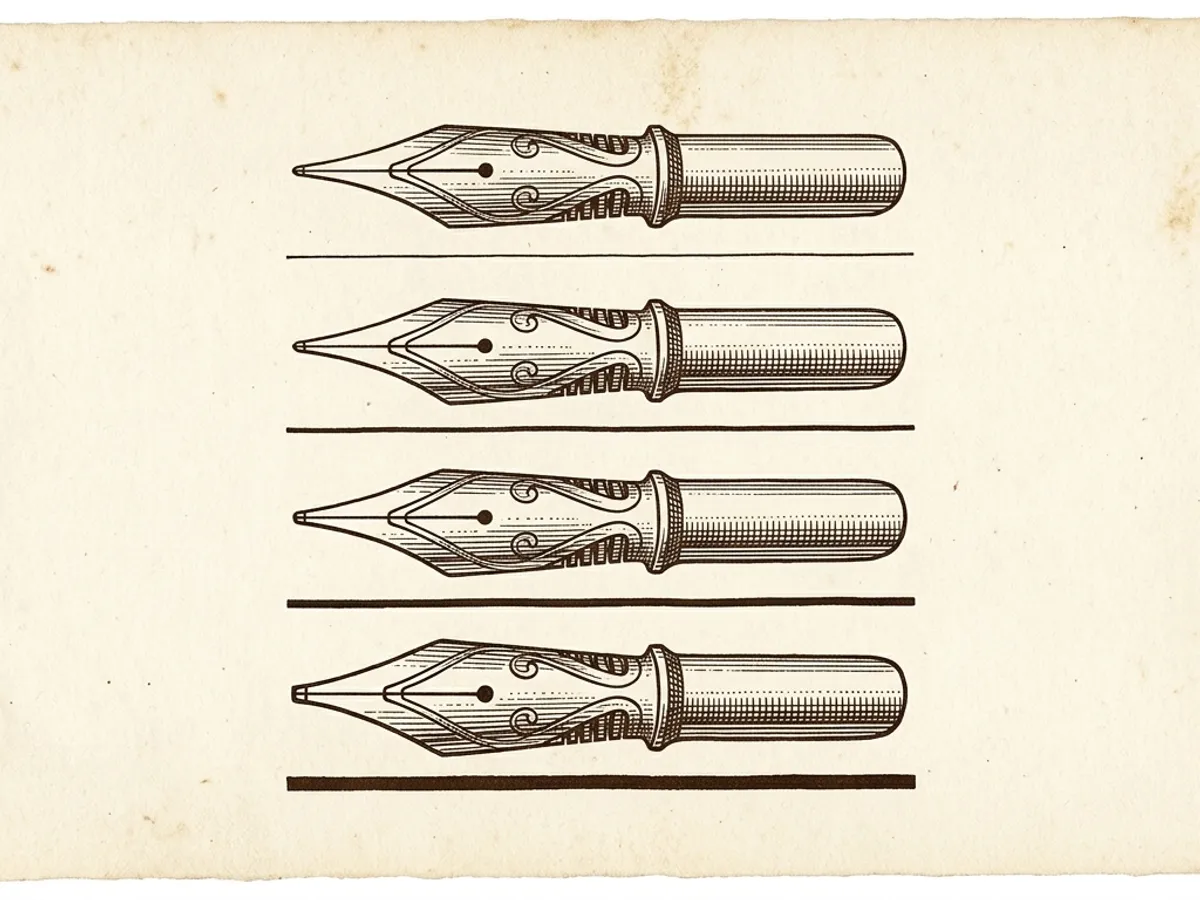
Nib sizes run from EF (extra fine) through F (fine), M (medium), B (broad), and sometimes larger or shaped variants like stub and italic. The label describes the width of the nib’s contact tip and, roughly, the line it leaves on paper.
For most beginners, a medium nib is the safest choice. It flows generously across most papers, tolerates small variations in writing angle, and is less prone to hard starts than finer nibs. Fine and extra-fine nibs demand a more consistent angle and are more sensitive to paper quality — they can feel scratchy or skip on rougher surfaces.
One important caveat: nib size labels are not standardized across brands. Japanese manufacturers tend to cut their nibs notably finer than European brands. A fine nib from a Japanese maker writes about as thin as an extra-fine from a European brand; a Japanese medium writes closer to a European fine. If you prefer a fine line, start with a European fine nib. If you want a bolder, wetter line, a European medium is reliable and forgiving.
For a focused look at how nib shapes and sizes affect the line, see our guide to fountain pen nibs.
Cartridge or Converter: How Ink Gets In
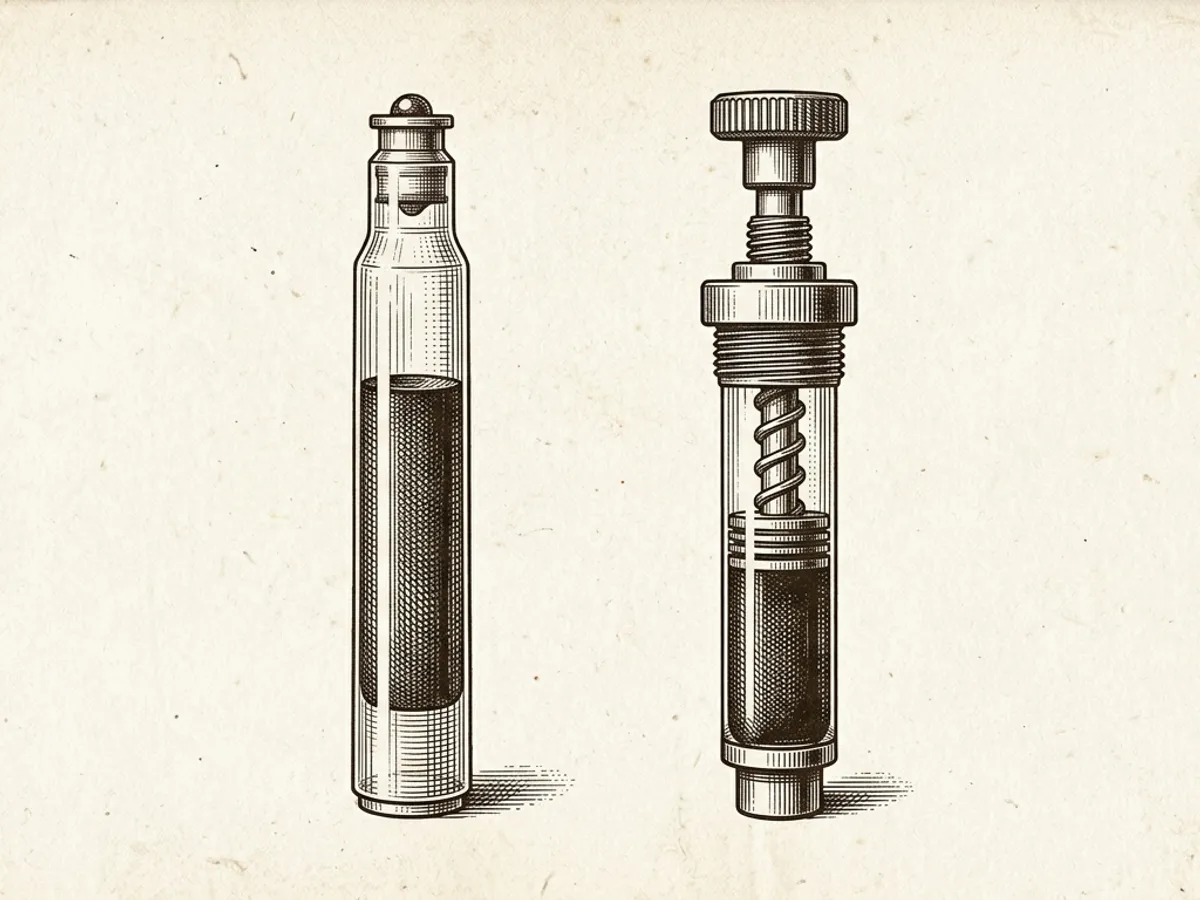
Most entry-level pens accept ink two ways:
Cartridges are sealed plastic tubes pre-filled with ink. You snap or press one into the pen’s barrel, and you’re writing within seconds. They’re clean, portable, and require no setup. The main trade-off: you’re limited to the ink colors your pen’s manufacturer produces, and you generate a small piece of plastic waste with each cartridge.
Converters replace the cartridge and let you draw ink from any bottled fountain-pen ink. Most use a small piston or squeeze bulb. They’re more versatile — you can choose from hundreds of inks — but you need a bottle nearby for refills.
The most important thing to know: compatibility is brand-specific, and most brands are proprietary. Lamy pens use the Lamy T10 cartridge — standard international cartridges will not fit. Pilot pens require Pilot’s own cartridges and converters. Kaweco pens, by contrast, accept standard international cartridges, which are made by many ink manufacturers, giving you a broader range of color choices from day one.
When you buy your first pen, check whether it ships with a starter cartridge or converter. Most Lamy Safaris include one T10 cartridge; most Pilot Metropolitans include a squeeze converter. Either way, you will have everything you need to write immediately.
For a step-by-step filling walkthrough for both systems, see how to fill a fountain pen with ink.
Three Pens Worth Starting With
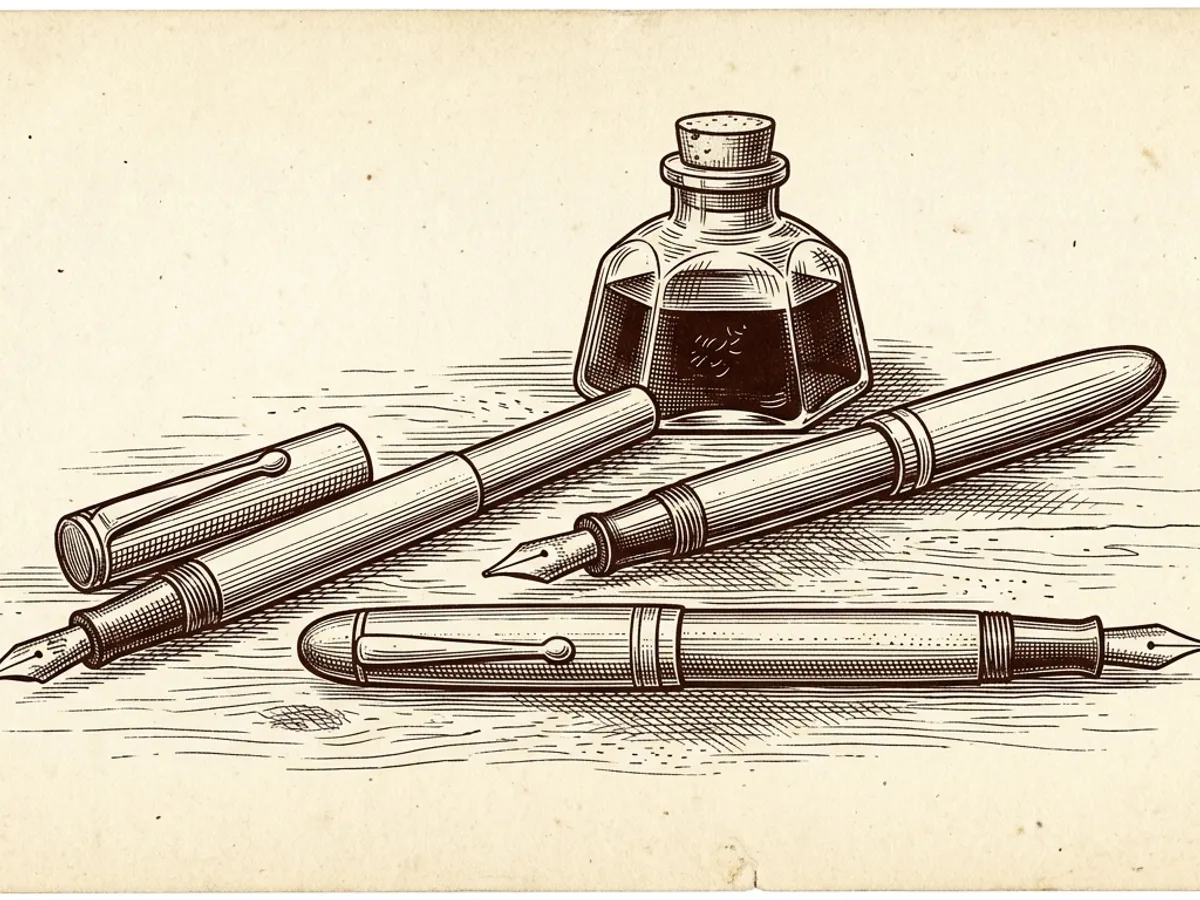
You don’t need to spend much to get a dependable first pen.
Lamy Safari — One of the most-recommended beginner pens worldwide. The triangular grip section naturally guides your fingers toward a consistent hold, and Lamy’s interchangeable steel nibs let you switch sizes as you develop a preference. It accepts the Lamy T10 cartridge or the Lamy Z27 piston converter. Available in a wide range of colors; the matte black and vibrant seasonal editions are perennial favorites. Read the full breakdown in our Lamy Safari review.
Pilot Metropolitan — A metal-bodied pen with a smooth, consistent nib that performs well above its price. It ships with a squeeze converter included, so you can use bottled ink right away. Pilot nibs run finer than Western equivalents at the same label, so the medium nib here writes more like a European fine. Uses Pilot’s proprietary cartridges and converters.
TWSBI Eco — A demonstrator (transparent-bodied) piston-filler, meaning you fill it directly from an ink bottle rather than using a separate cartridge or converter. It holds a generous ink volume, and the piston mechanism is satisfying to use. A good choice if you already know you want to explore bottled inks rather than cartridges.
For a more detailed side-by-side of these and other entry-level options, see our best beginner fountain pens guide.
Writing Angle and Grip
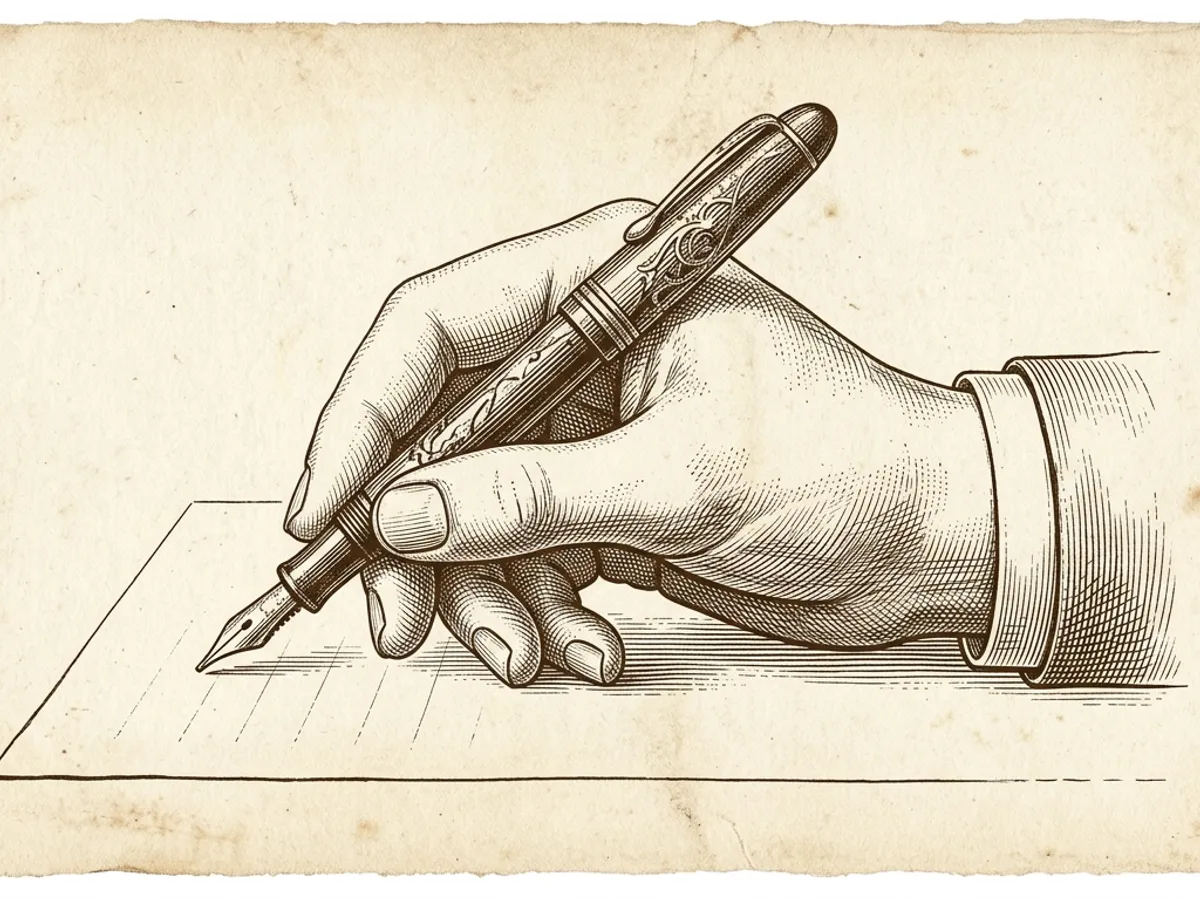
Hold the pen so the nib faces up — the flat writing surface toward you, not the paper — at roughly 40 to 55 degrees to the page. This is similar to how you would hold a fine ballpoint in terms of angle, but the grip pressure is very different.
Use no downward pressure. The nib’s own weight is sufficient to maintain contact with the paper. Pressing down pinches the tines together, disrupts ink flow, and over time wears the nib. If your pen skips or flows inconsistently, the answer is almost always to relax your grip, not to press harder.
Grip the pen lightly between your thumb and index finger, letting the barrel rest against your middle finger. If your hand cramps or the ink stops after a few minutes, you are gripping too tightly. Put the pen down, shake out your hand, and restart with a deliberately lighter touch. This adjustment typically becomes automatic within a day or two.
Caring for Your First Pen
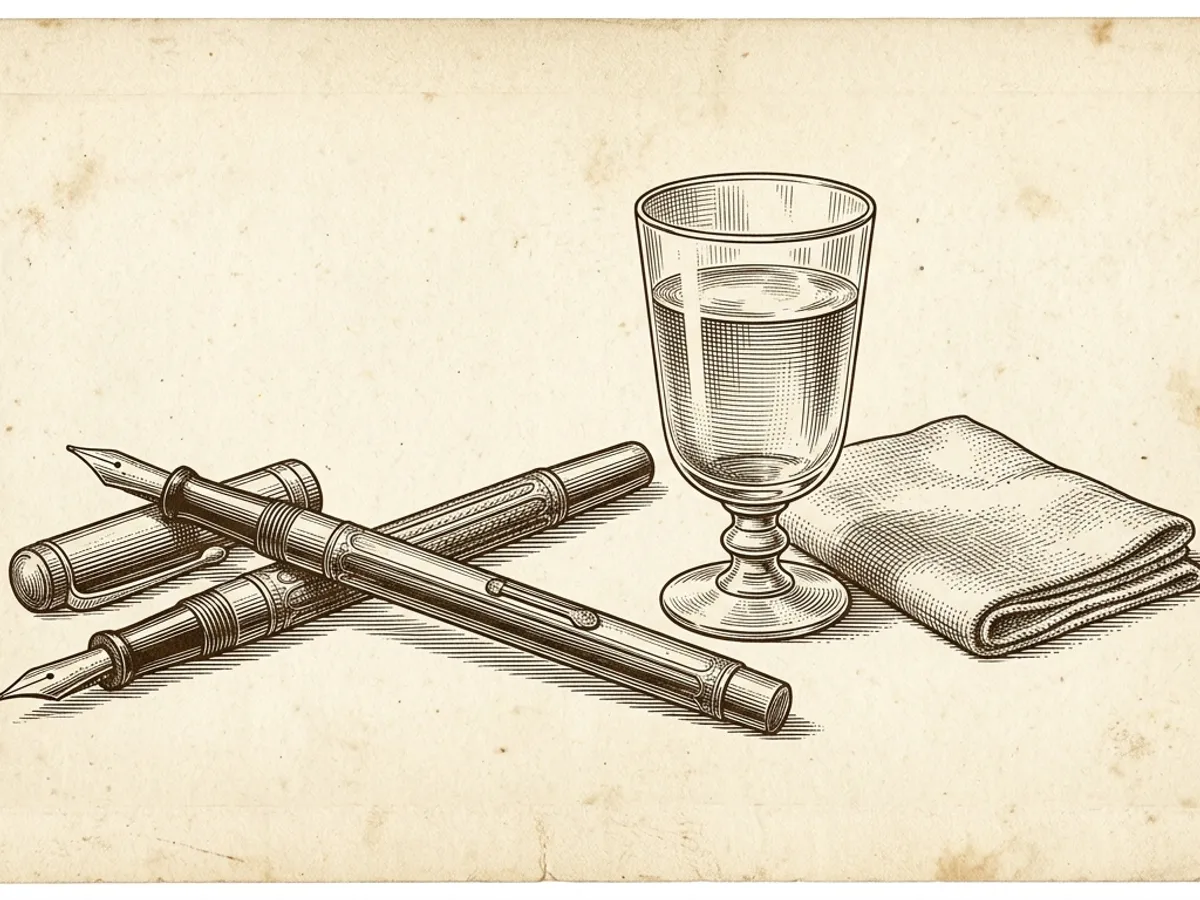
Fountain pens are low-maintenance as long as you follow a few simple habits.
Flush the pen with cool water when changing inks, and at least every four to six weeks even if you are using the same ink. Dried ink in the feed causes hard starts and skipping. Remove the cartridge or converter, run cool water through the nib section, and repeat until the water runs clear. Avoid hot water; it can warp the feed or the barrel material in some pens.
Keep the cap on. The cap seal prevents the ink at the nib from drying out during normal gaps in writing. A properly capped pen can sit unused for days without issue. An uncapped pen left on a desk will dry out at the nib within a few hours, especially in a dry or warm environment.
Store the pen horizontally or nib-up when it is not in regular use. Storing nib-down for extended periods can cause ink to pool at the tip, dry, and partially obstruct the tine slit.
If your pen skips, writes dry, or won’t start after sitting unused for several weeks, it most likely has dried ink in the feed. Hold the nib and section under cool running water for two to three minutes. Most cases resolve quickly with a thorough flush — no tools required.