
This site is reader-supported. As an Amazon Associate we earn from qualifying purchases. When you buy through links on this page, we may receive an affiliate commission at no additional cost to you. Our editorial picks are independent of commercial relationships.
What Is a Fountain Pen Ink Cartridge?
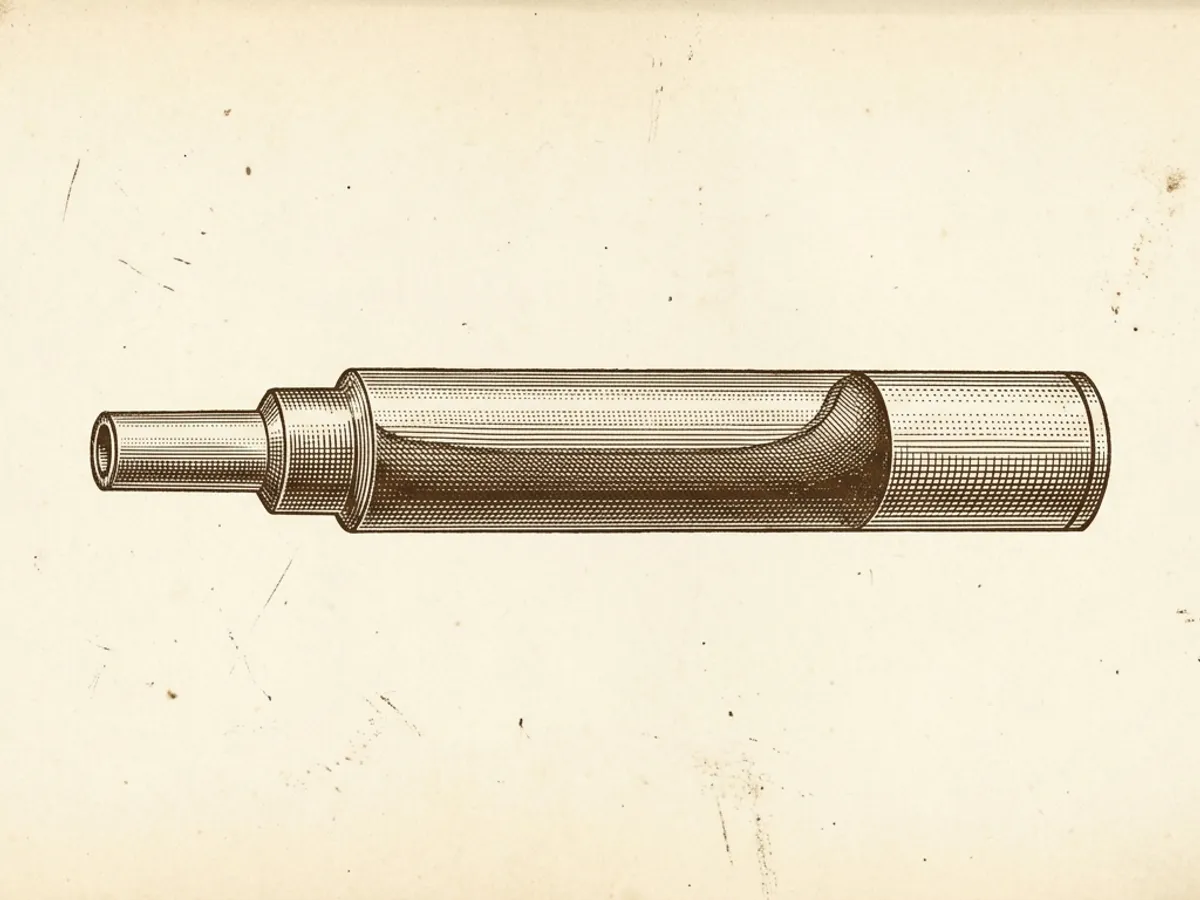
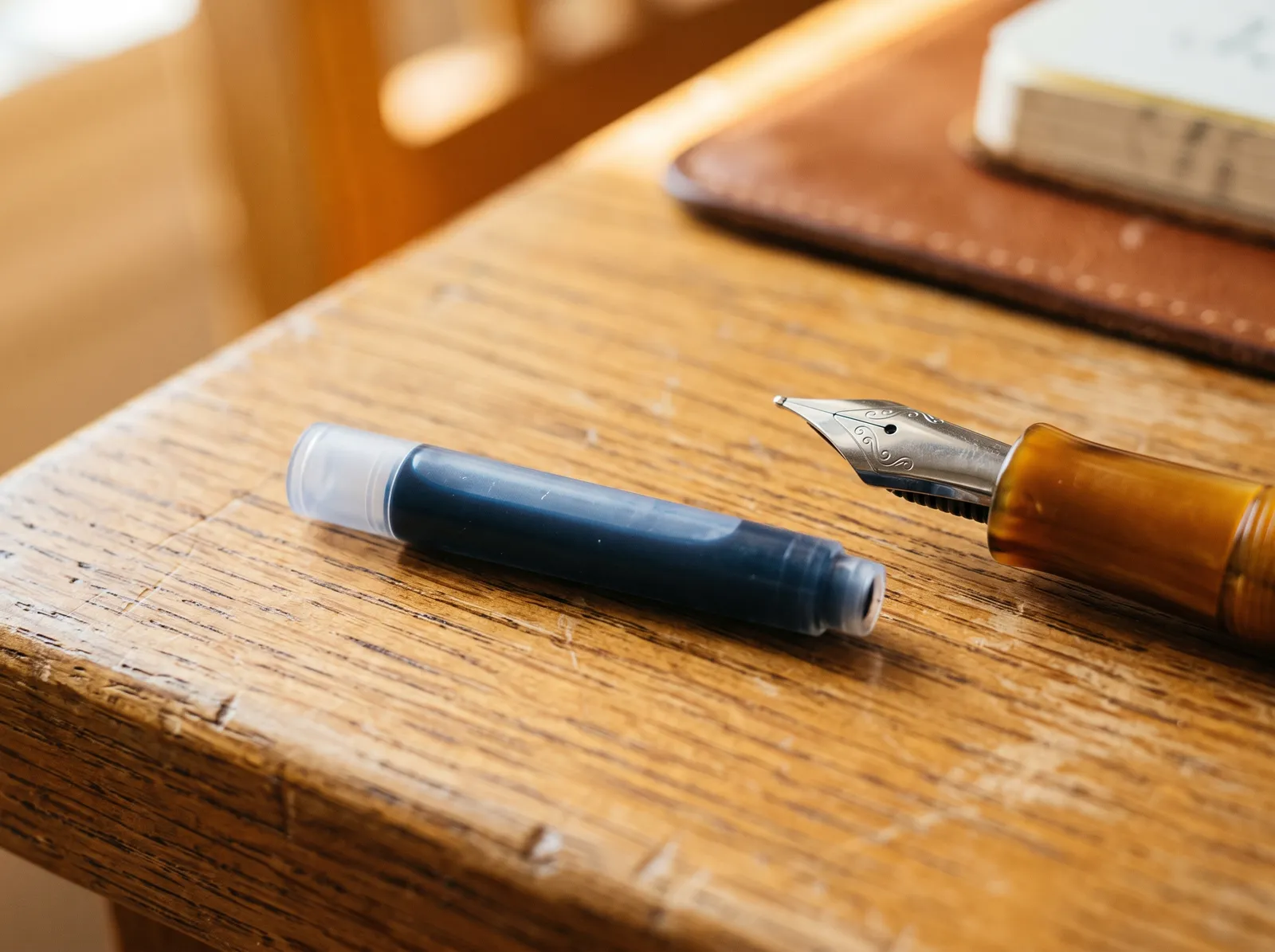
A fountain pen ink cartridge is a small, sealed plastic reservoir pre-filled with liquid ink. It slots directly into the grip section of a compatible fountain pen, where a pin or sharp edge punctures its seal on insertion, letting ink flow through the feed and onto the nib.
Cartridges make fountain pen ownership straightforward. You press one in, wait a moment for the ink to reach the nib, and start writing. No bottles, no syringes, no flushing between fills — just pull out an empty cartridge and push in a fresh one.
Most cartridges hold between 0.8 ml and 1.1 ml of ink, enough for several hours of continuous writing. They’re small enough to carry spares in a jacket pocket or pencil case, which makes them a natural choice for everyday carry, travel, or students who need a reliable tool in a bag.
The main trade-off is flexibility: you’re limited to the ink colors your brand makes in cartridge form, and the cost per milliliter is typically higher than buying bottled ink. But for writers who value simplicity over ink variety, cartridges are hard to beat.
The Two Cartridge Systems: Standard International vs. Proprietary
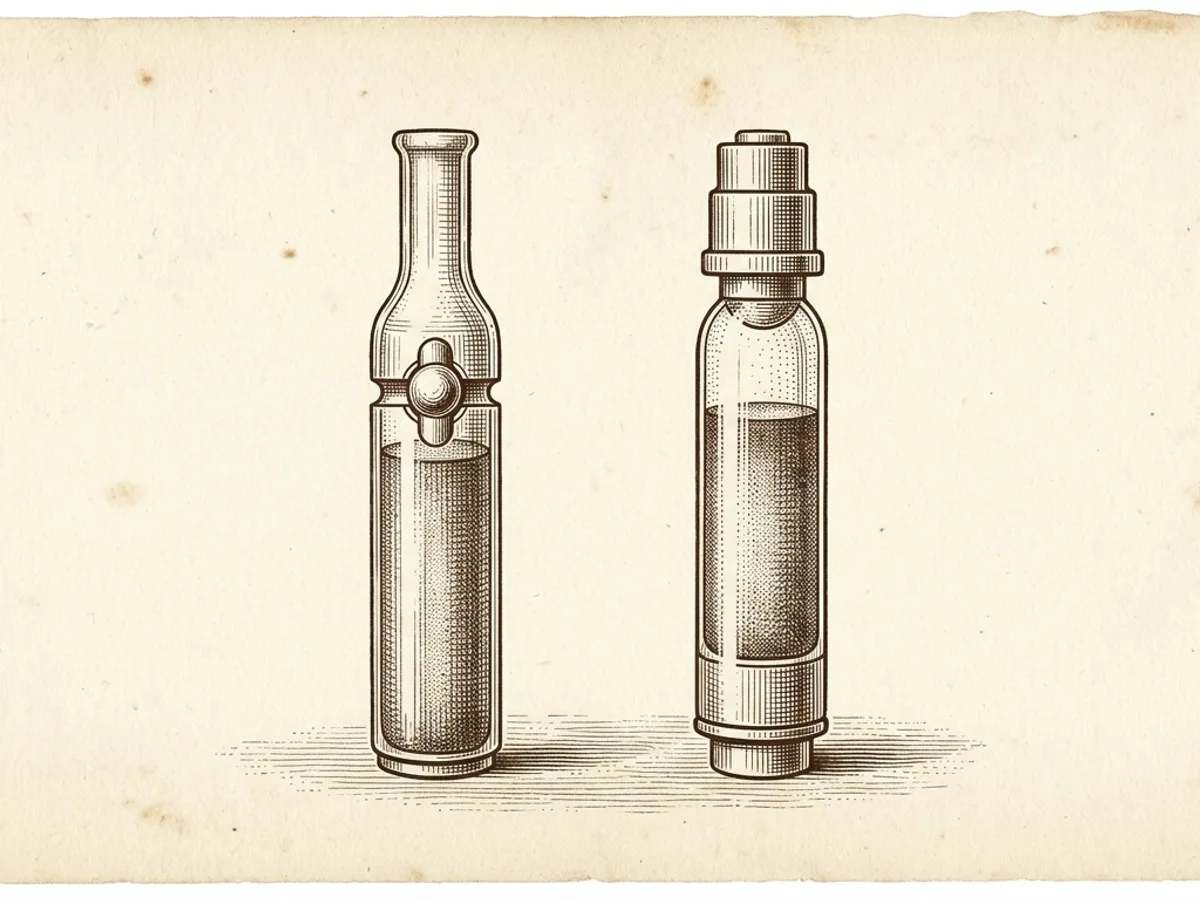
The single most important thing to understand about fountain pen cartridges is that they are not universal. Two pens from different manufacturers may look similar and cost the same, but their cartridges will not be interchangeable.
The pen market divides into two camps:
Standard International (SI): This is an open format used by a wide range of mostly European brands. SI cartridges have a distinctive elongated body. Any brand’s SI cartridge will physically fit any SI-compatible pen — a Diamine cartridge drops right into a Kaweco Sport or a Faber-Castell pen without any adapters.
Proprietary systems: These are brand-specific formats that only work with the manufacturer’s own pens:
- Lamy T10: Used in the Lamy Safari, AL-Star, Studio, CP1, Vista, and most of their pen lineup. Lamy cartridges are narrow cylinders with a distinctive profile. They do not fit any pen outside the Lamy ecosystem.
- Pilot cartridges: Used across Pilot’s entire cartridge-compatible range — the Metropolitan, Kakuno, Custom 74, and more. Pilot’s format is not interchangeable with any other brand.
- Platinum cartridges: Fit Platinum pens including the Preppy, Plaisir, and Procyon. Platinum’s format is their own.
- Parker Quink: Parker pens use a Parker-specific short or long cartridge.
- Sheaffer Skrip: Sheaffer pens use their own format.
Why This Matters
Buying the wrong cartridge is a common beginner mistake. A Pilot cartridge looks similar to a standard international cartridge at a glance, but it won’t fit a Kaweco or Lamy pen. Before ordering cartridges online, confirm your pen’s format. The pen’s packaging will note the compatible cartridge type; when in doubt, check the manufacturer’s website.
Which Pens Use Standard International Cartridges?
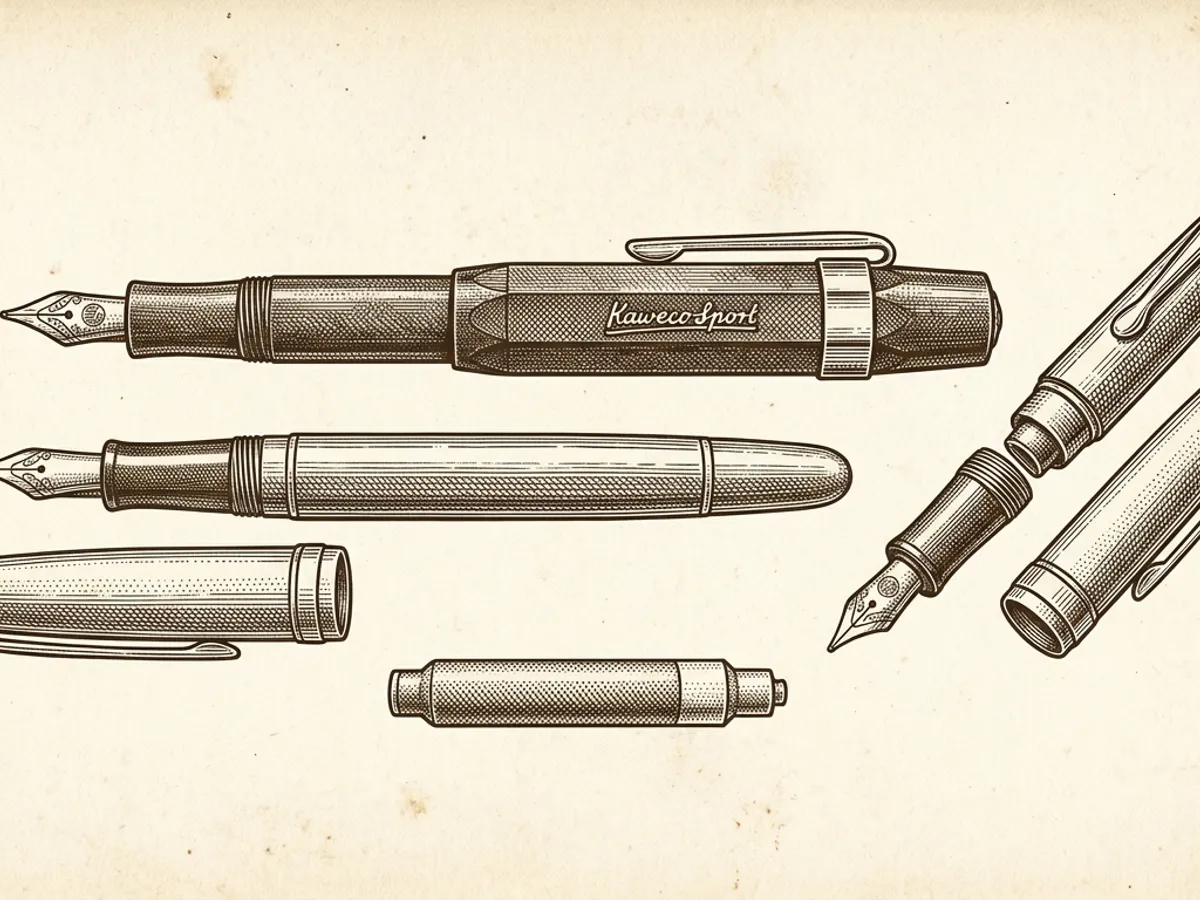
Standard international cartridges offer the widest ink variety, since dozens of brands produce SI-format cartridges across a broad spectrum of colors.
Brands that use the SI format include:
- Kaweco — the Sport, Perkeo, Student, Liliput, AL Sport, and Brass Sport all take SI cartridges
- Faber-Castell — the Grip Pen, Design Ambition, and Essentio series
- Caran d’Ache — the 849 and other cartridge-compatible models
- Monteverde — most of their pen lineup
- Pelikan — select models like the Twist and Pelikano (note: Pelikan’s classic M-series piston-filler pens do not use cartridges at all)
- Waterman — their cartridge-compatible models accept SI cartridges
Note that Lamy uses its own T10 standard, not SI — this is one of the most common points of confusion for new buyers.
SI cartridges come in two lengths: the short international (roughly 38 mm) and the long international (roughly 68 mm). Most SI pens accept either length; the long version simply holds more ink. Check your pen’s documentation if you’re unsure.
With an SI-format pen, you can mix and match cartridges from Diamine, Waterman, Caran d’Ache, Pelikan, and many others, giving you easy access to a wide color palette without committing to bottled ink.
Which Pens Use Proprietary Cartridges?
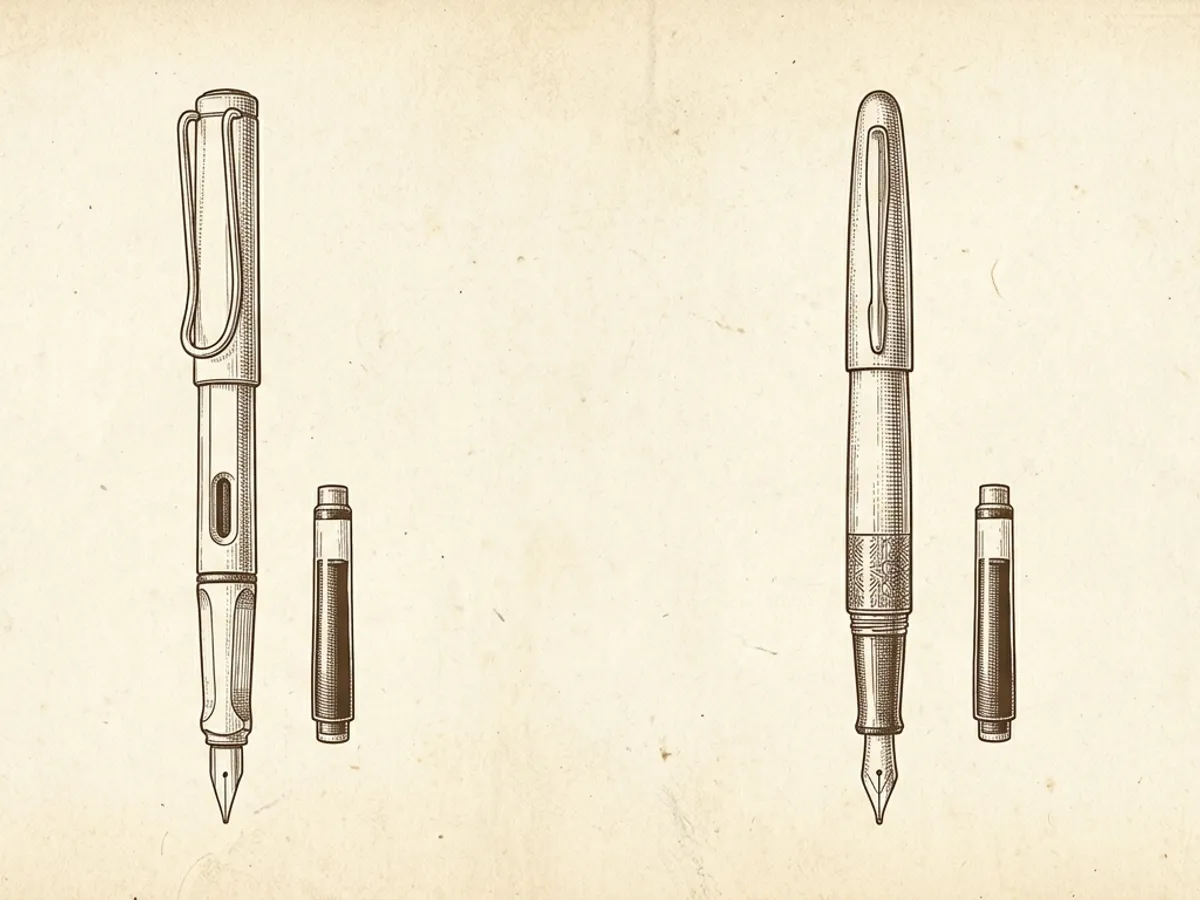
Proprietary cartridge pens tie you to a single brand’s ink selection in cartridge form, but that brand’s selection is often extensive and easy to find at major retailers.
Pilot Pens
Pilot’s proprietary cartridges come in classic colors — black, blue-black, royal blue, red, and others. They fit every cartridge-compatible Pilot fountain pen: the Metropolitan, Kakuno, Prera, and Custom series.
Pilot also makes refillable ink converters (including the CON-40 converter and the CON-70 piston converter) that replace the cartridge slot and allow filling from any bottle. If you want to branch into Pilot’s Iroshizuku bottled inks or other specialty inks while keeping a Pilot pen, the converter is the path there.
Lamy Pens
Lamy’s T10 cartridges are sold in a useful range including black, blue, blue-black, red, and turquoise. Lamy cartridges are widely stocked at office supply stores and stationery shops in the US, UK, and Europe, making them easy to find in a pinch.
Lamy also makes a converter (the Z28) that fits the Safari, AL-Star, Studio, and most other mainstream Lamy pens, allowing bottled ink use.
Platinum Pens
Platinum’s cartridges fit Platinum pen models and come in a modest color range. Platinum is well-regarded for its ink seal technology — their pens tend to resist drying out better than average during storage, which matters if you put a pen down for weeks at a time.
How to Insert a Fountain Pen Cartridge
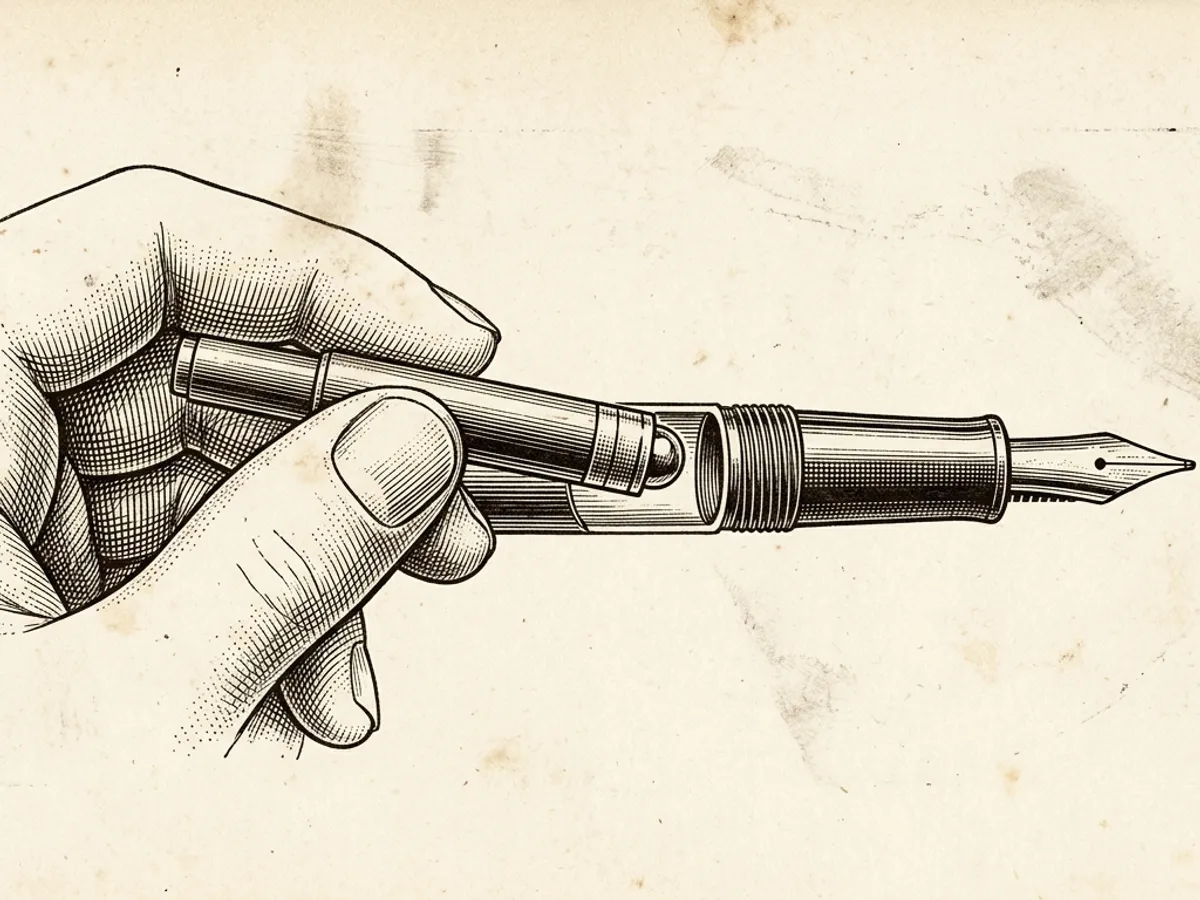
Inserting a cartridge is simple once you’ve done it once:
-
Unscrew or separate the pen. Twist the barrel away from the grip section. On most screw-cap pens the barrel unscrews counterclockwise; on slip-cap designs it pulls straight off.
-
Orient the cartridge correctly. Hold the cartridge with its narrow, sealed tip pointing toward the grip section opening. The narrow end is the end that gets punctured — never the wide end.
-
Push firmly until the seal breaks. Insert the narrow end into the grip section and apply steady pressure until you feel the cartridge seat with a small pop or click. This puncture is essential; the ink cannot flow until the seal is pierced. Gentle pressure is not sufficient — it needs a definite push.
-
Reassemble the pen. Screw or snap the barrel back onto the grip section.
-
Prime the nib. Hold the pen nib-down and allow gravity to pull ink toward the feed for 30 to 60 seconds. If the cartridge body is soft, a very gentle squeeze will help; a hard squeeze risks flooding the nib and creating a blot on first contact with paper.
-
Test on scrap paper. Write a circle or a few strokes on scratch paper. Ink flow should establish within the first stroke or two. If it doesn’t appear after a minute, check that the cartridge is fully seated — it’s easy to leave it partially inserted on the first attempt.
If you’re loading a cartridge into a pen that sat unused for an extended period, the feed channel may have dried residue from the previous ink. A quick rinse under cool water for 30 seconds before inserting the new cartridge will help clear it.
Cartridges vs. Converters: What’s the Difference?
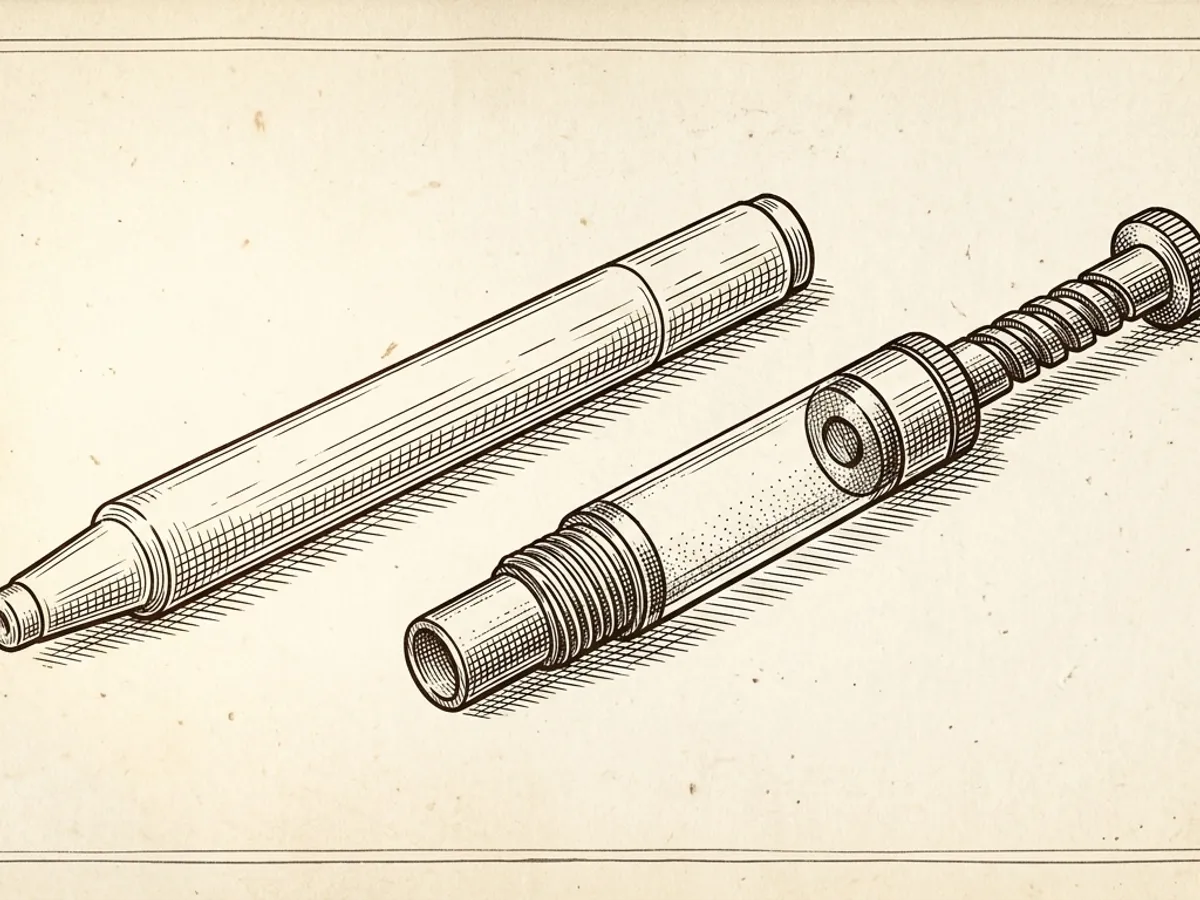
A converter is a refillable, reusable reservoir that replaces a cartridge in pens that support both formats. Most pens that accept proprietary cartridges also accept the manufacturer’s matching converter.
Converters typically work via a piston mechanism: you submerge the nib in bottled ink, twist or squeeze the piston, and draw ink up directly into the reservoir. This opens up the full range of bottled fountain pen inks rather than the limited selection available in cartridge form.
The practical comparison:
| Cartridge | Converter | |
|---|---|---|
| Setup time | Snap in, start writing | Fill from bottle, wipe nib, cap bottle |
| Ink selection | Brand-specific colors | Any compatible bottled ink |
| Cost per ml | Higher | Lower |
| Travel | Carry spares anywhere | Bottle required to refill |
| Mess risk | Very low | Low to moderate |
| Waste | Plastic cartridge per fill | Reusable indefinitely |
For a complete walkthrough of filling a pen from a bottle, see our guide on how to fill a fountain pen with ink.
If you’re starting out and want to keep things simple, cartridges are the practical first choice. Once you develop a preference for specific ink shades, shimmer inks, or iron gall formulas — none of which come in cartridge form — the converter becomes the natural upgrade.
Cartridge vs. Bottled Ink: Pros and Cons
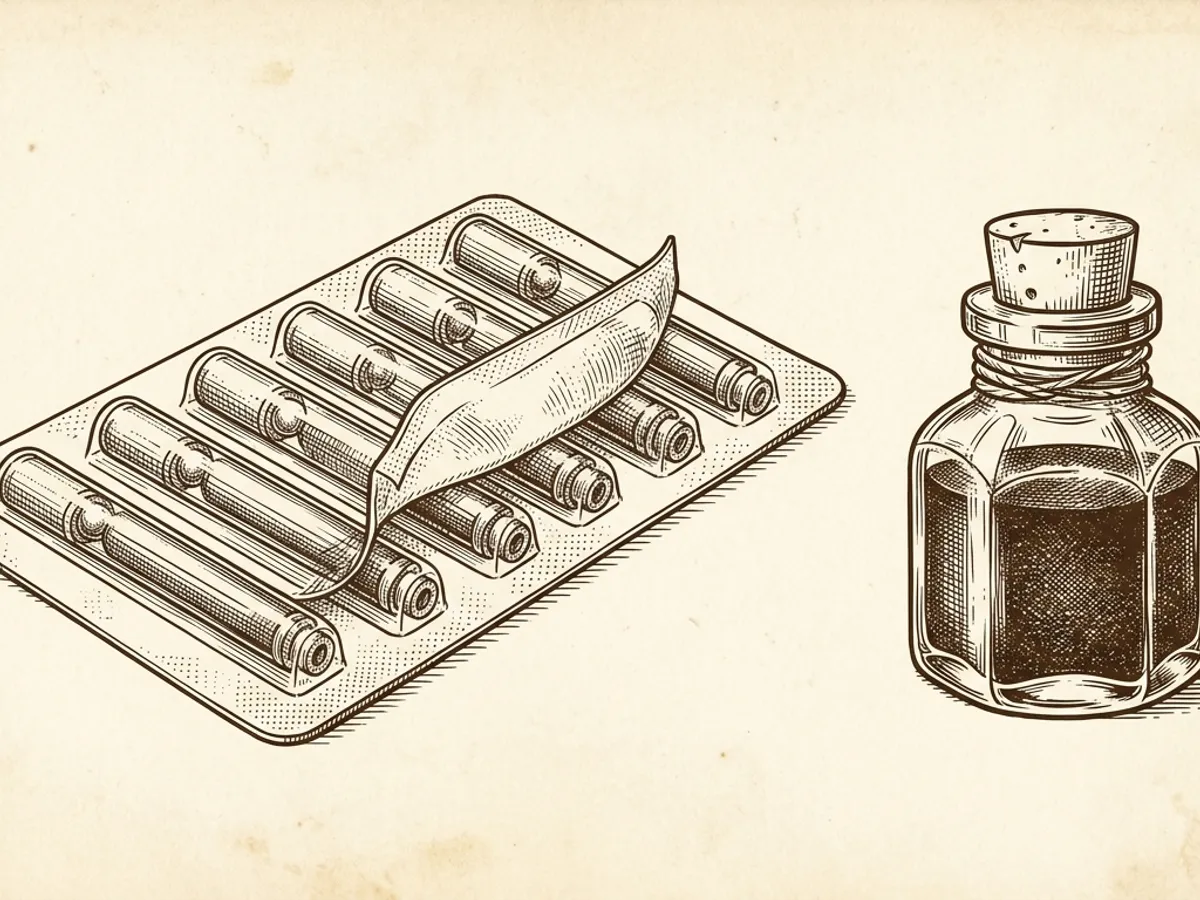
When Cartridges Win
Cartridges make sense when convenience is the priority. They’re sealed and travel-ready — carry a handful of spares with no leakage concern, swap colors in under a minute, and drop the empty in the bin with no cleanup. Lamy, Pilot, and Platinum cartridges are stocked at many brick-and-mortar office supply stores, so emergency replacements are straightforward in most cities.
For students who use a fountain pen for note-taking but don’t want to carry a bottle, or for anyone writing in multiple colors during a workday, cartridges solve a real problem.
When Bottled Ink Wins
Bottled ink wins on selection and cost. The cartridge format for any given brand offers perhaps 10 to 20 colors. Bottled ink opens up thousands of options across brands like Diamine, Pilot Iroshizuku, Sailor, Pilot, and many others — including shimmering inks, iron gall formulas, and colors unavailable in cartridge form.
For daily writers who go through ink quickly, bottled ink also reduces cost per milliliter significantly compared to cartridges.
Perhaps most importantly: plastic waste. Cartridge users generate one plastic cartridge per fill cycle. Bottled ink with a converter produces almost no waste beyond the eventual empty glass bottle.
Our Top Pen Picks for Cartridge Users
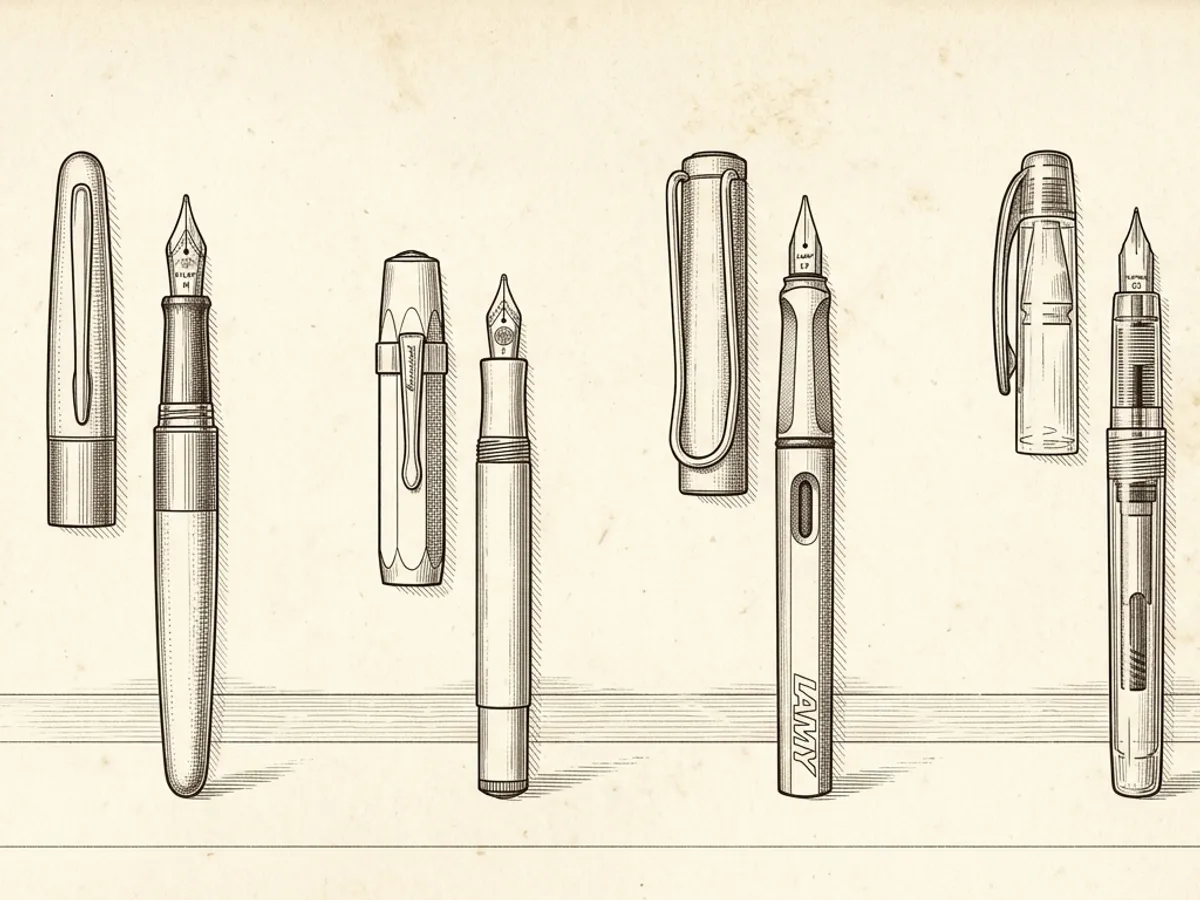
Based on a structured review of manufacturer specifications and the body of owner feedback across major retailers, these four pens represent the strongest starting points for cartridge-first writers.
Best Overall: Pilot Metropolitan
The Pilot Metropolitan fountain pen remains one of the most recommended entry-level fountain pens available. Its brass barrel gives it a solid, professional weight, the medium and fine nibs write reliably out of the box, and Pilot’s proprietary cartridges are broadly available. Owner reviews consistently describe the Metropolitan’s ink delivery as smooth and forgiving — a combination of traits that’s made it a bestseller in the category for years. See our full Pilot Metropolitan review for a detailed look.
Best for Ink Variety: Kaweco Classic Sport
The Kaweco Sport fountain pen uses standard international cartridges, giving access to the widest possible range of cartridge inks. Its compact pocket-size design — roughly the length of a golf pencil when capped — makes it easy to carry anywhere. The same grip section also accepts an SI converter, so it’s easy to upgrade to bottled ink later without buying a new pen. The Sport is Kaweco’s most popular model and one of the most durable designs in its price class.
Best for Beginners in Europe: Lamy Safari
The Lamy Safari fountain pen is the standard recommended starter pen in many European markets. Its triangular grip helps guide correct pen hold, T10 cartridges are available in a good range of colors, and the Safari is built to withstand years of daily use. The nib is replaceable, and the pen accepts the Z28 converter for bottled ink use. For a full overview, see our Lamy Safari review.
Best Budget Option: Platinum Preppy
The Platinum Preppy fountain pen costs under $10 and writes with a consistency that surprises most first-time users at that price point. Its translucent barrel lets you see the remaining ink level without unscrewing anything. Platinum’s cartridges seal particularly well during storage, which is worth noting if you pick up a pen, use it occasionally, and set it back down for a week or two. The Preppy is available in extra-fine, fine, and medium nib sizes.