
This site is reader-supported. As an Amazon Associate we earn from qualifying purchases. When you buy through links on this page, we may receive an affiliate commission at no additional cost to you. Our editorial picks are independent of commercial relationships.
Why Fountain Pen Nibs Need Cleaning
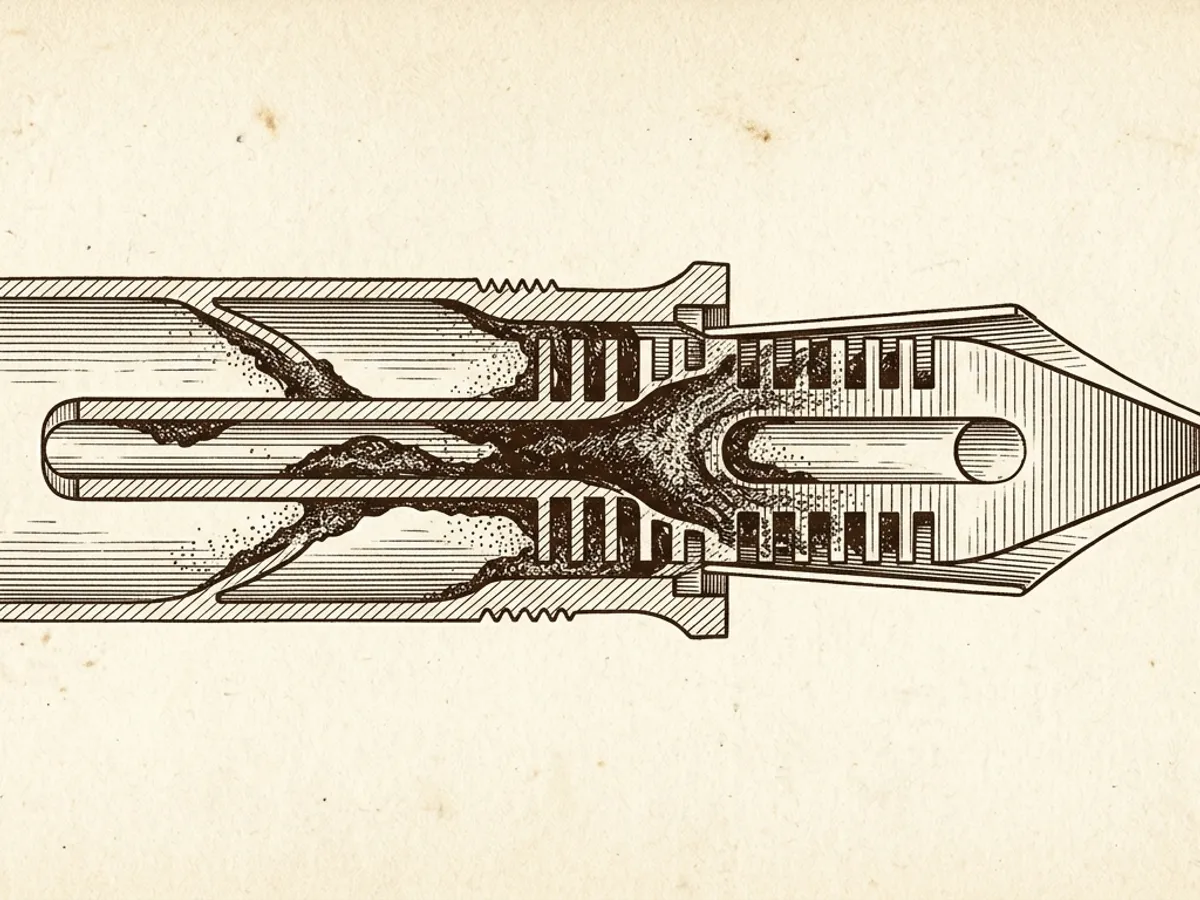
Fountain pen nibs and feeds work by capillary action — ink travels through tiny channels from the reservoir to the writing tip. Those channels are fine enough that dried ink, particulate from iron-gall formulations, or residue from switching ink colors can partially block them within weeks, even within days in a particularly dry environment.
The symptoms of a dirty feed are recognizable: a pen that hesitates after sitting capped for an hour, a nib that was smooth when new but now feels rough against the paper, or ink flow that starts wet and thins out mid-stroke. In most cases the cause is not a damaged nib — it is a feed channel that needs flushing.
A cleaning routine also protects the pen’s materials over time. Some inks, particularly iron-gall formulations (mildly acidic by nature) and permanently staining pigment-based inks, can damage certain metals and rubber sac materials if left in contact for extended periods without a flush. A pen used with standard dye-based inks and cleaned every few weeks is a very different maintenance proposition from one left loaded with iron-gall ink for months at a time.
The good news: for most pens, most inks, and most writing habits, cleaning a fountain pen nib takes five minutes and requires nothing except tap water.
The Basic Flush: Plain Water First
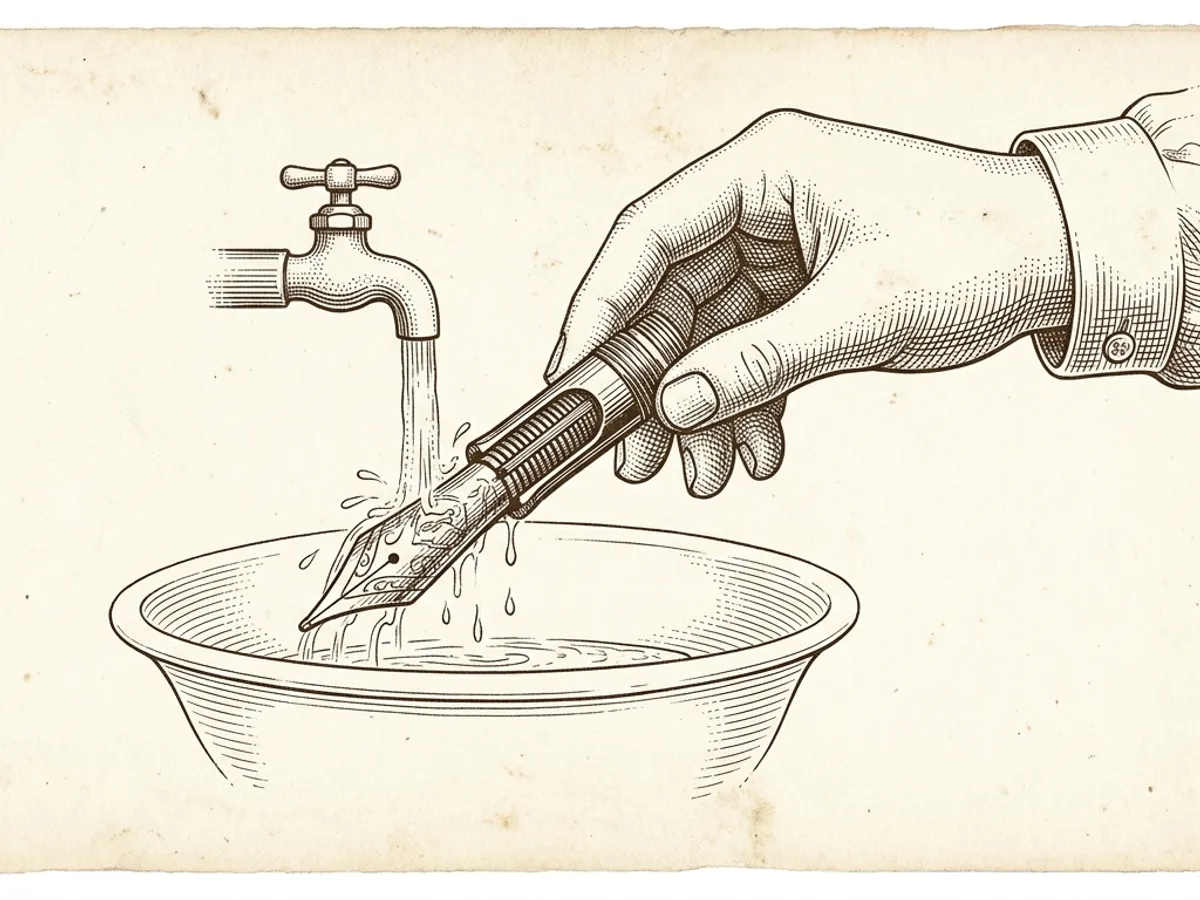
Plain water — room temperature to slightly warm — resolves the majority of fountain pen cleaning needs. Hot water is not necessary and should be avoided; the risk of softening section adhesives or sac materials does not justify the marginal extra cleaning benefit.
For cartridge and converter pens: Remove the cartridge or converter. Insert a blunt syringe or a fresh empty converter, draw in room-temperature water, and expel it over a sink. Repeat — draw, expel — until the water runs clear. On most pens with standard dye-based inks, two to four cycles clear the feed completely.
For piston fillers: Fill the reservoir with clean water, expel it, and repeat. The piston mechanism does the flushing work — no additional tools are needed.
For eyedropper-converted pens: Empty the barrel, rinse it under running water, then flush the nib section the same way you would a converter pen.
Between each draw, check the expelled water against a light source. Light tinting after the first flush is normal. By the third or fourth flush, most dye-based inks are essentially gone from the feed. Heavily saturated inks — dark blue-blacks, some saturated greens — may need a couple of extra passes.
If the water still shows visible color after six to eight complete flush cycles, the feed material has absorbed some dye. This is a cosmetic issue rather than a functional one — the pen still flows correctly. If you are switching to a dramatically lighter ink color, a dedicated flush solution is the practical next step.
Dedicated Pen Flush Solutions
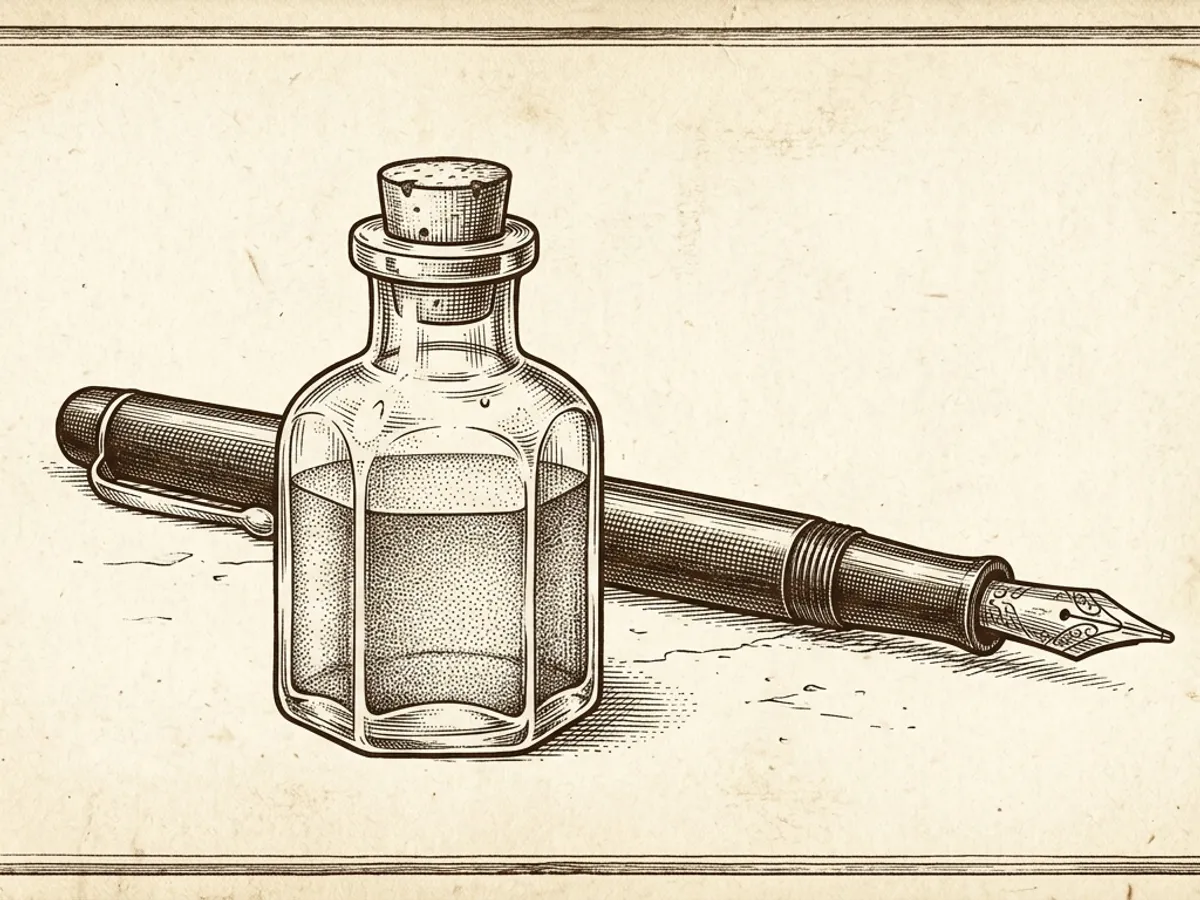
Pen flush solutions are diluted cleaning agents — most containing a small amount of ammonia, a surfactant, or a mild detergent — that dissolve dried ink residue more effectively than water alone. They are most useful for:
- Inks left sitting in a pen for more than a month without use
- Permanently staining inks, including iron-gall and pigment-based carbon formulations
- Heavily saturated inks that have built up color in a light-colored feed or converter
- Pens that were stored with ink loaded and have partially or fully dried out
Noodler’s Pen Flush is the flush solution most consistently recommended across fountain pen communities. It is an ammonia-based formulation sold specifically for fountain pen use, safe for gold and steel nibs, modern resin bodies, and most celluloid materials. The standard approach is to draw it undiluted through the feed, let it soak for 20 to 30 minutes if significant dried ink is present, then expel and follow with several clean water flushes.
A caution worth noting: ammonia-based solutions are not appropriate for prolonged contact with certain older pen materials, including some hard rubber (ebonite) barrels and vintage celluloid formulations. For vintage pens or any pen with materials you are uncertain about, plain water soaking is the conservative first step. If soaking alone does not resolve the blockage, a specialty pen restorer is the right resource.
Cleaning Tools Worth Having
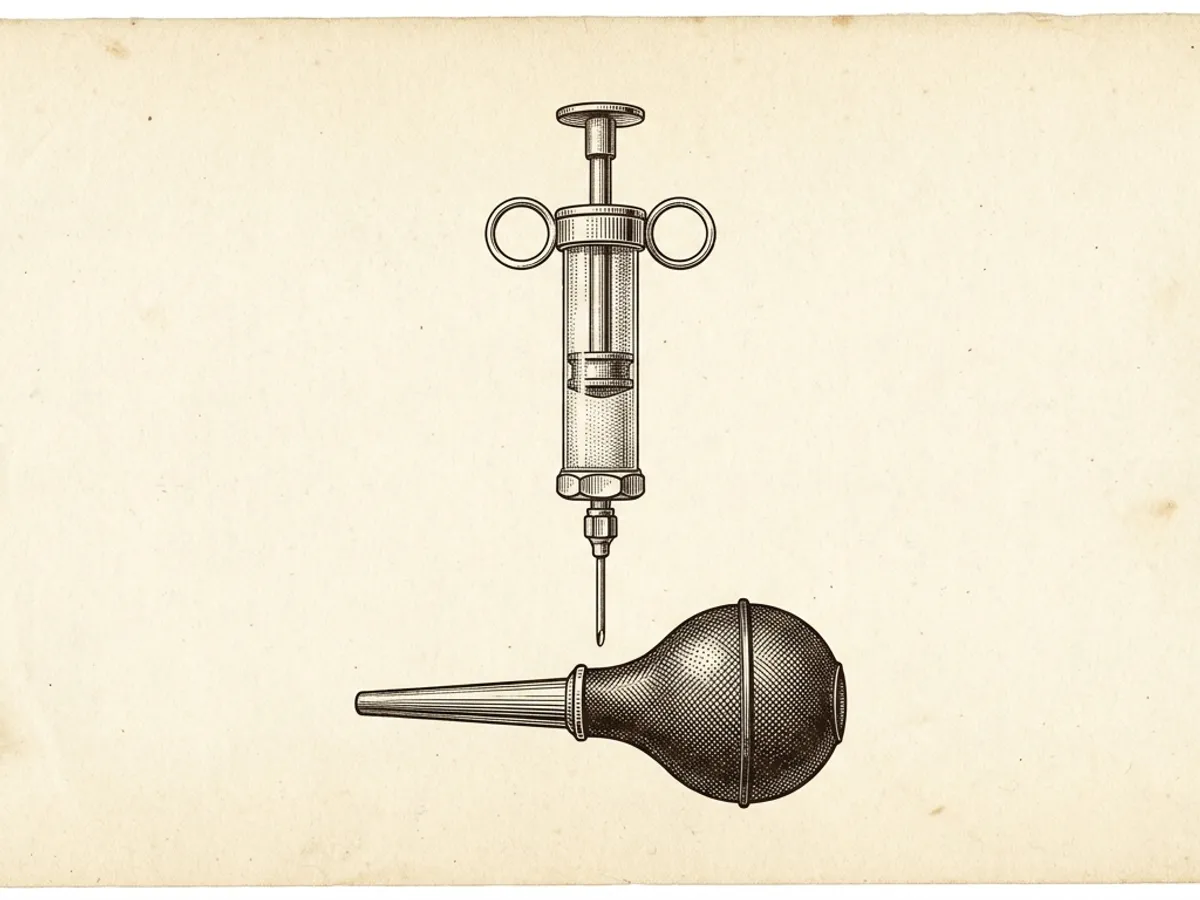
The right tools make the process faster, more thorough, and more consistent across different pen types and filling systems.
A blunt-tip syringe. A one- to three-milliliter syringe with a blunt, flexible tip is the single most useful cleaning tool for a fountain pen. It allows you to inject water or flush solution directly into the feed from the nib end, pushing dried ink back out through the ink channel rather than forcing it deeper. Blunt syringes are inexpensive and widely available at pharmacy retailers and through online medical or craft supply sources.
A bulb syringe. A small rubber bulb syringe — sold commonly as an ear-cleaning or darkroom tool — works well for converter-equipped pens. Draw water into the bulb, seat it over the open end of the section, and squeeze. The surge of water through the feed dislodges loosened ink particulate effectively without requiring pen disassembly.
A soft cloth or lint-free paper towel. After any cleaning session, wipe the nib and section dry before reassembling or loading fresh ink. Residual water in the feed will dilute the first few strokes of a new ink load, and in dry environments can create unexpected capillary behavior in the channels.
For heavy-duty maintenance, an ultrasonic cleaner is an additional option. Pen-specific models use high-frequency vibration in a water bath to dislodge particulate from fine channels — they perform a thorough job on feeds fouled with accumulated pigmented ink. They are not required for routine cleaning but are worth considering for a pen that has been neglected for a long time.
How to Deep Clean a Stuck or Dried Nib
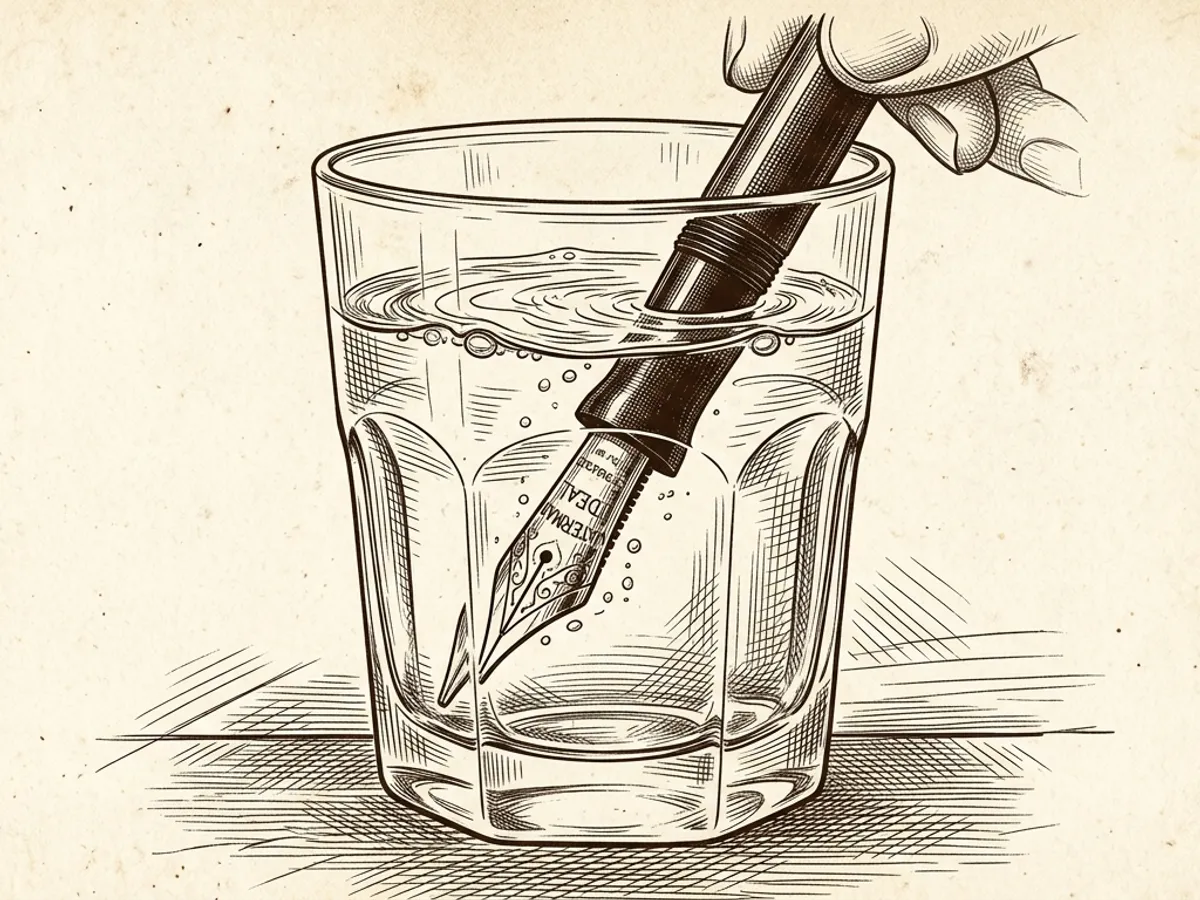
A pen that has dried completely — left uncapped for an extended period, or stored for months with ink still loaded — requires a longer soak rather than a quick flush cycle.
Fill a small glass or cup with room-temperature water and submerge the nib and section only, keeping the barrel out of the water where possible. Let it soak for 30 minutes, then attempt to draw water through the feed using a blunt syringe. If significant resistance remains, continue soaking. Most dried inks dissolve and loosen within one to four hours in a plain water bath.
For pens that were left with an iron-gall or pigment-based ink and have become heavily blocked, replace the initial water after the first 30 minutes with a dilute pen flush solution and continue soaking for another 30 to 60 minutes. Starting the process with flush solution rather than water is less effective: the initial water stage removes the bulk of the softened ink first, leaving the flush stage to address the remaining residue.
There are failure modes that cleaning cannot address. A nib that remains rough after a thorough clean has a tine alignment issue, not a blockage. A pen that delivers smooth flow when water is flushed through but refuses to deliver ink when loaded likely has a cracked or fractured feed. A tine that was sprung by being dropped will scratch regardless of how clean the nib surface is. These conditions require mechanical attention from a nib specialist, not more cleaning time. For a refresher on nib anatomy — tines, tipping, and how they interact with the feed — see Fountain Pen Nibs Explained.
Cleaning by Filling System
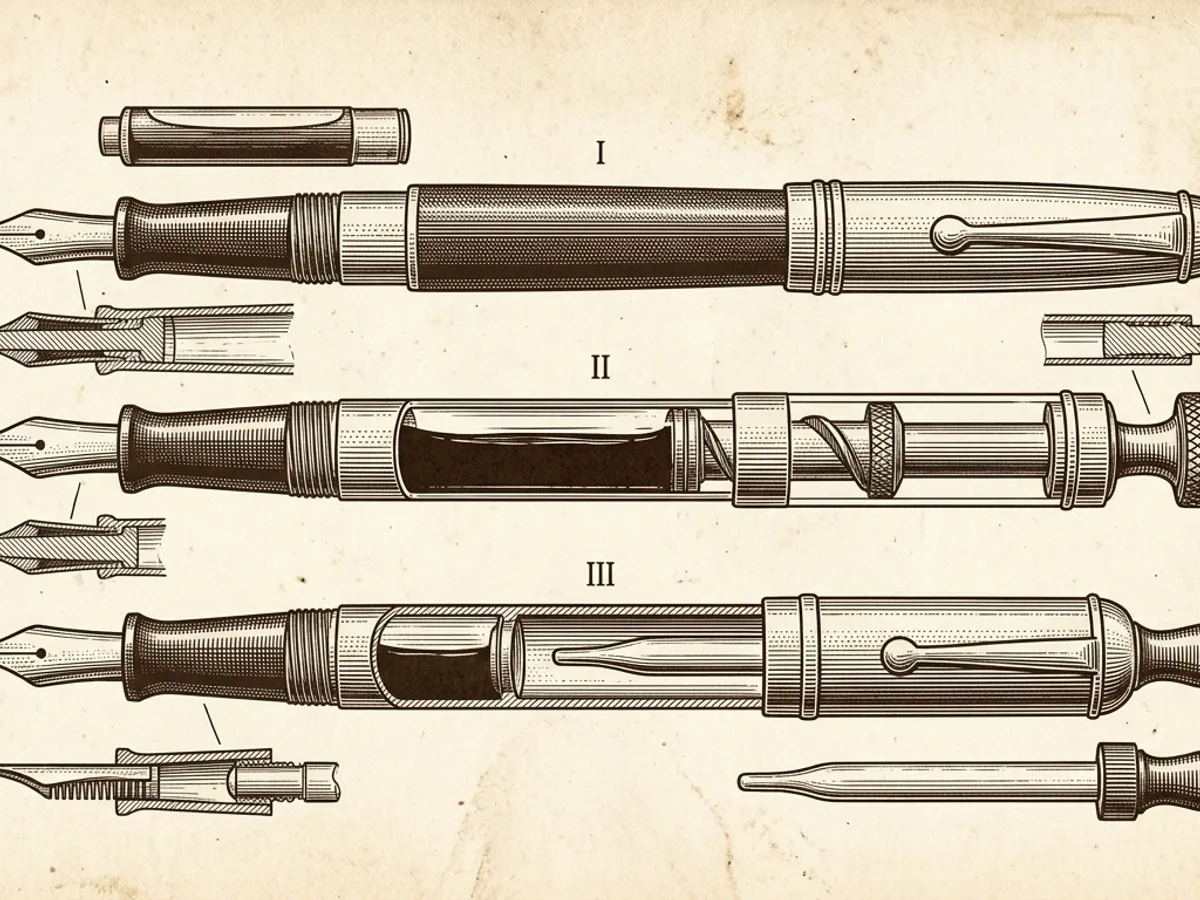
The mechanics of cleaning differ based on how the pen fills.
Cartridge and converter pens are the most straightforward category. Remove the cartridge or converter, use a syringe or bulb to push water through the feed, and expel. This covers a wide range of popular pens — including the Lamy Safari, the Pilot Metropolitan, and the entire Kaweco Sport line — and the cleaning process is the same across all of them. What is not interchangeable is the cartridge itself. Lamy pens use the proprietary T10 cartridge. Pilot pens use Pilot’s own proprietary short cartridge. The Kaweco Sport uses the standard international cartridge size, compatible with a wide range of third-party ink brands. Never mix cartridge types across these brands.
Piston fillers clean by filling the reservoir with water and expelling it repeatedly, using the pen’s own filling mechanism as the cleaning tool. The TWSBI ECO Fountain Pen is particularly well-regarded in cleaning discussions because it ships with a disassembly wrench and silicone grease. The piston, ink chamber, and nib unit all separate for individual component soaking — a level of access that allows thorough cleaning without any guesswork. For writers who switch inks frequently, this cleanability is a genuine functional advantage.
Eyedropper-converted pens clean in two stages: first rinse the barrel under running water, then flush the nib section the same way you would a converter pen.
Vacuum and plunger fillers operate on the same principle as piston fillers. The internal mechanism draws clean water in and expels it; refer to the manufacturer’s guidance for any disassembly the specific design allows.
If you are unsure which filling system your pen uses, our guide on How to Fill a Fountain Pen With Ink walks through identifying and operating each one.
Pens That Are Easy to Clean
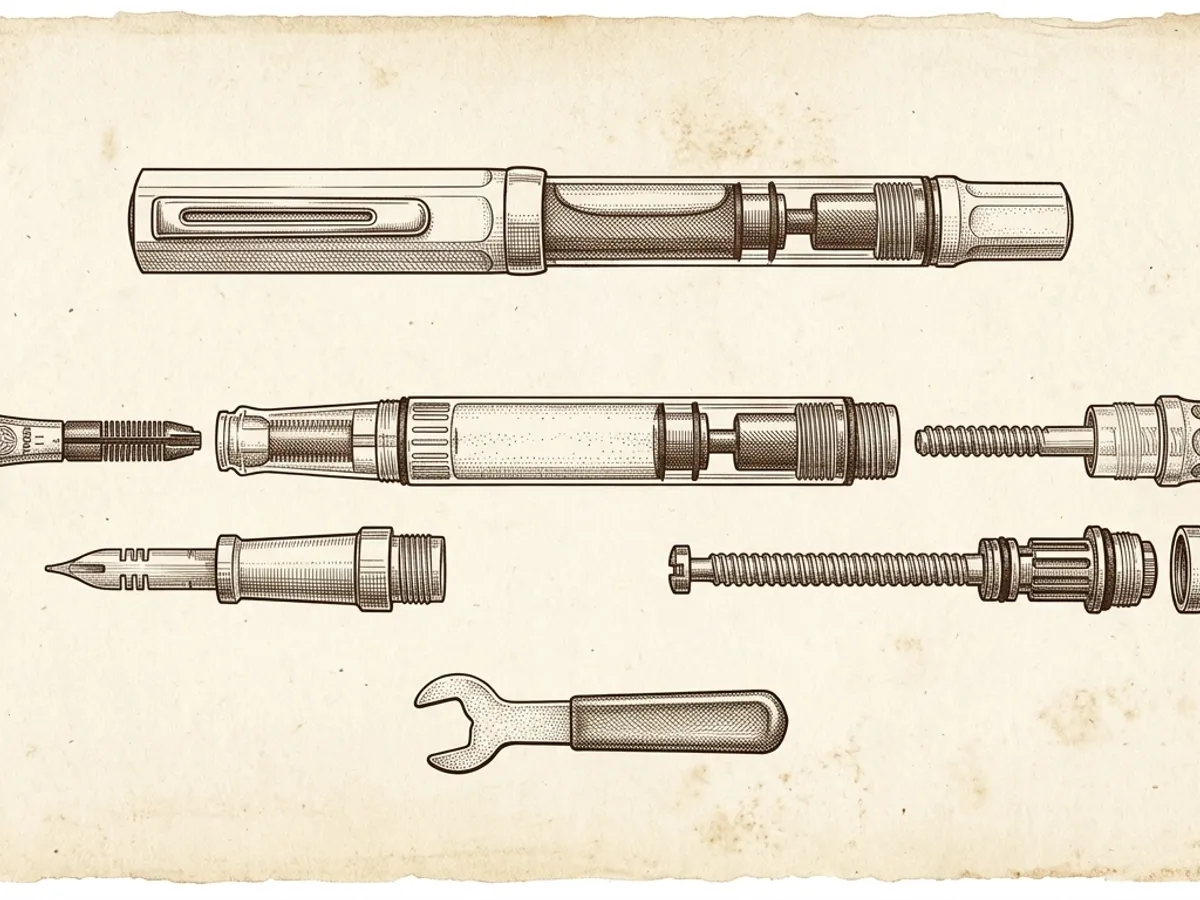
Ease of cleaning is a genuinely useful criterion when choosing a fountain pen, particularly for writers who switch inks frequently or who regularly use inks known to stain or foul feeds.
TWSBI ECO. The Eco is the most commonly cited piston filler in fountain pen community maintenance discussions. It ships with a small wrench for removing the piston mechanism and silicone grease for resealing after cleaning. All major components — piston, barrel, and nib unit — are individually replaceable through TWSBI directly. Owner reviews on Amazon and specialty pen retailers consistently identify maintenance accessibility alongside ink capacity and value as the pen’s primary strengths.
TWSBI ECO Fountain Pen on Amazon
Pilot Metropolitan. The Metropolitan’s steel nib and feed pull free from the section for separate soaking, which is useful when cleaning a pen that has been loaded with a stubborn, heavily saturated ink. Pilot’s proprietary cartridge and converter system is well-supported with accessible replacement parts, and the converter flushes cleanly with a straightforward syringe or bulb.
Pilot Metropolitan Fountain Pen on Amazon
Kaweco Sport. The Sport’s compact format makes syringe flushing slightly more fiddly than with a larger pen, but the standard international cartridge system opens the pen to a vast ink selection — and every ink in that category cleans out using the same process. No brand-specific adapters or specialized filling accessories are required.
All three pens also appear in The Best Budget Fountain Pens, where ease of maintenance factors into the picks.
How Often to Clean
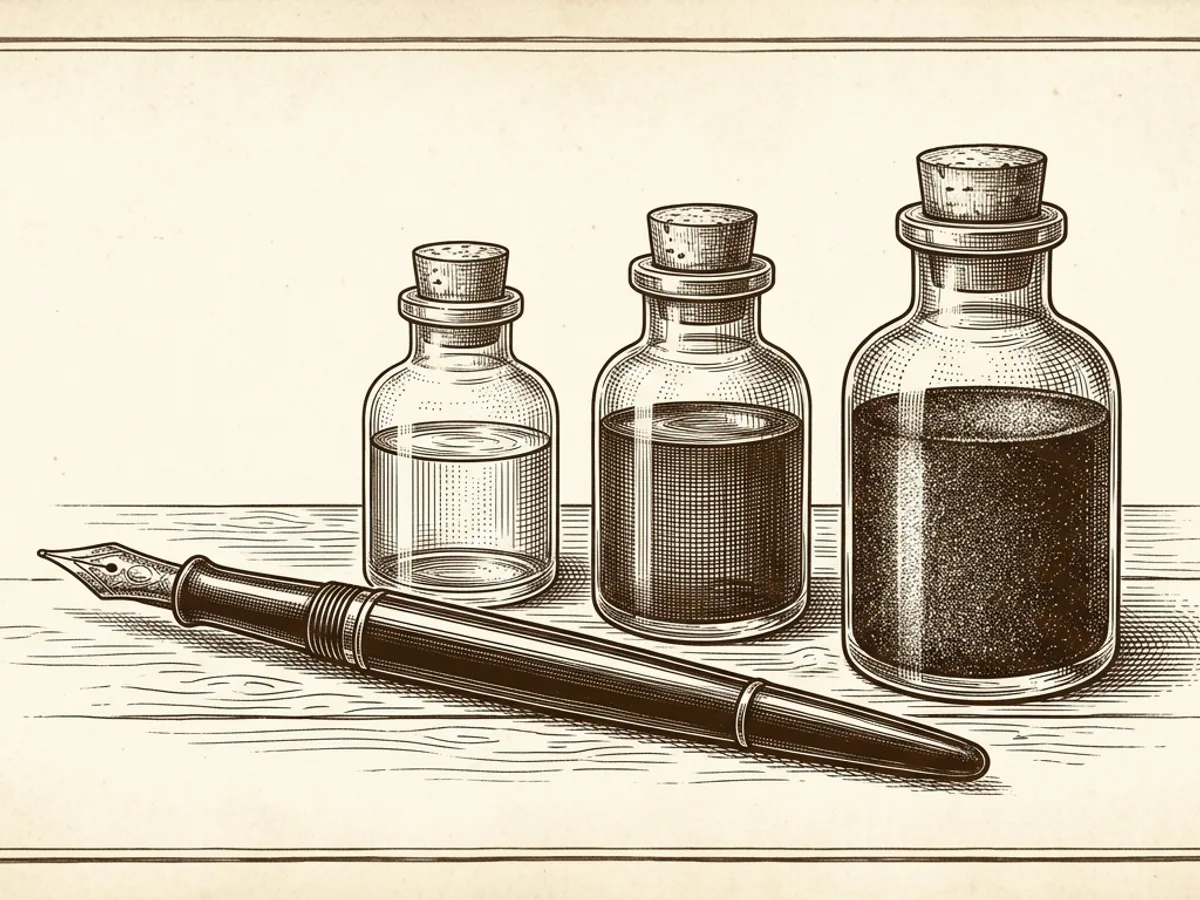
Cleaning frequency depends primarily on what ink you are using and how consistently you write.
Dye-based bottled inks and most cartridges: A flush every four to six weeks is sufficient for a pen in regular daily use. If you write with the pen only a few times a week, flush before each use or at the start of each week.
Iron-gall inks: Flush every two to three weeks. The mild acidity of iron-gall formulations can, over longer contact periods, affect certain metal alloys and rubber components. Do not leave an iron-gall ink loaded in a pen you will not use for more than a few weeks.
Pigmented and permanently waterproof inks: Flush weekly, and always flush the pen before storing it for more than a few days. Noodler’s Black is the most-discussed ink in this category — its bulletproof, waterproof character that makes it valued for archival writing and permanent documents is the same property that demands consistent cleaning habits. Pigmented ink that dries in the feed forms deposits that water alone may not dissolve, particularly in the fine fins and channels closest to the nib.
Before switching ink colors: Always flush completely before loading a new ink. Residual ink will contaminate the fresh load and shift its color. With some color pairs — a warm reddish-brown followed by a cool blue — the effect on the first strokes can be noticeable and takes several pages to write out.
A well-maintained pen, flushed on a consistent schedule appropriate to its ink type, should remain in reliable daily writing condition indefinitely. Most fountain pen flow problems documented in community troubleshooting threads — hesitant starts, blobbing, ink that thins out gradually — trace back to a feed that needed cleaning weeks before the symptoms appeared.