
This site is reader-supported. As an Amazon Associate we earn from qualifying purchases. When you buy through links on this page, we may receive an affiliate commission at no additional cost to you. Our editorial picks are independent of commercial relationships.
What Is a Stub Nib?
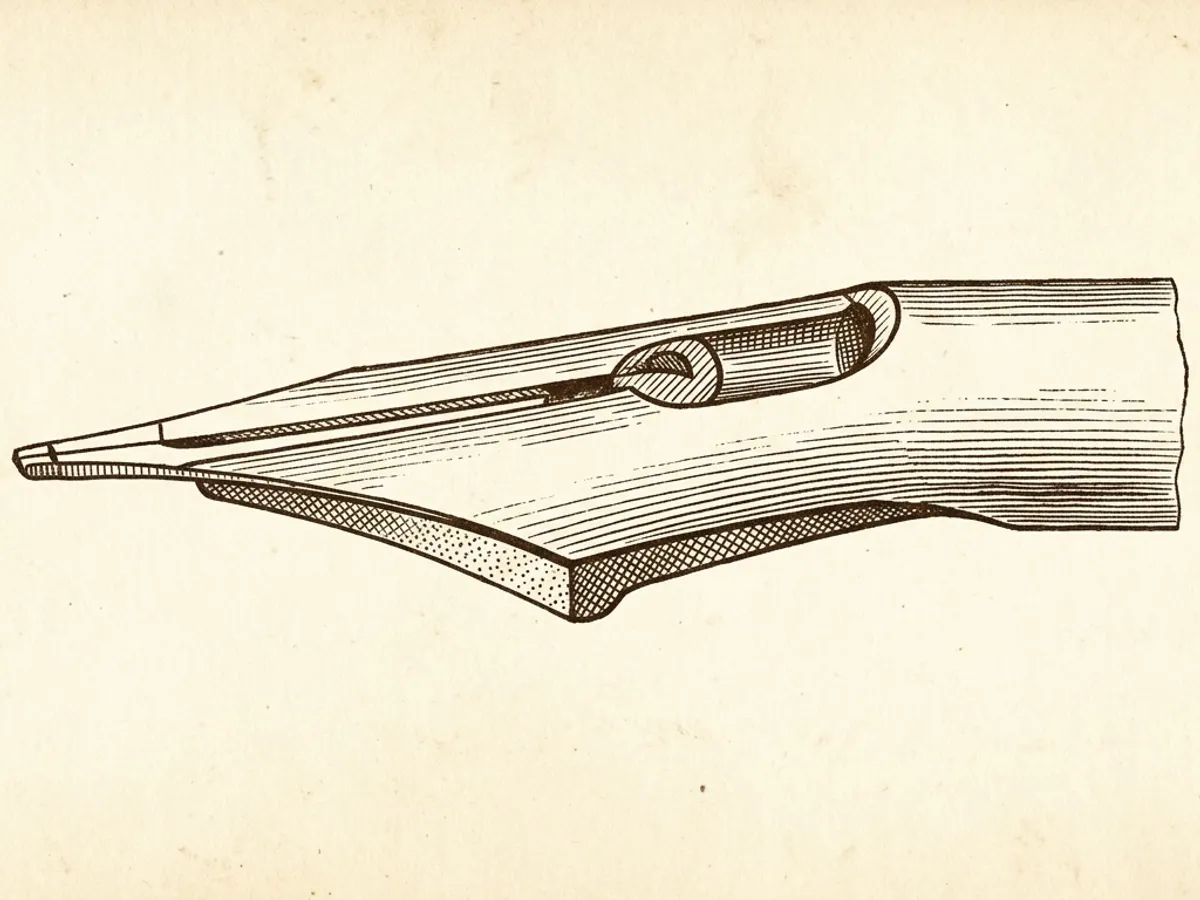
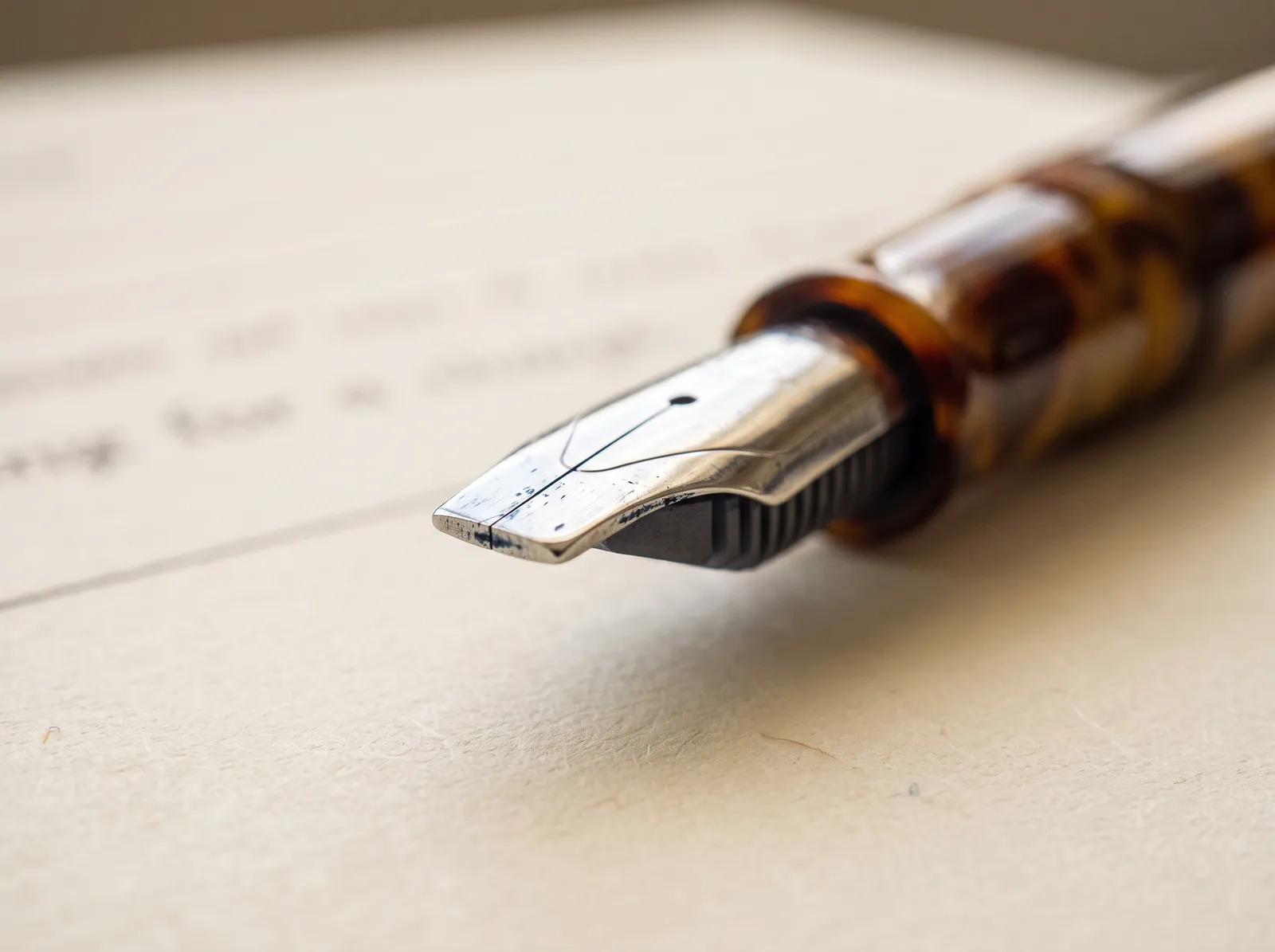
A stub nib is a fountain pen nib with a tip that has been ground flat and wide rather than rounded to a point. Where a standard round nib writes the same line width in every direction, a stub nib produces strokes that vary in thickness depending on how you move the pen: wider on horizontal strokes, thinner on verticals.
This variation is what gives stub nib writing its characteristic appearance — letters that seem to have weight and rhythm, downstrokes crisp, horizontal cross-strokes broad. It is not calligraphy in the demanding traditional sense. You hold the pen normally and write naturally. The nib shape produces the visual result.
What distinguishes a stub nib from an italic nib is the treatment of the tip’s edges. An italic nib has sharply squared corners — it produces crisp, dramatic line variation but catches on paper texture and requires a consistent, controlled writing angle. A stub nib has those same corners rounded off. The rounding is deliberate: it keeps the line variation while making the writing experience smooth enough for everyday use. The stub is sometimes described as a “rounded italic” or “soft italic” for exactly this reason.
Stub nibs are sized by tip width, most commonly 1.1mm, 1.5mm, and 1.9mm. The 1.1mm is the most practical for daily writing — broad enough to show clear line variation, fine enough to remain readable in normal handwriting at normal letter sizes. The 1.5mm and 1.9mm sizes suit larger script and dedicated calligraphy practice more than everyday notebook use. For how stub widths relate to the standard EF-to-B spectrum, see Fountain Pen Nib Sizes Explained.
How Stub Nibs Write
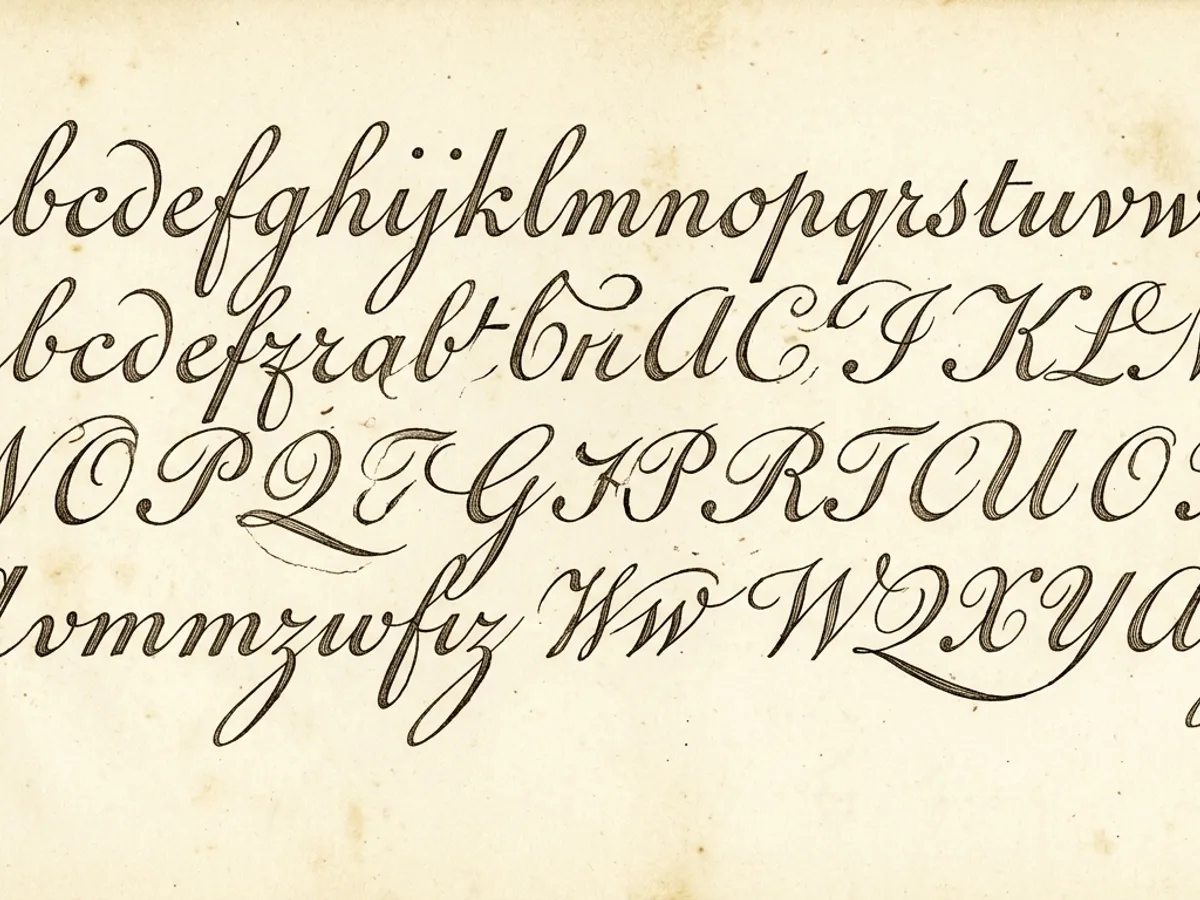
Writing with a stub nib for the first time often produces an immediate positive reaction. The same handwriting you have always had looks more deliberate and expressive — horizontal cross-strokes on letters like t and f appear wider, downstrokes appear narrower, and the combination creates a visual texture that round nibs cannot replicate.
The mechanics are simple. A stub nib has a wide, flat contact surface. When you draw a horizontal stroke, the full width of that surface meets the paper. When you draw a vertical stroke, only the narrow front edge meets the paper. Diagonals fall between the two extremes depending on the angle of the stroke. The result is line variation — produced automatically by direction of movement, not by varying pressure.
The degree of variation depends on the nib width. At 1.1mm, the contrast is visible and attractive but not dramatic. At 1.5mm, the difference between thick and thin becomes more pronounced. At 1.9mm, you are effectively in calligraphy territory: the contrast is significant, and maintaining consistent, controlled letterforms becomes important for readable results.
One property of stub nibs that surprises many new users: shading becomes visible. Shading is the tonal variation that appears within a single stroke as dye-based inks dry, producing lighter centers and darker pooling at the stroke edges. This effect is nearly invisible through fine and medium round nibs, which deposit too little ink per stroke for the variation to show. Through a stub nib’s broad horizontal strokes, shading inks become visually expressive in ordinary handwriting — a genuine benefit if you enjoy the aesthetic properties of fountain pen inks.
Angle sensitivity is the main adaptation that stub nibs require. A round nib works identically regardless of how the nib is rotated. A stub nib produces its intended line variation only when the flat face is oriented roughly parallel to the horizontal writing line. Most writers maintain this naturally, but it is worth knowing that rotating the nib sideways will reduce or eliminate the effect and can cause inconsistent flow.
Stub Nib vs. Italic Nib: What’s the Difference?
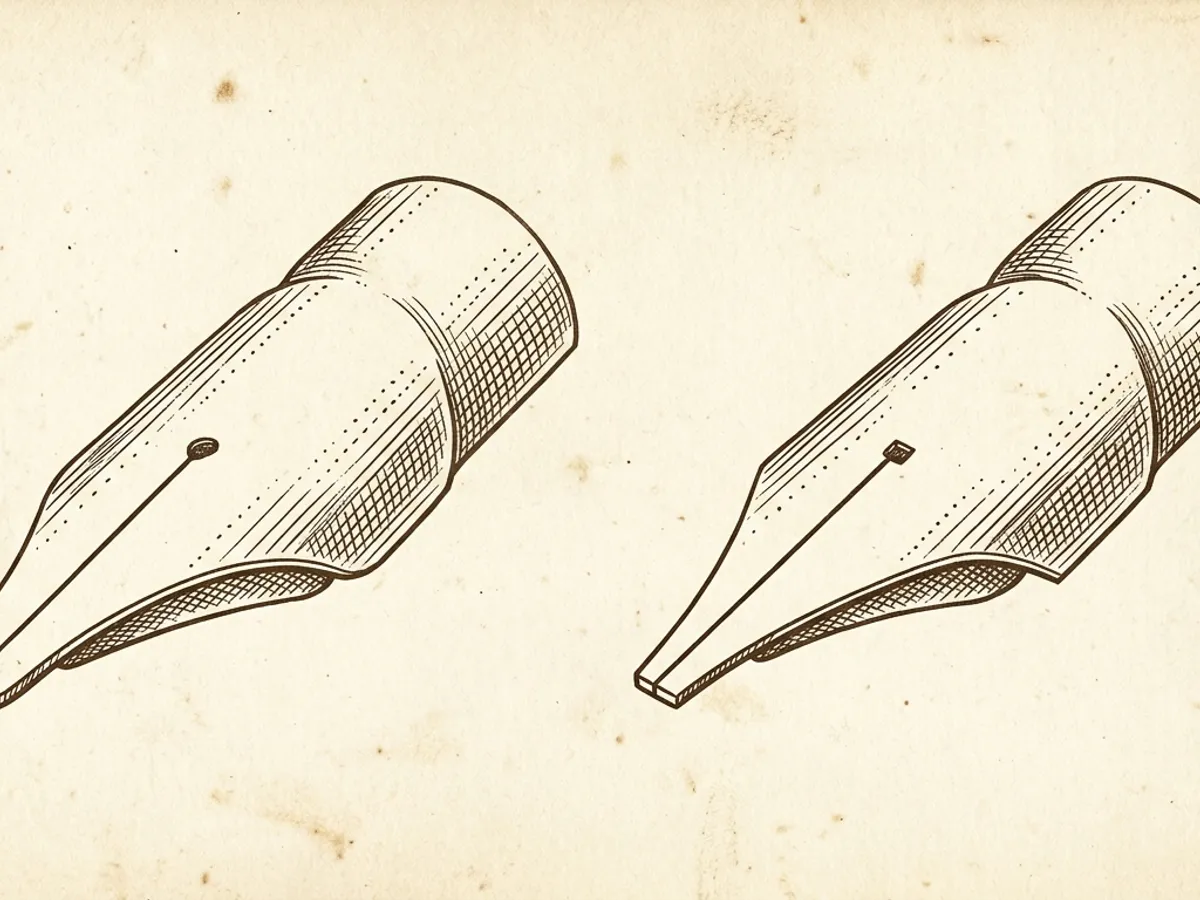
Both stub and italic nibs produce line variation through directional writing rather than pressure variation. They are closely related designs, and the boundary between them is a matter of degree rather than kind.
An italic nib has a flat, wide tip with crisp, squared corners. The sharp edges create a stark transition between broad and thin strokes — visually impressive, technically demanding. The square corners engage paper texture directly, which makes italic nibs more sensitive to paper quality and writing angle. On rough paper, an italic nib can feel scratchy or catch and skip. On smooth paper with a consistent, deliberate hand, the performance is striking.
A stub nib has the same flat geometry, but the corners are rounded off. This is the defining difference. The rounded corners make a stub nib significantly smoother than a comparably sized italic — they prevent the catching on paper texture that makes italic nibs demanding to use every day. The visual result is softer line transitions rather than the crisp italic edge, but the overall character — the thick-thin variation, the visible ink shading, the expressive quality — is present and clear.
For practical daily writing, the stub is the right choice for almost every situation where line variation is desired. An italic nib’s crispness is an aesthetic advantage primarily visible at larger writing sizes or in careful, deliberate penmanship. For notes, journaling, correspondence, and regular writing at normal notebook sizes, the stub’s smoother writing experience outweighs its slightly less sharp line contrast.
A common source of confusion: pens marketed as “calligraphy” in the entry-level price range often come fitted with stub nibs rather than true italics. The Lamy Joy ships with stub-edged 1.1mm, 1.5mm, and 1.9mm calligraphy nibs. Some manufacturers use “calligraphy” and “italic” to describe what is, in practice, a stub. If you see a “calligraphy nib” designation without further specification at an accessible price point, the tip almost certainly has rounded corners — a stub nib for practical purposes.
The Best Fountain Pens with Stub Nibs
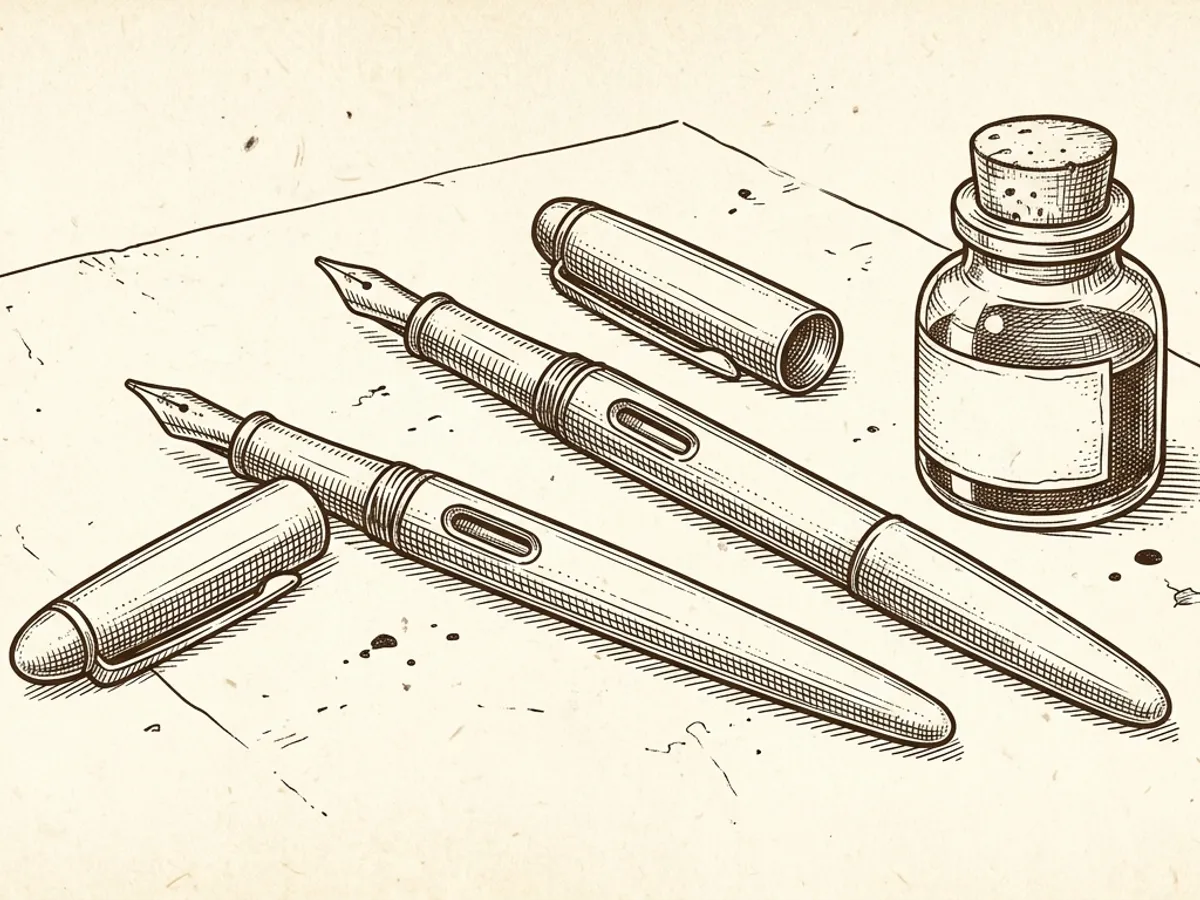
Two manufacturers offer the most consistently available and reliably recommended stub nibs at accessible price points: TWSBI with the Eco 1.1mm stub, and Lamy with the Safari-family stub nib. Both have sustained long-term availability and consistent track records across multiple production runs.
TWSBI Eco 1.1mm Stub
The TWSBI Eco in the 1.1mm stub configuration is among the most recommended entry-level stub nib pens in fountain pen communities. The Eco uses a built-in piston filling system with a clear demonstrator barrel — the entire ink reservoir is visible through the transparent body, and filling is done by dipping the nib in a bottle and turning the piston knob. There are no cartridges; the piston fills directly from the bottle, and the capacity is considerably larger than a standard ink cartridge.
The transparent body makes ink color and level visible at all times, which is particularly satisfying with shading or sheening inks. Ink that behaves interestingly in the bottle tends to look interesting on paper through a broader nib.
TWSBI includes a wrench with the Eco for full disassembly. The pen can be completely taken apart for cleaning when changing ink colors or after extended use. For writers who maintain multiple pens in rotation, this makes maintenance straightforward and thorough.
The 1.1mm stub nib produces consistent line variation across the writing session. Flow is reliable, and the nib arrives ready to write without adjustment in most cases. TWSBI has refined its nib finishing over successive production runs, and the Eco stub is among the brand’s more consistent performers.
Ink system: piston fill directly from a bottle. No cartridge or converter is used.
TWSBI Eco 1.1mm Stub on Amazon
Lamy Safari 1.1mm Stub
The Lamy Safari is the most widely recommended entry-level fountain pen across virtually every pen community, and the 1.1mm stub variant maintains the Safari’s core strengths: consistent manufacturing, strong community documentation, and a nib system designed for experimentation.
The Safari’s nib is user-replaceable without tools. The 1.1mm stub nib is sold both as part of a complete pen and as a standalone replacement nib. This means existing Safari, Al-Star, or Vista owners can add stub writing to a pen they already own without buying a new pen. A replacement Lamy nib presses in and out of the section in seconds, with no tools required.
The 1.1mm line variation from the Safari stub is clearly visible without being demanding. Lamy’s manufacturing consistency means the nib you receive performs as described by other writers. Unit-to-unit variation, which can be a frustration with some fountain pen brands, is minimal with Lamy’s production.
The Safari’s triangular grip section is one of its recognizable features — the molded angles guide the hand into a three-point grip. Writers who naturally hold in this position find it comfortable and stable. Writers with non-standard grip habits may find the fixed geometry limiting.
Ink system: Lamy T10 proprietary cartridges, or the Z28 push-in converter for bottled ink. Lamy uses a proprietary cartridge format; standard international cartridges from other brands are not compatible with Lamy pens.
Lamy Safari 1.1mm Stub on Amazon
Ink and Paper for Stub Nibs
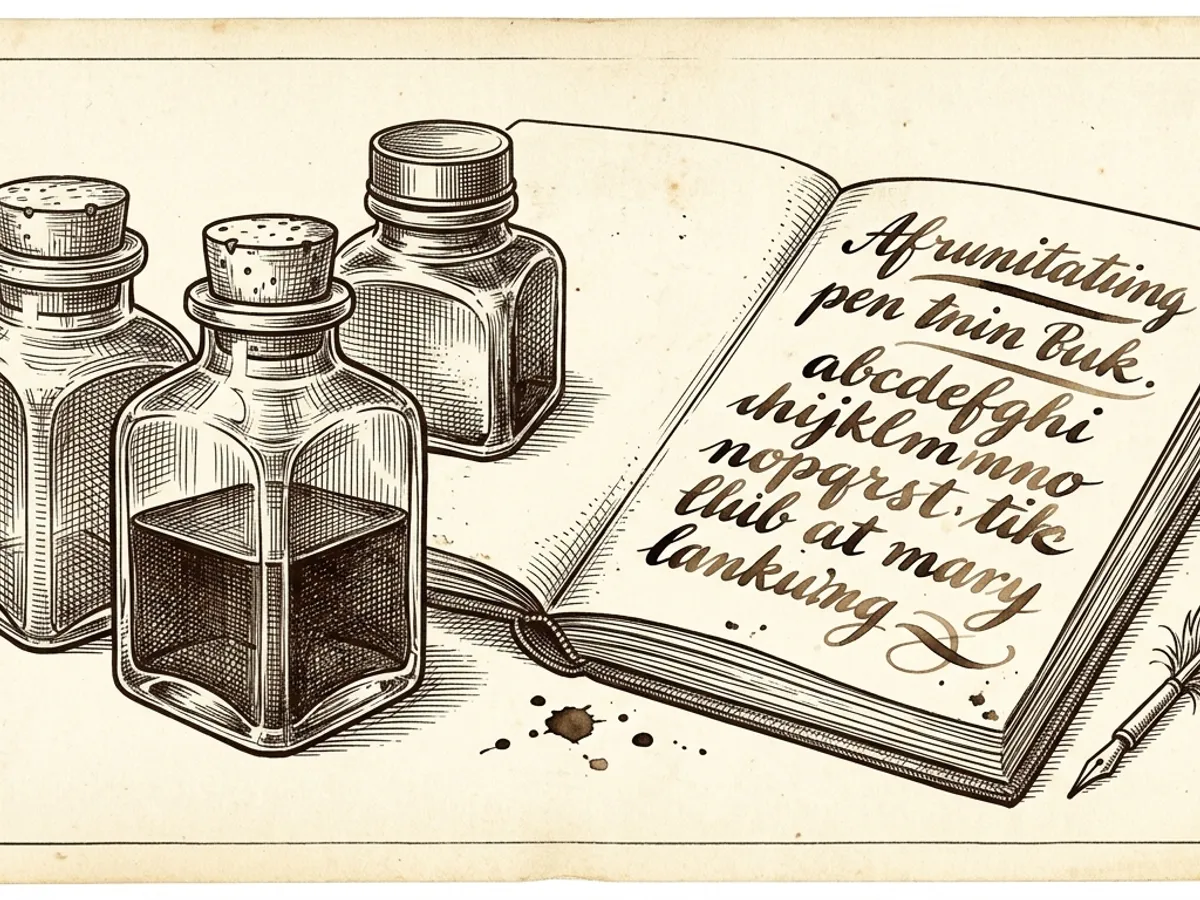
The broader stroke of a stub nib makes ink and paper choices more consequential than they are with a standard round nib. A 1.1mm stub deposits more ink per stroke than a medium round nib, which means its performance is more sensitive to paper quality, and its visual character is more affected by ink properties.
Paper. The widest variation in stub nib performance comes from paper quality. On smooth, fountain-pen-optimized paper, a stub nib lays down clean-edged strokes with well-defined line variation. On rough or absorbent paper — standard copier stock, inexpensive composition notebooks, most school paper — the same nib produces feathered line edges, possible bleed-through on thin sheets, and less-defined variation. If you are testing a stub nib and the experience disappoints, try a Rhodia or Clairefontaine pad before concluding the nib is the problem.
Papers that reliably work well with stub nibs:
- Rhodia and Clairefontaine are the standard reference point — smooth, well-sized, broadly available. The stub nib glides without friction and lines dry cleanly.
- Leuchtturm1917 handles stub nibs well in a notebook format that many daily writers prefer.
- Tomoe River paper is exceptionally thin and smooth. It shows ink shading dramatically, making a shading ink through a stub nib one of the more visually interesting combinations in fountain pen writing.
- Midori MD paper is smooth and handles broad strokes cleanly.
Ink. Shading inks pair well with stub nibs. Shading is the tonal variation within strokes that happens as dye-based inks dry unevenly. Through a round medium nib, shading is subtle or invisible. Through a stub’s broad horizontal strokes, shading becomes visible and attractive as part of ordinary handwriting.
Standard fountain pen inks that are widely available, reliably safe for all fountain pen components, and known to shade in broader nibs:
- Diamine inks in many colors exhibit shading that becomes visible through broader nibs.
- Pilot Iroshizuku inks are consistent performers and shade well in a range of colors.
- Noodler’s Black provides a waterproof, reliable option for documents where permanence matters.
All standard dye-based fountain pen inks from established manufacturers — Diamine, Pilot, Pelikan, Waterman, Caran d’Ache, and others labeled fountain-pen-safe — are appropriate for stub nibs. Avoid drawing inks, India ink, and art inks not specifically designed for fountain pens; they contain particulates or binders that can clog the narrow feed channels over time.
Is a Stub Nib Right for You?
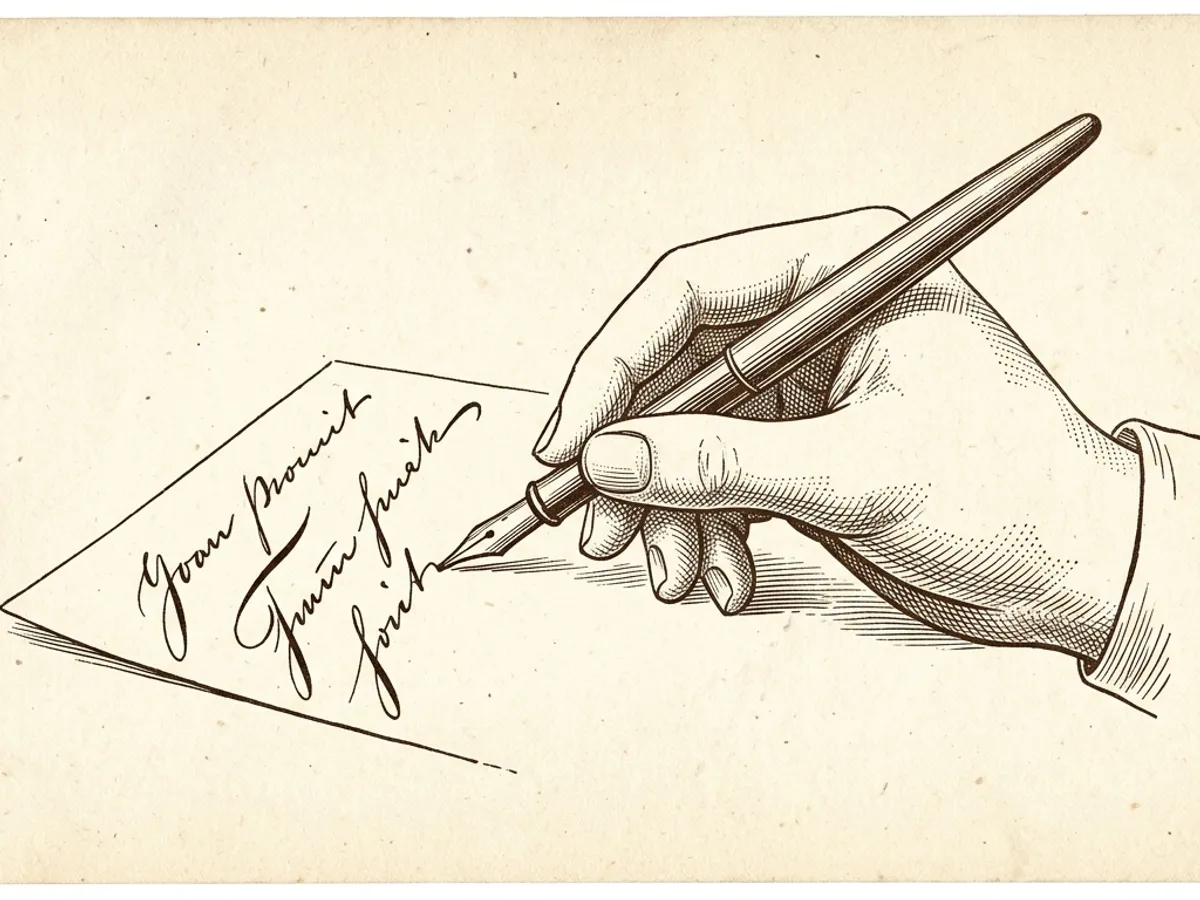
Stub nibs suit a well-defined set of writers and use cases. Identifying whether you fit the profile helps you make a confident choice.
A stub nib is likely a good match if:
- You write by hand regularly and want your ordinary handwriting to look more expressive and deliberate, without learning calligraphy technique.
- You are interested in the visual properties of fountain pen inks — shading, sheen, color — and want those properties to be visible in your writing rather than hidden by a thin line.
- You write at a moderate to large letter size. Line variation becomes most visually appealing when letters are tall enough to show it clearly.
- You are already comfortable using fountain pens and want to explore nib variety beyond standard round sizes. Our guide Fountain Pen Nibs Explained surveys the full range of nib types.
- You primarily write on smooth, fountain-pen-optimized paper, or are willing to switch to it.
A stub nib is probably not the right first choice if:
- You are new to fountain pens and still developing your writing habits with the pen type. A medium or fine round nib is more forgiving of technique, paper variation, and pressure while you adjust — our Best Beginner Fountain Pen picks are the better starting point.
- You write with very small, compact handwriting. At 1.1mm, broad strokes in small letters start to crowd each other, reducing legibility.
- You write regularly on standard office paper or inexpensive notebooks. A stub nib will underperform on absorbent or rough stock more noticeably than a fine or medium round nib.
- You need a pen that works at any angle and orientation without consideration. The stub’s angle sensitivity is manageable but adds a constraint that round nibs do not.
For writers who fit the first list, the TWSBI Eco stub is an effective way to try the format: straightforward to use, easy to clean, and priced at a level where the experiment is low-risk. The Lamy Safari stub is the right choice for anyone who wants to add a stub nib to an existing compatible Lamy pen via nib swap, or who prefers the Safari’s form factor and the depth of community support behind it.