
This site is reader-supported. As an Amazon Associate we earn from qualifying purchases. When you buy through links on this page, we may receive an affiliate commission at no additional cost to you. Our editorial picks are independent of commercial relationships.
What “Fountain Pen with Ink Bottle” Actually Means
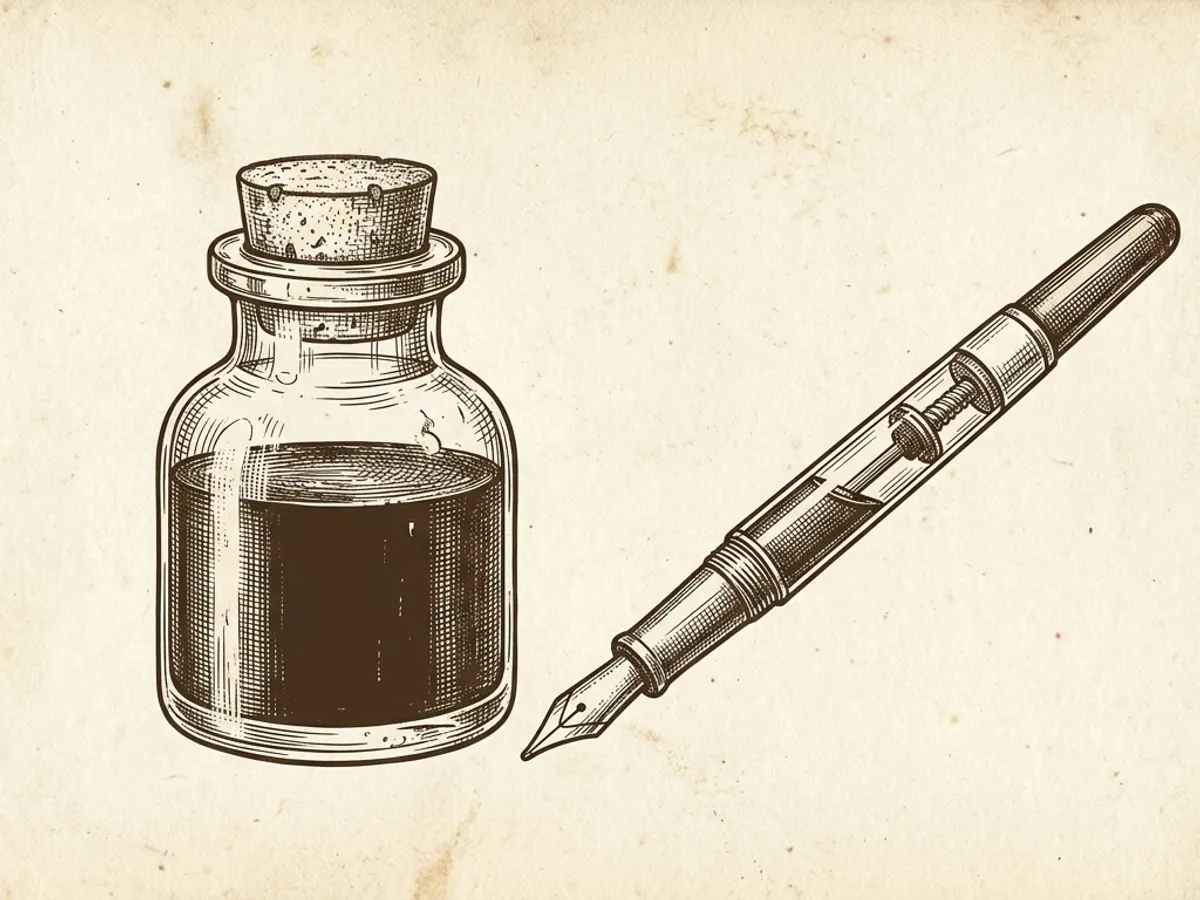
When you search for a “fountain pen with ink bottle,” the query typically reflects one of two needs: a fountain pen sold as a kit that includes a bottle of ink, or guidance on how to use a refillable pen with bottled ink rather than disposable pre-filled cartridges.
Both lead to the same destination. Bottled fountain pen ink—sold in glass or plastic bottles ranging from 30ml to 100ml—is drawn into the pen either through a detachable converter (a small refillable chamber that replaces the cartridge) or through a built-in piston or vacuum-filling mechanism in the pen’s barrel. The experience is meaningfully different from cartridge use: broader color selection, lower cost per milliliter, and access to specialized ink types—waterproof formulations, iron gall inks, carbon-pigmented options—that simply don’t exist in cartridge form.
This guide covers what you need to get started, the bottled inks worth buying, and the pens that make the experience work best.
Why Bottled Ink Is Worth the Switch from Cartridges

Cartridges have real advantages. They snap in cleanly, require no accessories, and present no spill risk. For travel or desk-sharing situations where mess is unwelcome, cartridges are genuinely practical.
Bottled ink wins on nearly everything else.
Ink selection. The cartridge market is constrained by brand compatibility. Lamy pens use Lamy’s proprietary T10 cartridges. Pilot pens use Pilot’s proprietary cartridge format. Kaweco and many European brands use the standard international cartridge size, which is broader but still limited to what manufacturers produce in that format. With bottled ink and a matching converter, any compatible pen can draw from any bottled ink from any brand—hundreds of colors across dozens of manufacturers. Seasonal colors, limited editions, and shimmering inks with metallic particles are available almost exclusively in bottles.
Economy. A 30ml bottle of a well-regarded ink typically costs the same as four to six cartridges while containing significantly more ink. An 80ml bottle stretches further still. For writers who fill their pens weekly or more often, the per-use cost difference is meaningful over months of writing.
Ink types unavailable in cartridges. Iron gall inks—which chemically bond with cellulose in paper for archival permanence—are available almost exclusively in bottled form. Pigmented carbon inks like Platinum Carbon Black, which produce waterproof lines suited to documents that need to last, also come only in bottles. These are specialized tools, but if your writing calls for them, bottled ink is the only path to get there.
The trade-off is a small amount of setup time. Filling from a bottle takes about sixty seconds with practice. Cleaning a converter before a color change takes roughly the same.
What You Need to Get Started
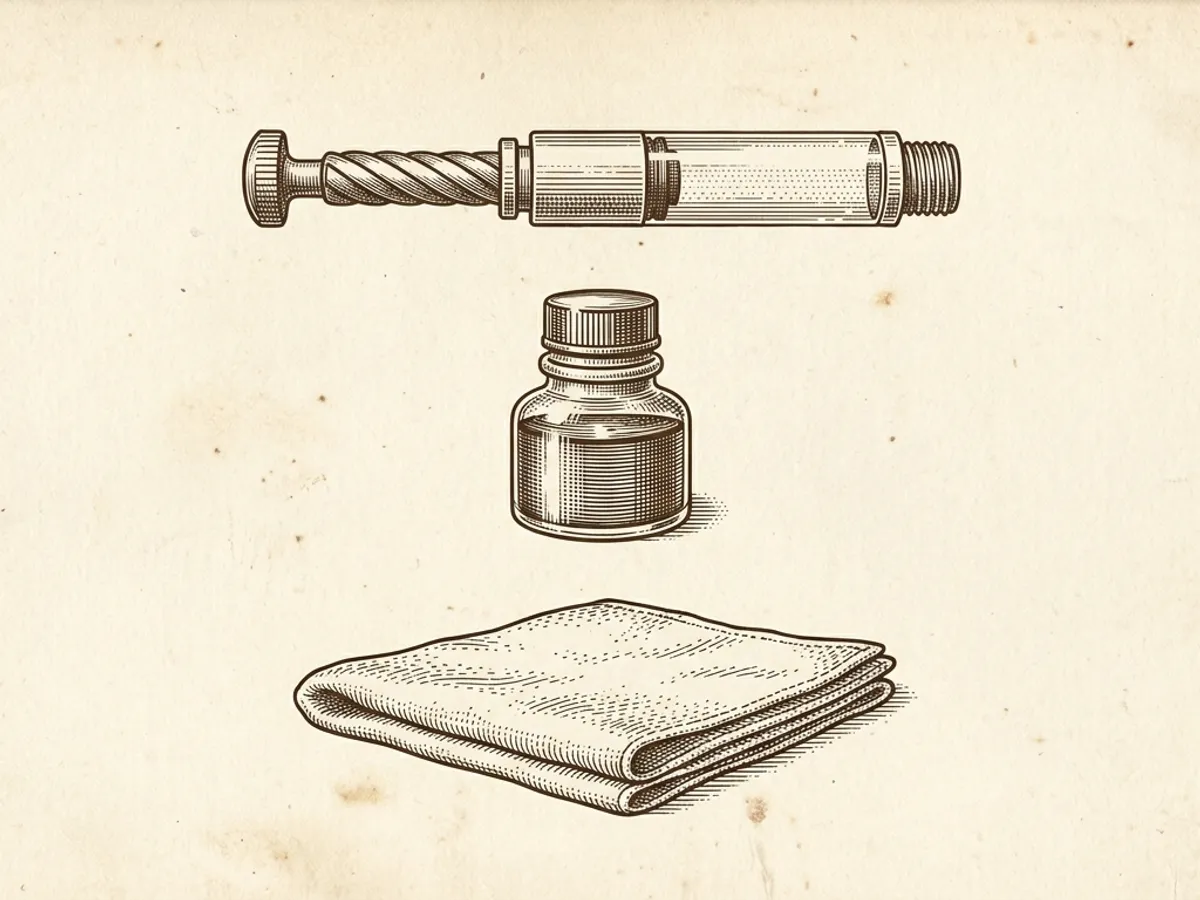
Moving from cartridges to bottled ink requires three things: a converter-compatible pen or a pen with a built-in filling mechanism, a bottle of fountain pen ink, and the basic technique for drawing ink up through the nib.
The pen. Any refillable fountain pen that accepts a converter or has an integrated filling system works with bottled ink. Piston fillers—like the TWSBI ECO—draw ink directly into the barrel through the nib, with no separate converter purchase required. Pens designed for cartridges accept a converter in place of the cartridge at the same connection point.
The converter. Converters are brand-specific and not interchangeable between proprietary systems. Lamy pens use the Lamy Z26 converter. Pilot pens use the CON-40 or CON-70—the CON-70 holds a larger ink charge and is generally preferred for writers who dislike frequent refills. Kaweco pens and most European brands with standard international sizing accept a range of standard international converters. Verify the correct converter model for your pen before purchasing.
The ink. Any ink clearly marketed as fountain pen safe is appropriate. Avoid inks formulated for dip pens, brushes, or technical drawing—these are often too viscous or too particulate for a fine fountain pen feed.
Filling From a Bottle: The Basic Technique
Submerge the nib and feed section—not just the nib tip—fully in the ink. Activate the converter or piston slowly to draw ink into the reservoir. If you draw too quickly, air enters before ink and leaves gaps in the fill. With a piston filler, rotate the piston knob to compress before submerging, then reverse to draw ink up. After filling, wipe the nib section clean with a lint-free cloth before capping.
The complete process, including how to clear air locks and flush before a color change, is covered in detail in our how to fill a fountain pen with ink guide.
The Best Bottled Fountain Pen Inks to Buy

These are established inks with long track records in the fountain pen community, reliably available, and representing genuinely different use cases. For a ranked treatment of the top picks, see The Best Fountain Pen Inks of 2026: Expert Picks for Every Writer.
Pilot Iroshizuku Kon-Peki
Pilot Iroshizuku is among the most consistently praised ink lines in the fountain pen world. Kon-Peki—“deep cerulean” in Japanese—is a blue with pronounced shading: lighter at the edges of a wet stroke and deeper at its center, in a way that shows clearly on quality paper and gives handwriting a quality it doesn’t achieve with flat dyes.
The 50ml glass bottle has a narrow-neck fill opening that seats the nib section cleanly without spilling. Iroshizuku inks are dye-based and well-behaved in all pen types, with a reputation for causing no problems in pens left filled for extended periods. The line covers a wide color range; Kon-Peki is the most commonly recommended single color for writers new to it.
Pilot Iroshizuku Kon-Peki on Amazon
Diamine Blue/Black (80ml)
Diamine is a British ink company whose products have been a staple of the fountain pen community for decades. The Blue/Black is a classic shade—slightly more blue than many blue-blacks, with good water resistance for a dye-based formulation. The 80ml bottle is generous: for a primary-pen ink used daily, it typically lasts several months.
Diamine inks are widely cited for easy cleaning, a practical virtue when switching between colors or flushing a pen before storage. The line’s range and affordability make it a natural entry point for writers exploring bottled ink for the first time.
Noodler’s Black (3oz)
Noodler’s Black earns its reputation on one specific property: it is bulletproof. In Noodler’s terminology, “bulletproof” means the ink bonds chemically to cellulose in paper and cannot be removed by water, most bleaching agents, or many solvents. For documents where permanence matters—contracts, personal correspondence, journals meant to last—Noodler’s Black is the standard community recommendation.
Flow is good in most fountain pens. As with any waterproof or specially formulated ink, regular use in a loaded pen is preferable to long rest periods, which can require flushing the feed to clear. For writers who use their pen daily, this is rarely a concern.
Platinum Carbon Black (60ml)
Platinum Carbon Black is a pigmented carbon ink—the category most recommended for drawing, technical illustration, and archival writing where crisp, permanent lines are required. The dried line is waterproof and fade-resistant in a way dye inks are not, because the ink uses suspended carbon particles rather than dye molecules that can be washed out.
Pigmented inks require more attentive maintenance than dye inks. Left unflushed in a pen for weeks, they can dry in the feed and require soaking to clear. For writers who use their pen daily and rinse before color changes, this is a manageable routine. For pens used intermittently or stored long-term, a dye ink is a more forgiving choice.
Platinum Carbon Black on Amazon
Pens That Pair Especially Well with Bottled Ink
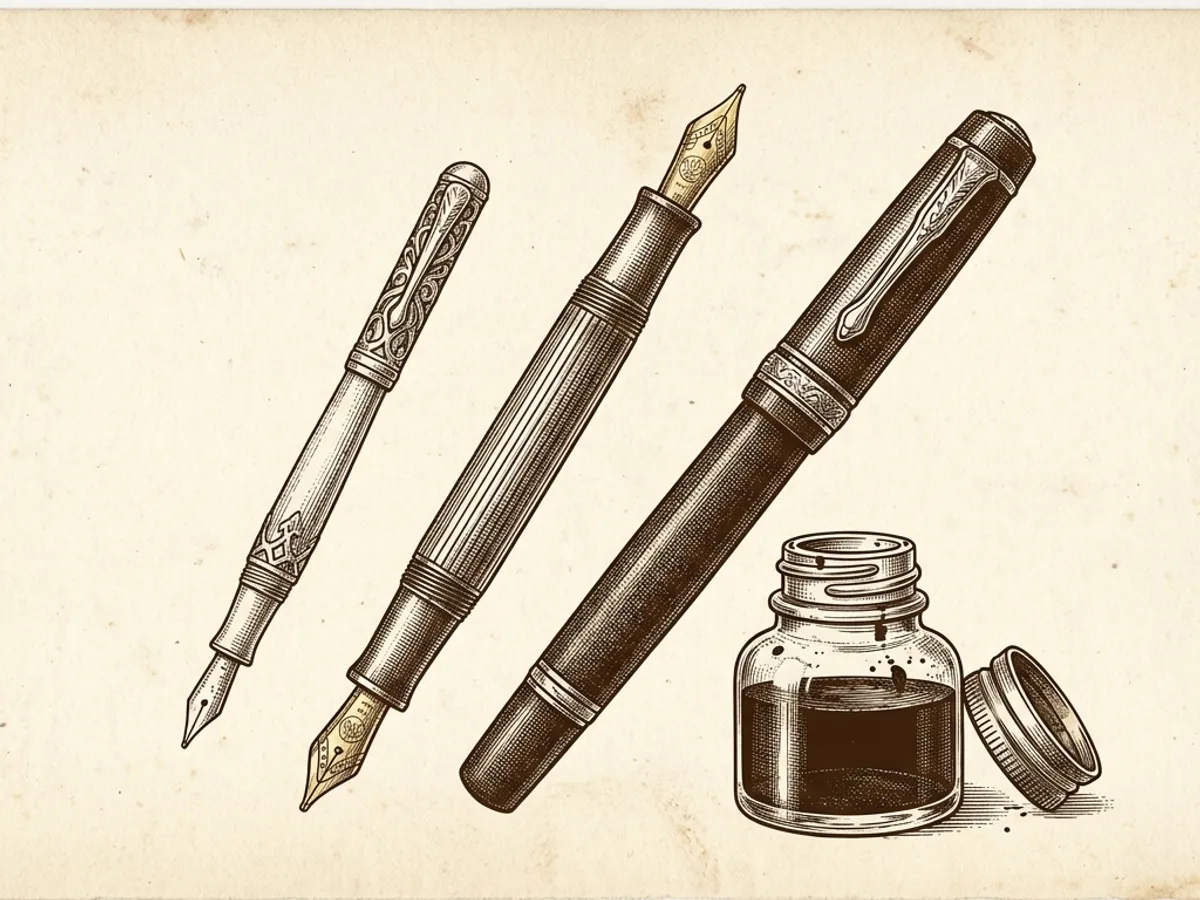
Any refillable fountain pen that accepts a converter or has an integrated fill mechanism works with bottled ink. A few models stand out for how naturally they fit the bottled-ink workflow. For more entry-level options beyond these three, our guide to The Best Budget Fountain Pens covers converter-friendly picks at every price point.
TWSBI ECO
The TWSBI ECO is a piston filler: it draws ink directly into its transparent barrel through the nib, requiring no converter. Ink capacity is larger than most standard converters, meaning fewer fills per bottle used. The clear demonstrator body shows the ink color and remaining level at all times, which is a satisfying and practical part of the experience.
Owner reviews describe the ECO’s piston mechanism as smooth and reliable. The pen also disassembles fully for cleaning—a meaningful advantage when flushing pigmented inks or switching between very different colors. For writers whose primary interest is using bottled ink, the ECO removes as much friction from the experience as any pen at its price.
Lamy Safari with Z26 Converter
The Lamy Safari accepts the Lamy-specific Z26 converter, switching from a cartridge pen to a bottled-ink pen in a few seconds. The Safari is among the most discussed entry-level pens: its triangular grip section suits some writers well for long sessions and others find the fixed position restrictive. Build quality and nib consistency are consistently praised across owner reviews. Our Lamy Safari Fountain Pen Review covers the pen in depth.
The Z26 converter is Lamy-specific and sold separately from most retail configurations. Standard international converters do not fit Safari pens—only the Z26 (or Lamy’s Z28 piston converter, available in some markets) is compatible.
Pilot Metropolitan with CON-40 or CON-70
The Pilot Metropolitan is one of the most consistently recommended entry-level fountain pens. It accepts Pilot’s CON-40 or CON-70 converter (sold separately). The CON-70 holds a larger ink charge and is generally preferred for writers who find frequent refills disruptive. The Metropolitan’s metal barrel feels more substantial than its price suggests, and owner reviews consistently praise the nib’s smoothness out of the box.
Pairing the Metropolitan with a converter opens access to any bottled ink—a meaningful upgrade from the limited selection available in Pilot’s proprietary cartridge format. For writers who later become interested in Pilot Iroshizuku, this is the natural pen to start with.
Choosing Your First Ink and Pen Combination
For a first bottled-ink setup, the most straightforward path pairs a pen with minimal fill friction with a well-behaved dye ink.
Pen: TWSBI ECO for writers who want to bypass the converter step and get the largest possible ink capacity from the start. Lamy Safari with Z26 converter as the most accessible cartridge-to-bottle transition at the entry level. Pilot Metropolitan with CON-70 for writers already familiar with Pilot pens.
Ink: Pilot Iroshizuku Kon-Peki for writers who want an expressive, shading-forward experience from the start. Diamine Blue/Black for writers who prefer an affordable, predictable ink that cleans easily and behaves consistently across different pen types.
Save the specialized inks—Noodler’s Black for archival permanence, Platinum Carbon Black for waterproof output—for after the fill-and-clean routine feels comfortable. Both reward regular use and slightly more attentive maintenance; familiarity with a dye ink first makes the transition to either of them easier.
Our Verdict
Moving from cartridges to bottled ink is one of the most practical upgrades in fountain pen writing: meaningfully lower long-term cost, dramatically broader color selection, and access to ink types—waterproof, archival, shimmering—that don’t exist in cartridge form. The overhead is real but modest: a converter purchase for most pens, a bottle of ink, and the sixty-second fill technique.
For writers already using fountain pens with cartridges, the transition is straightforward and the upside is immediate. For writers new to fountain pens who want to start with bottled ink from the beginning, the TWSBI ECO—which requires no converter and has an unusually large ink capacity—removes as much barrier as possible.
The inks listed here—Pilot Iroshizuku Kon-Peki, Diamine Blue/Black, Noodler’s Black, and Platinum Carbon Black—represent a cross-section of what the bottled ink market does best: expressive color with shading, everyday workhorse performance, archival permanence, and waterproof output. Any one of them is a reasonable starting point; together they cover nearly every writing need a fountain pen user will encounter.