
This site is reader-supported. As an Amazon Associate we earn from qualifying purchases. When you buy through links on this page, we may receive an affiliate commission at no additional cost to you. Our editorial picks are independent of commercial relationships.
What Makes the Brass Sport Different from the Classic Sport
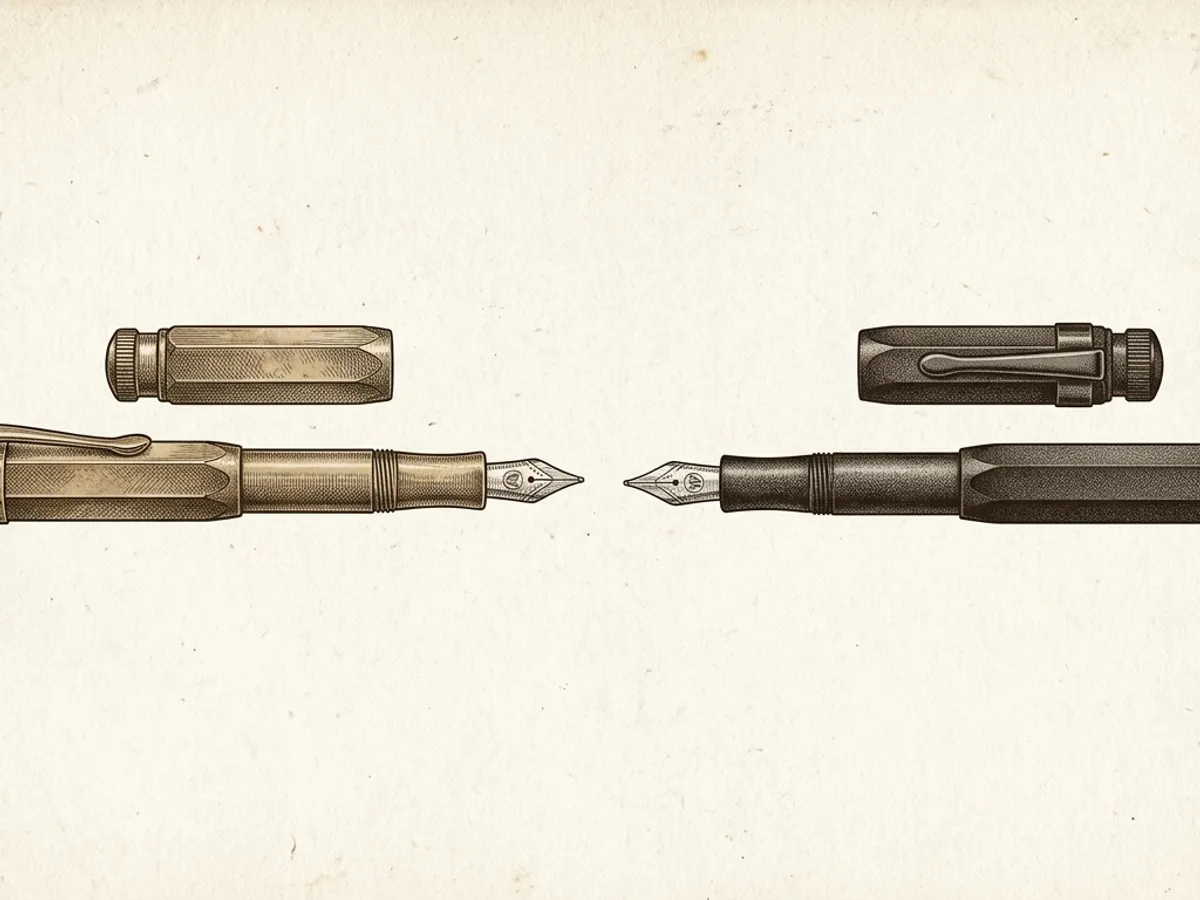
The Kaweco Sport is one of the most recognizable compact fountain pen designs in continuous production today — a short octagonal body that fits comfortably in a shirt pocket and opens into a full-length writing instrument once the cap is posted. Within the Sport family, Kaweco offers the design in multiple materials: ABS plastic in the Classic Sport, aluminum in the Al Sport, steel in the Steel Sport, and uncoated raw brass in the Brass Sport.
The Brass Sport occupies the premium end of the uncoated metal range. Every functional element — the nib unit, the cap mechanism, the cartridge socket, the grip section — is shared with the Classic Sport. What changes is the body material, and with it, the weight, the feel, and the way the pen ages over time.
The characteristic that separates the Brass Sport from every other fountain pen in its price range is not its nib, its filling system, or its reliability. It is the fact that the pen will look different in a year than it does today. Uncoated brass oxidizes and responds to handling — contact areas darken gradually, surface tone shifts from bright gold toward deeper amber and bronze, and the pen develops a character unique to its owner’s use patterns. Whether that is the primary appeal or simply a side effect of what you actually want, it is the defining feature of this pen over any other option in the Sport line.
For buyers comparing the Brass Sport against the broader entry-level fountain pen market, see our guide to the best beginner fountain pens for a full overview of where the Sport family sits relative to Lamy, Pilot, and other brands.
Ink Compatibility and Filling System
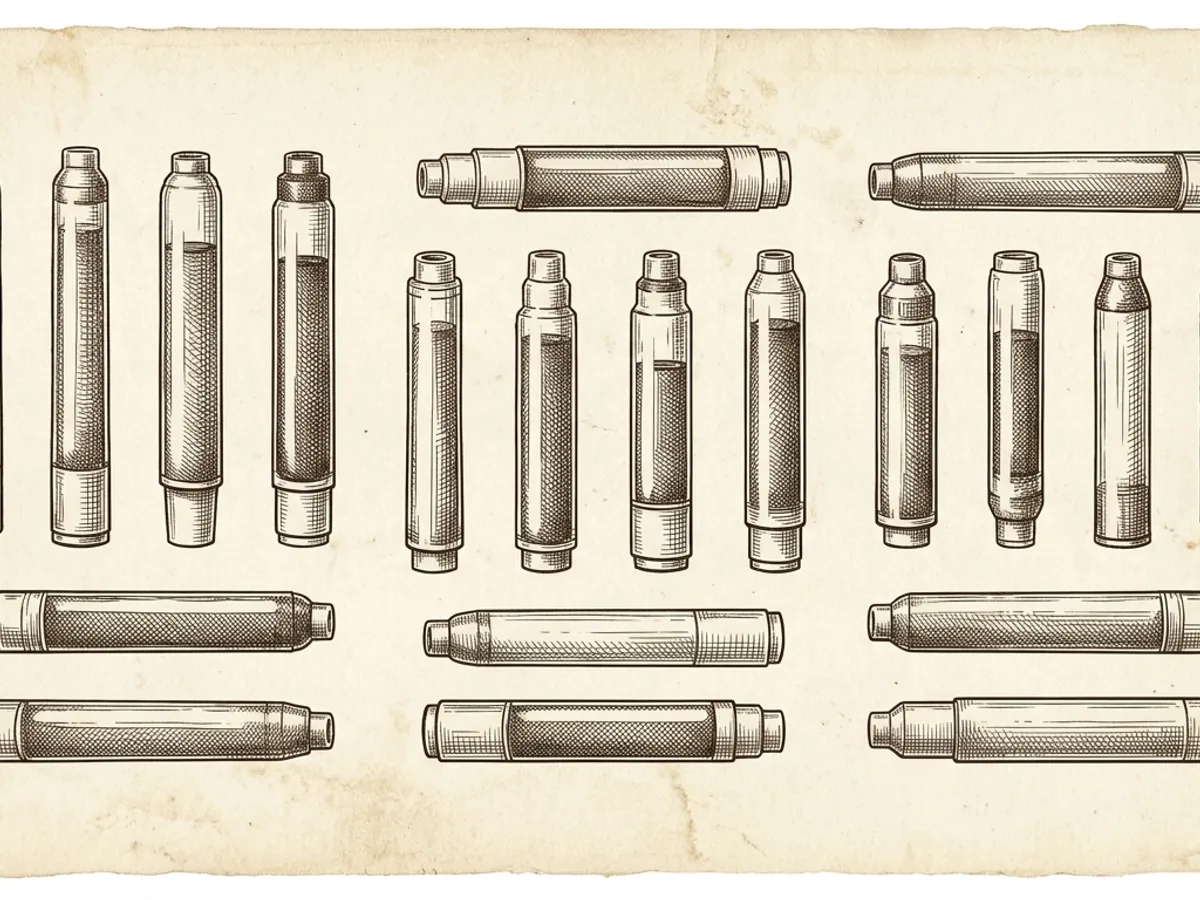
The Kaweco Brass Sport uses standard international short cartridges — the most widely available cartridge format in the fountain pen market. This is one of the Brass Sport’s most practical advantages: standard international cartridges are produced by dozens of brands and available through virtually every pen retailer, both specialist and general. Diamine, Pelikan, J. Herbin, Private Reserve, Kaweco’s own branded cartridges, and many other manufacturers all produce standard international cartridges that fit the Brass Sport without modification or adapters.
The “short” designation matters for the Sport’s compact design. The pen’s grip section accepts only the short version of the standard international cartridge — not the long international variant common with some European brands. Kaweco’s own cartridges come in the correct short format, and most specialist pen retailers who stock standard international cartridges carry the short size as the default.
The pen also accepts a standard international converter in place of a cartridge. This allows filling from any bottled fountain pen ink, opening the full breadth of the ink market: hundreds of colors, including shimmering, sheening, and specialty formulations not available in cartridge form. The filling process is straightforward — submerge the nib in the ink bottle, use the converter’s piston mechanism to draw ink through the nib and feed, then wipe the nib clean before capping.
Kaweco’s own cartridges come in black, blue, blue-black, red, and a handful of seasonal or specialty colors. For access to the full range of fountain pen inks — including Diamine’s extensive color catalog, Pilot Iroshizuku, and boutique ink lines — a standard international converter and a bottled ink will work without restriction. No adapters are required. This open ink compatibility is one of the concrete reasons the Sport format, including the Brass Sport, holds sustained appeal for writers who care about their ink as much as their pen.
Writing Performance and Nib Options
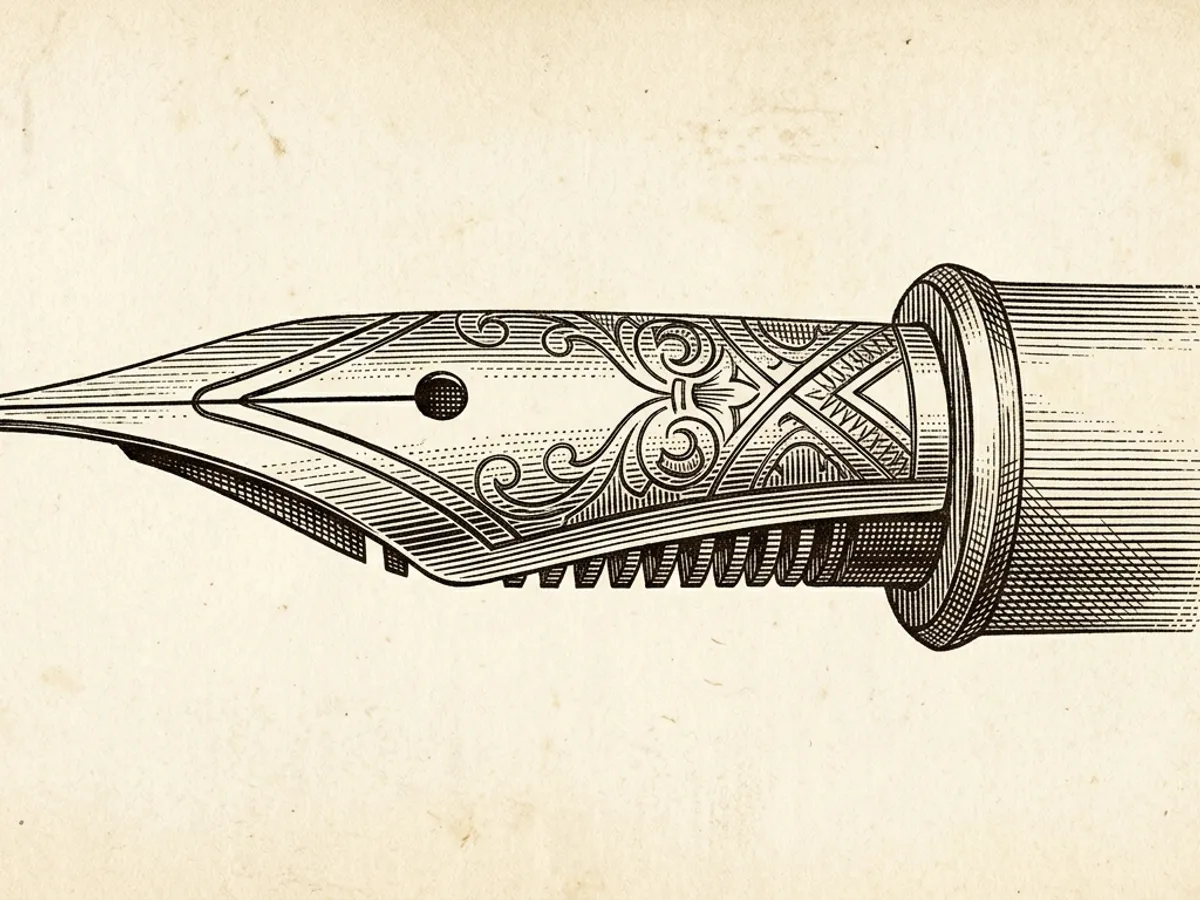
The nib in the Kaweco Brass Sport is identical to the steel nib unit used across the Kaweco Sport family. It is available in extra fine (EF), fine (F), medium (M), and broad (B) sizes. The writing character in any given nib size is consistent regardless of which Sport body material the nib is installed in — a Brass Sport in Medium writes the same as a Classic Sport in Medium. The body affects the feel of the pen in the hand and the weight, not the output on the page.
Kaweco’s Sport nib has a solid reputation among the fountain pen community as a consistent, reliable writer. Ink flow tends toward the drier end of the spectrum compared to wetter-feeding pens such as the Lamy Safari or Pilot Metropolitan — an observation that appears consistently across owner reviews and independent pen community discussions. On fountain-pen-friendly papers such as Rhodia, Leuchtturm, or Clairefontaine, the nib performs cleanly across all available sizes. On cheaper wood-pulp papers, some users note modest feathering with wetter inks, which is consistent with most fountain pens at this tier.
One important calibration note on Kaweco’s size labeling: the nib sizes run comparatively fine relative to European convention. Kaweco’s Fine writes closer to what a European Extra Fine typically produces, and Kaweco’s Medium is roughly equivalent to a European Fine. Writers transitioning from Lamy, Pelikan, or other European brands who prefer a medium-width line will generally find Kaweco’s Medium a more appropriate starting point than Fine. This size offset is consistent across the entire Sport family and is the most commonly cited practical note in first-time Sport owner discussions.
The grip section is short — a structural consequence of the Sport’s compact format. Writers who hold a pen low toward the nib, or who prefer a longer grip area, may find the section constrains their natural hand position. This is a consistent theme across Sport owner feedback and is one reason many Sport owners use the pen as a carry or secondary pen rather than as a full-day primary writer. For extended writing sessions, a pen with a longer barrel and grip section will typically be more comfortable.
The Patina Effect: What to Expect Over Time
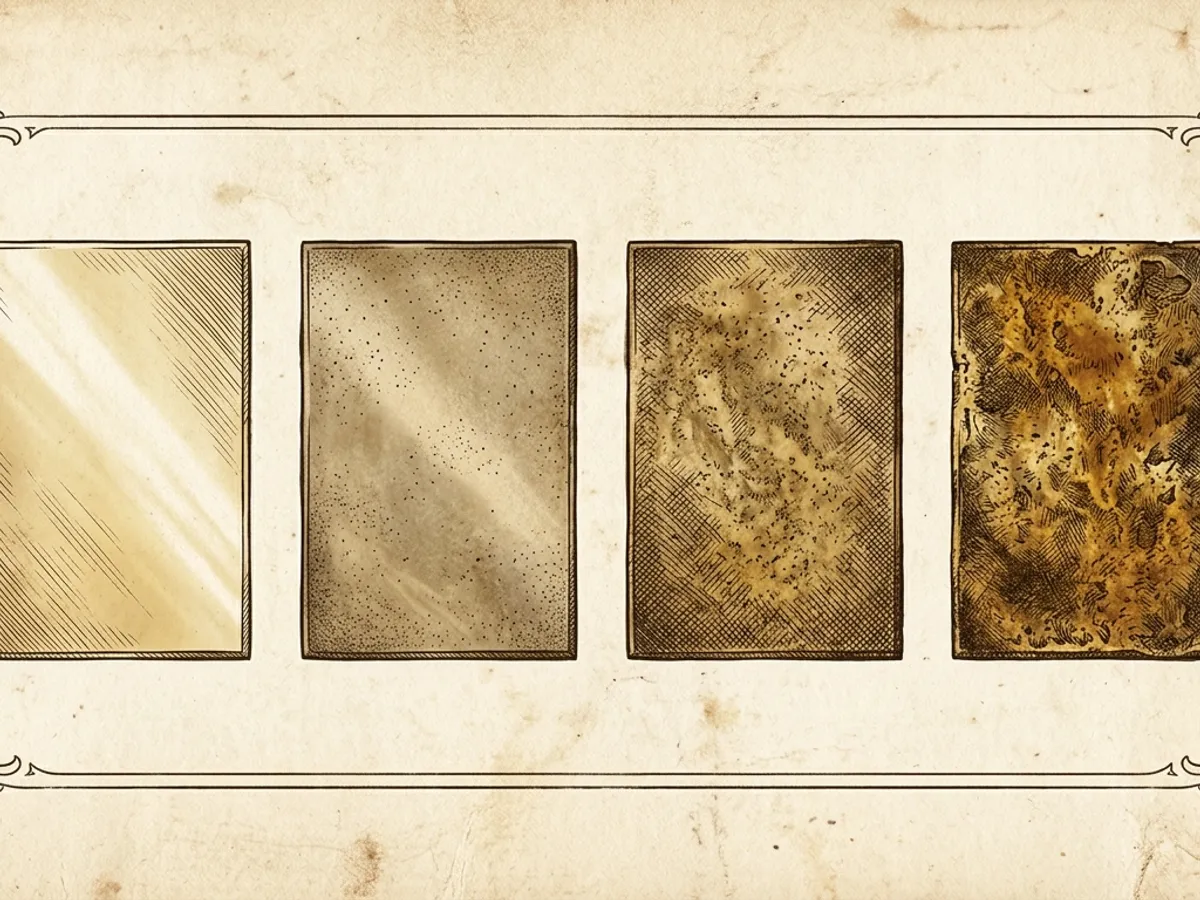
Uncoated brass responds to its environment. Exposure to air and contact with the natural oils from your hands causes the metal surface to oxidize — a process that produces visible color changes that accumulate and shift over weeks and months of regular handling.
In practice, the earliest visible changes appear in the areas of highest contact: the cap crown, the clip, and the areas of the barrel you grip most naturally during writing and carry. These high-contact zones show the first color shifts — from bright brass toward deeper golden tones — while less-touched areas remain comparatively bright. Over months, the overall surface tone moves toward richer, darker hues, with variation that reflects exactly how the pen has been carried and used. The result is a surface record of the pen’s history.
The rate of patina development varies with environment and frequency of handling. A pen carried daily in a trouser pocket and used every day will shift noticeably within a few months. A pen used occasionally will change more slowly. Ambient humidity, the acidity of the owner’s skin, and environmental air quality all play minor roles in the rate and tone of the change.
Opinions on the patina process divide along personal preference lines that are easy to identify in advance. Many Brass Sport buyers select the pen specifically because of its material character — the pen aging uniquely to its owner is part of the appeal, and the patina is understood as evidence of use rather than wear. Others find the uneven early-stage color shift less attractive and prefer either a more controlled approach (some owners use deliberate aging methods documented in fountain pen communities) or a material that maintains a consistent appearance.
If a consistent, stable appearance over time is the priority, the Kaweco Al Sport — available with an anodized finish in a range of colors — is a more appropriate choice. Anodized aluminum resists patina and maintains its appearance much longer under normal use conditions. The Brass Sport is designed to be embraced or knowingly avoided on this basis; it is not a pen whose aging can be fully controlled.
Who Should Buy the Kaweco Brass Sport
The Brass Sport has a clear audience, and understanding whether you are in it makes the buying decision straightforward before committing to a significant price premium over the plastic Classic Sport.
Buyers who prefer heavy compact pens. The Classic Sport is notably light for its size — a consequence of the ABS plastic body. The Brass Sport is substantially heavier, and the shift in hand feel is significant. Writers who find ultra-light pens uncomfortable, or who prefer a pen with more perceived solidity, will find the added mass of the brass body more grounded and satisfying than the Classic Sport’s featherweight feel. This weight preference is the most commonly cited practical reason experienced fountain pen users give for choosing the Brass Sport over its plastic sibling.
Writers drawn to materials that develop character. The patina of brass has a broad following among people who value objects that become more personal with use — leather, unfinished wood, bronze hardware. The pen you own in three years will look different from the pen you unboxed, and for buyers who find that prospect appealing rather than unsettling, the Brass Sport fits a consistent aesthetic.
Kaweco Sport enthusiasts. Within the Sport ecosystem, the Brass Sport is a canonical material variant. For anyone who has acquired different Sport models across colors or materials, the Brass Sport is a natural and meaningful addition.
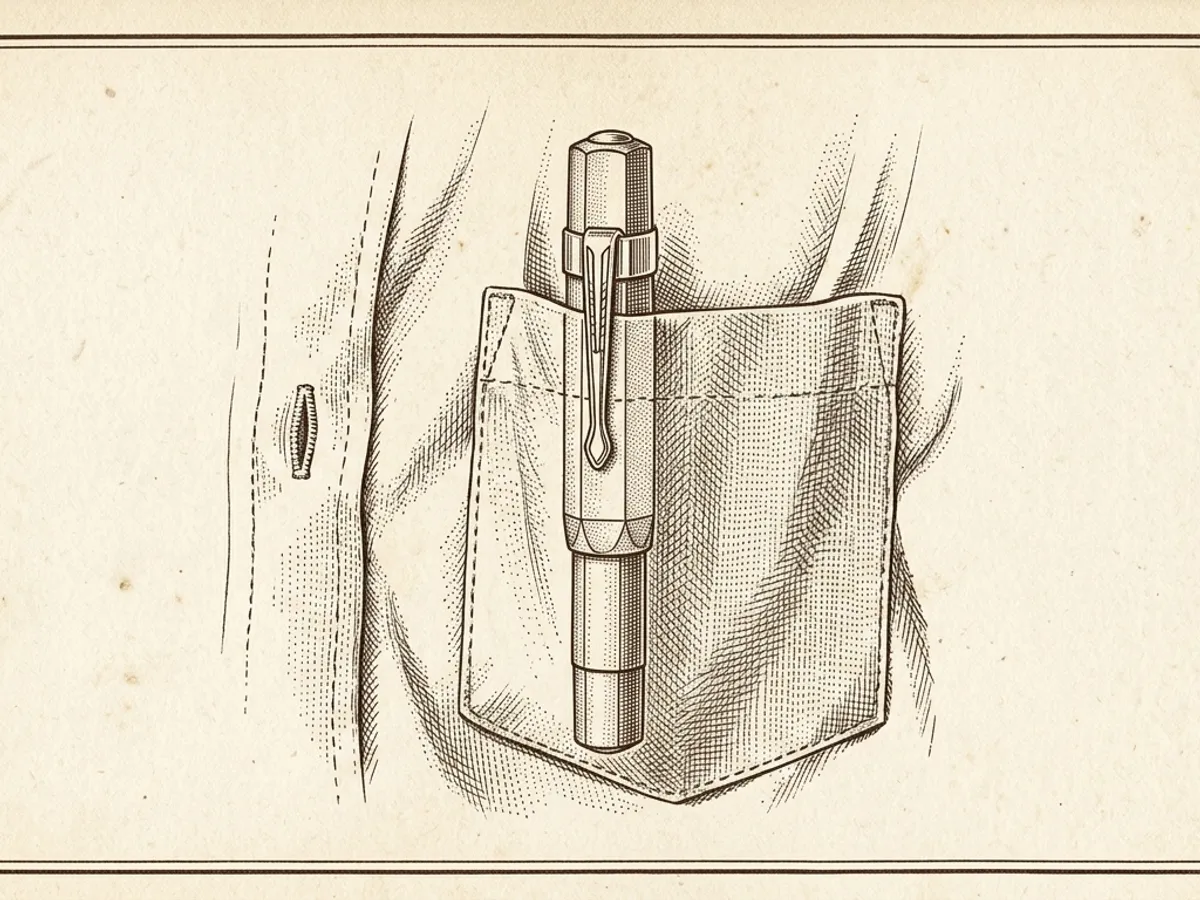
Compact carry pen users. The Sport’s capped dimensions make it genuinely pocket-sized in a way that most fountain pens are not. Writers who carry a pen in a shirt pocket or jacket breast pocket will find the Sport format — regardless of body material — unusually convenient for daily carry. Posting the cap onto the barrel end extends the pen to a comfortable writing length without adding bulk.
Writers considering this as a primary pen. The Brass Sport’s nib, cartridge system, and ink output make it a capable everyday pen for writers who prefer a compact format. The weight may or may not suit extended writing sessions depending on individual grip pressure and writing duration — this is a subjective variable that owner reviews do not converge on, and personal preference will determine whether the heavier brass body aids or fatigues during long sessions.
Who should look elsewhere: Anyone primarily interested in the Sport for its portability or its ink system who is indifferent to material weight and character should buy the Classic Sport instead. The writing experience is not diminished by the plastic body. Writers on a budget will find the Classic Sport achieves the same output on the page for a fraction of the Brass Sport’s cost. Anyone who actively dislikes or is neutral about patina development should consider a coated or anodized alternative.
How It Compares to Other Premium Compact Pens
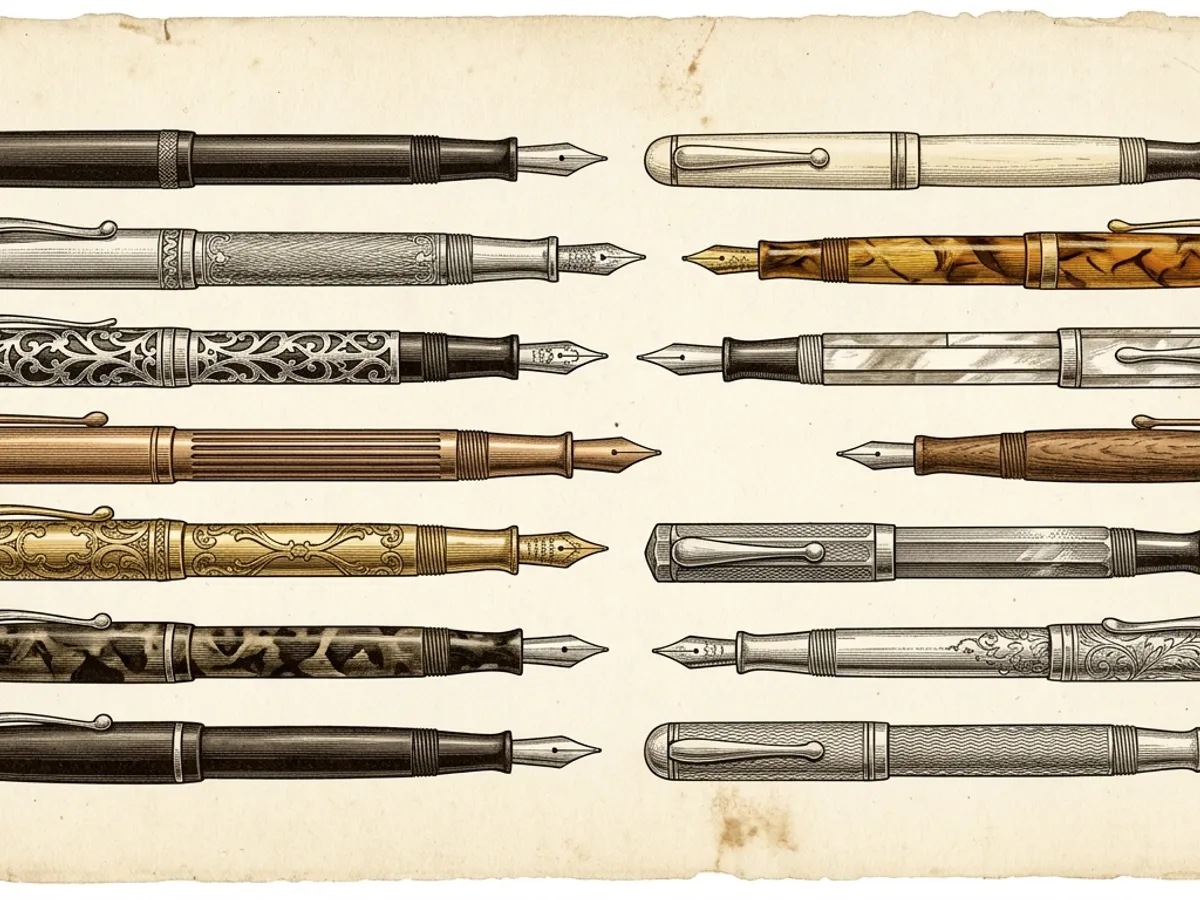
The Brass Sport operates in a specific market: premium-material compact fountain pens for buyers who want something beyond entry level without moving to a larger, more complex pen. For a map of the full lineup, see our guide Kaweco Fountain Pens: Which Model Is Right for You?
Kaweco Classic Sport is the most useful comparison baseline and the most important one. The writing experience is identical — same nib unit, same filling system, same grip geometry, same cap mechanism. The Brass Sport’s premium over the Classic Sport buys you material, weight, and patina aging. For writers who care most about what appears on the page, the Classic Sport achieves the same result at a considerably lower price. It remains the correct starting point for anyone new to Kaweco pens or to compact fountain pens generally. Kaweco Classic Sport on Amazon
Kaweco Al Sport uses aluminum — lighter than brass, with an anodized finish that resists patina and maintains a consistent appearance. The Al Sport costs less than the Brass Sport and appeals to buyers who want a metal-body Sport without the weight or the aging process of bare brass. If metal construction is desirable but the weight and patina of brass are not, the Al Sport is the more appropriate comparison.
Lamy AL-Star offers an aluminum body with a more ergonomic grip section, larger ink capacity per fill, and Lamy’s standard steel nib lineup. It costs less than the Brass Sport and flows with more ink wet than the Kaweco nib typically does. The AL-Star uses Lamy’s proprietary T10 cartridges, which narrows cartridge compatibility considerably compared to the Brass Sport’s standard international system — the T10 format is not shared with other brands. For buyers who prioritize ergonomics and value over compact size and broad ink access, the AL-Star is a practical alternative in the same conversation. Our Lamy AL-Star Fountain Pen Review covers it in full.
TWSBI Eco brings a demonstrator aesthetic, a built-in piston filling mechanism, and substantially higher ink capacity at a lower price than the Brass Sport. It is not compact in the Sport sense and represents a different set of priorities — capacity and writing volume over pocket portability and material character. Writers who spend long daily writing sessions at a desk and want to minimize refilling will find the Eco more suitable; writers who want a pen they can carry anywhere and reach for quickly will find the Sport format better suited to that role.
Our Editorial Verdict
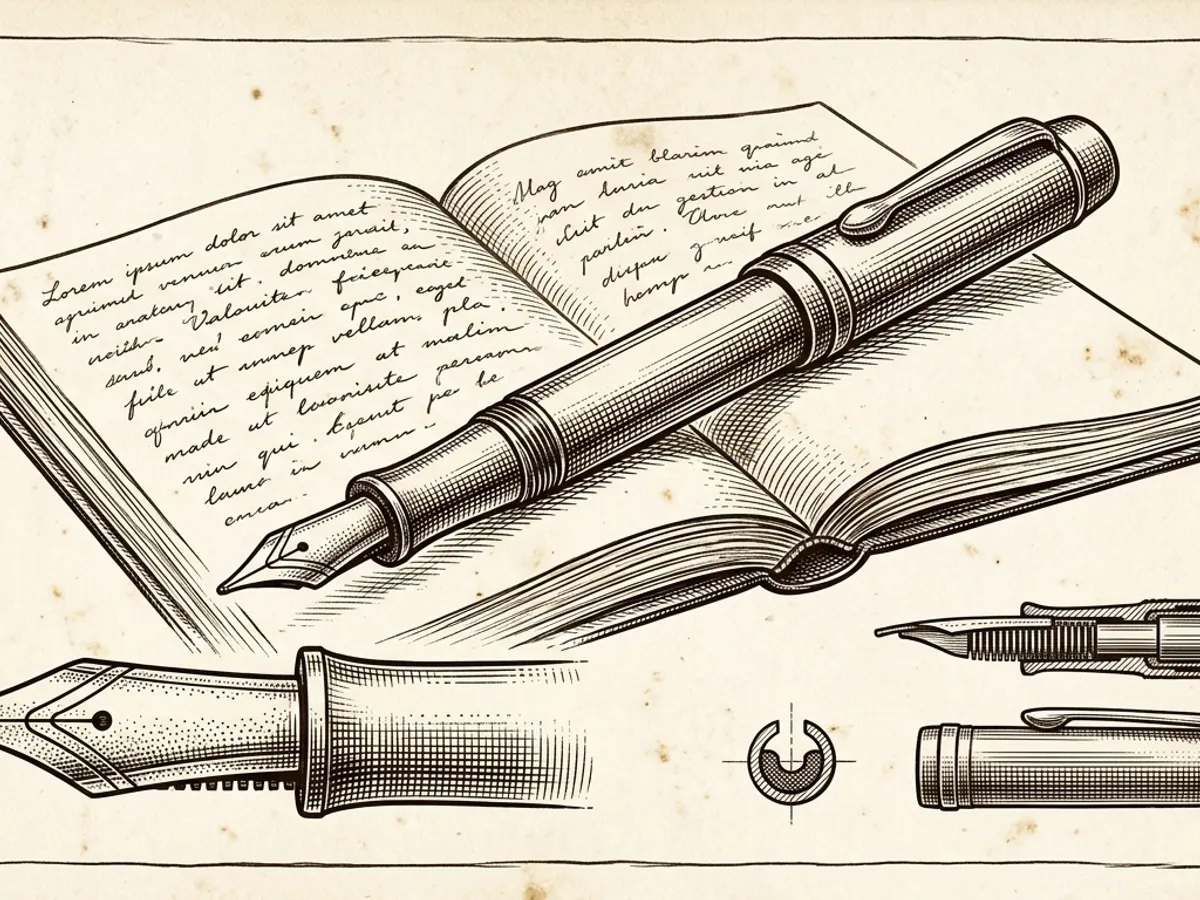
The Kaweco Brass Sport rewards a defined buyer and is easy to evaluate for everyone else — which makes it a less complicated purchase than its price suggests.
If you want a compact, heavy fountain pen in uncoated brass that will develop a patina unique to your use, the Brass Sport delivers exactly that. The nib is reliable across available sizes, the standard international cartridge system gives you access to the full ink market, and the Sport format has a proven track record in compact fountain pen design. The pen earns its premium on the basis of what it is — a material-forward writing instrument that changes over time.
If the appeal of the Sport line is primarily its portable format, its consistent nib, or its broad ink compatibility, the Classic Sport delivers all of that without the Brass Sport’s weight or cost. The writing experience does not improve with the brass body — only the material character and the hand feel change. Buy the Brass Sport for what it uniquely offers, and buy the Classic Sport for everything else the Sport does well.