
This site is reader-supported. As an Amazon Associate we earn from qualifying purchases. When you buy through links on this page, we may receive an affiliate commission at no additional cost to you. Our editorial picks are independent of commercial relationships.
Why Kaweco Has Such a Devoted Following
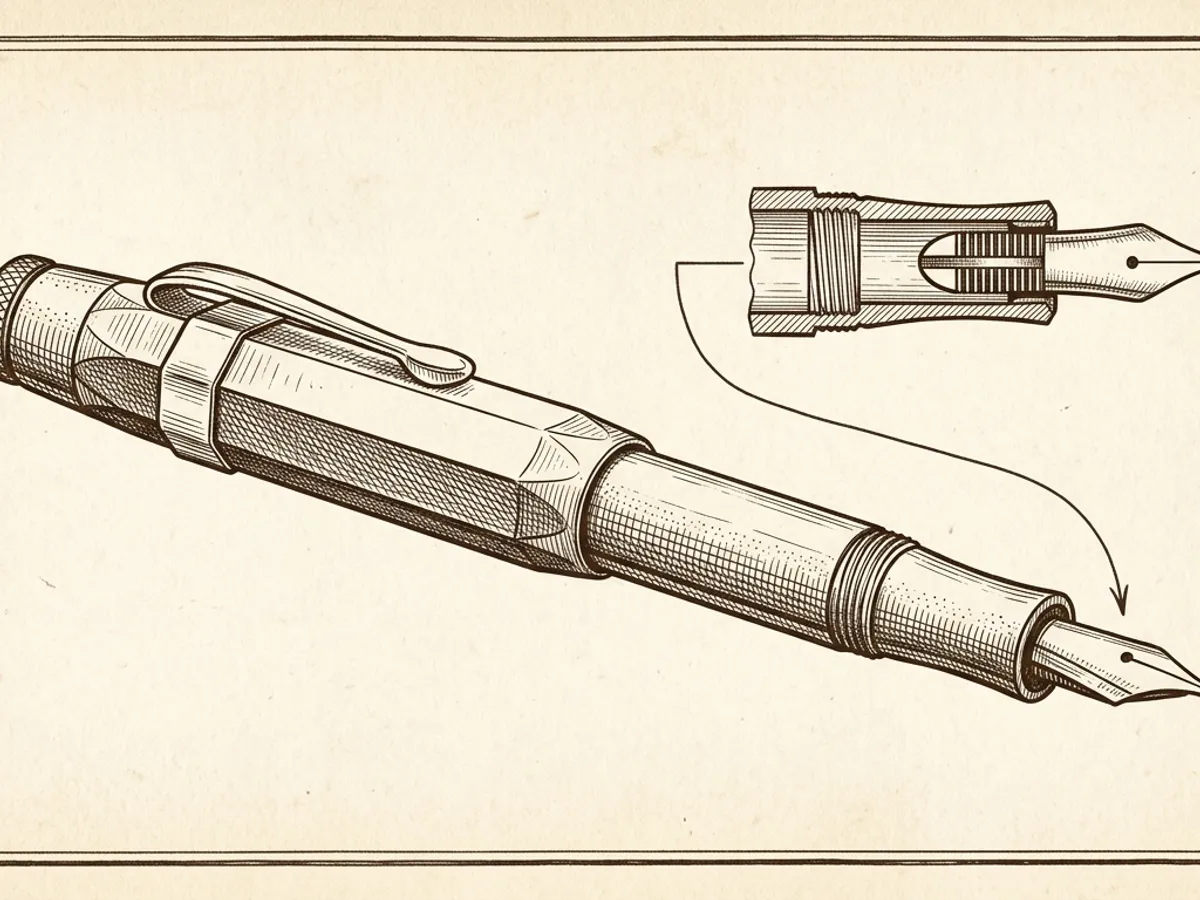
Few fountain pen brands generate the loyalty that Kaweco does. In online communities and pen shops alike, the octagonal outline of a Kaweco Sport appears in nearly every conversation about carry pens. The brand’s enduring appeal comes from a specific combination that is harder to achieve than it looks: genuinely pocket-sized dimensions, a design language rooted in early-twentieth-century aesthetics, and writing performance that competes with pens costing considerably more.
Kaweco is a heritage German brand whose octagonal Sport design dates to 1935 and has remained in continuous production in various forms since then. What sets Kaweco apart in the current market is the clarity of its lineup: a small number of well-executed models, each with a specific use case, all sharing the same ink system and a consistent visual identity. Whether you choose an entry-level Perkeo or the heavier Brass Sport, the design philosophy is immediately recognizable.
The lineup can seem overwhelming at first because so many variants exist, but the structure is simple: the Sport is the core model in acrylic and two metal variants; the Perkeo is the budget-friendly wider-grip option; and the Liliput sits at the extreme miniature end. Understanding those three tiers makes every other purchasing decision straightforward.
The Kaweco Sport: The Pocket Pen That Defines the Brand
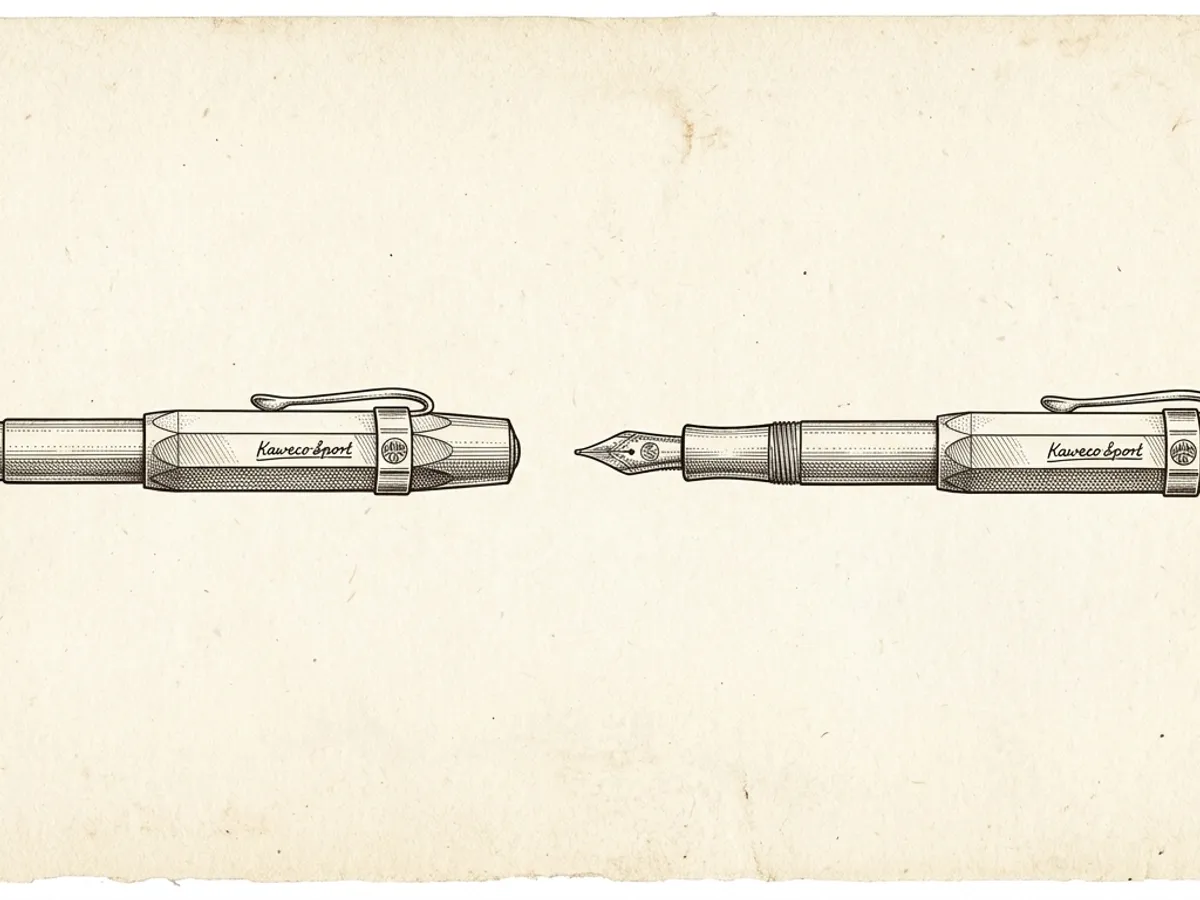
The Kaweco Sport is where most enthusiasts start, and it earns that entry-point status. Capped, it measures approximately 10.5 cm — short enough to sit in a shirt pocket without the cap protruding. Posted on the back of the barrel, it extends to a writing length that suits most adult hands. Writers who find short pens awkward typically post it; those who prefer a lighter, more balanced pen leave the cap off.
The eight-sided cross-section does two practical things. First, it prevents the pen from rolling across a desk. Second, it provides a natural register point for your fingers without a rubberized grip section — the flat facets give the hand something to settle against without becoming fatiguing.
The cap threads onto the barrel rather than snapping on. Threading is more secure for pocket carry — the cap will not pop off accidentally — but uncapping is slower than a snap cap, which is worth considering if you reach for a pen frequently to jot brief notes.
Nib performance. Kaweco’s steel nibs deliver consistent results for the price. The Medium is the most popular choice for everyday writing; it lays down a comfortable wet line on quality paper. The Fine writes noticeably drier and handles notebooks with thinner paper better. The Extra Fine is appropriate for small handwriting or annotation but rewards paper that handles ink well — on cheap paper it may feather.
The Classic Sport is available in a range of acrylic colors, with certain colors sold year-round and others rotating seasonally. The pen ships with one standard international short cartridge included.
Kaweco Classic Sport Fountain Pen (Medium)
Kaweco Classic Sport Fountain Pen (Extra Fine)
Kaweco AL Sport and Brass Sport: The Premium Variants
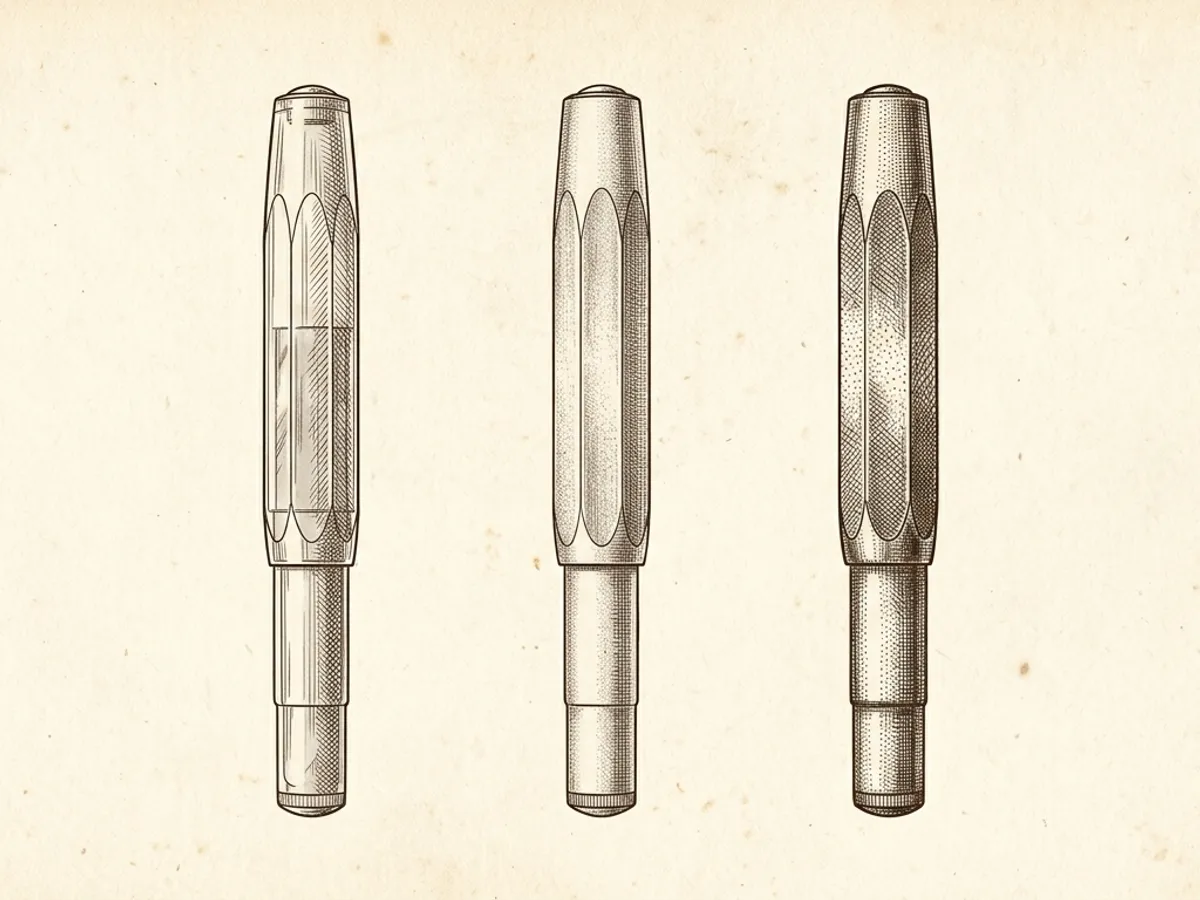
The Sport’s design translates well to metal, and Kaweco produces two versions that share the same barrel geometry, nib, and ink system as the acrylic Sport.
The AL Sport uses anodized aluminum. It is noticeably heavier than the acrylic version but still lighter than most full-sized brass pens. The anodized finish is offered in silver, black, and a handful of other colors; it resists everyday scratches well and maintains its appearance over time. Many writers settle on the AL Sport as the best overall version of the lineup: more substantial in hand than acrylic, but not tiring during longer writing sessions.
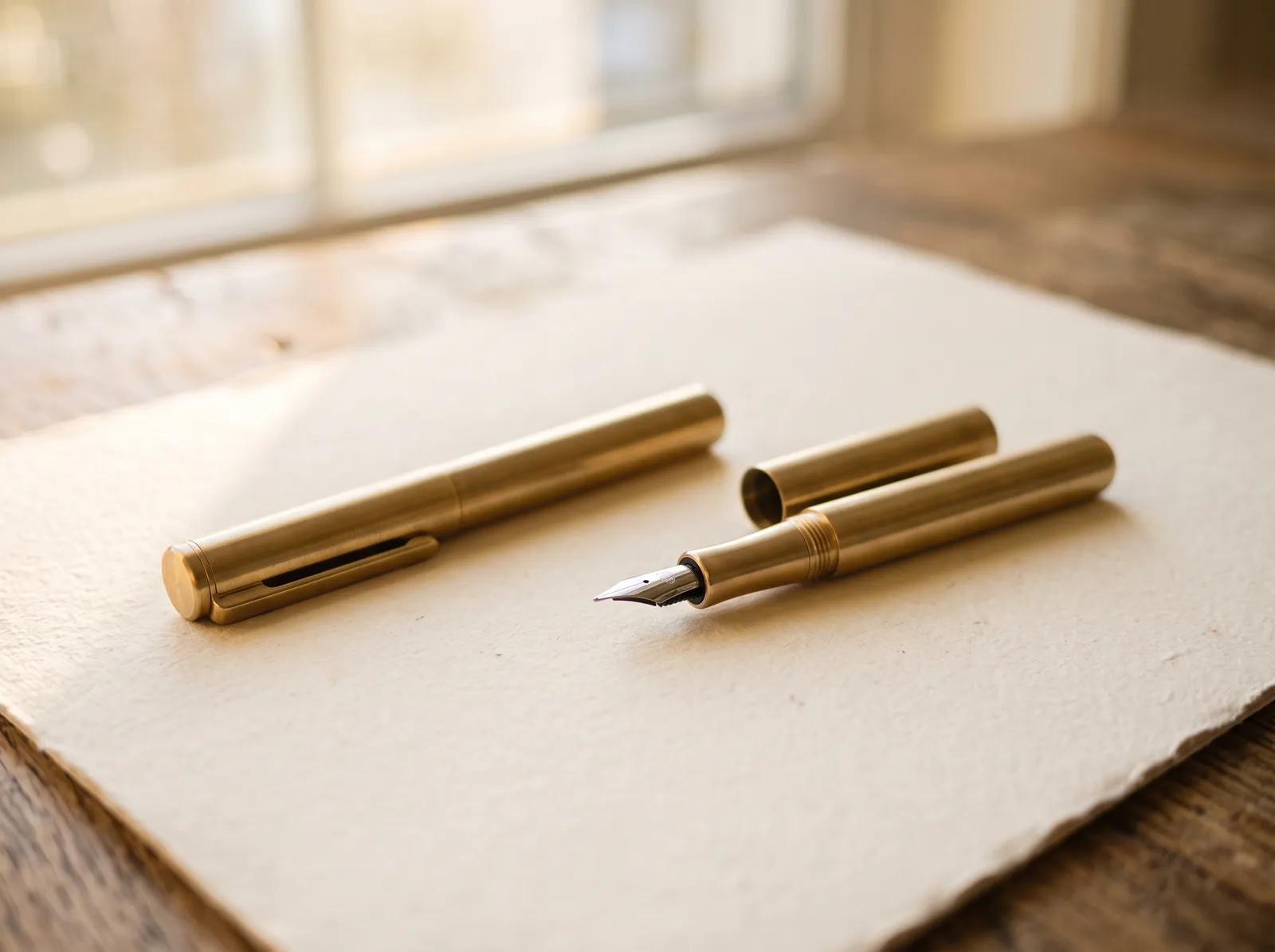
The Brass Sport uses solid brass, which makes it the heaviest pen in the lineup by a meaningful margin. Writers who prefer heavier pens find this particularly satisfying — the extra weight creates a pendulum-like feel that reduces the effort required to move the pen across the page. Brass also develops a patina with handling. Over months of daily carry, the body takes on a warm gold-brown tone where skin oils contact the metal. Whether that patina reads as an appealing sign of use or an unwanted color change depends entirely on personal preference — it can be slowed with a case or reversed with occasional polishing.
Both the AL Sport and Brass Sport are functionally identical to the acrylic Sport in terms of writing. They accept the same standard international cartridges and the same Kaweco squeeze converter. If you want the Sport experience in metal, the AL Sport is the natural first choice; the Brass Sport is for writers who specifically want maximum weight. Our Kaweco Brass Sport Fountain Pen Review covers the brass variant in depth.
The Kaweco Perkeo: The Budget-Friendly Entry Point
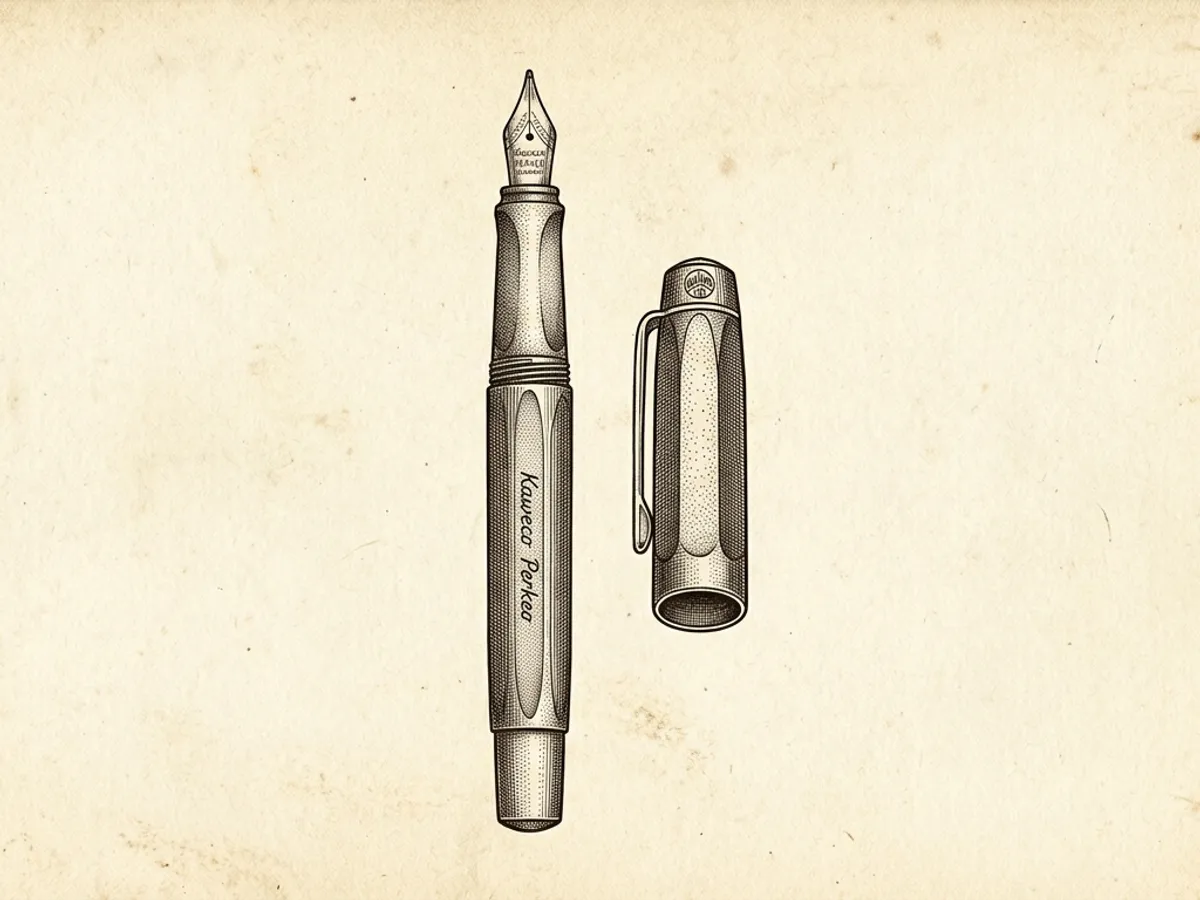
The Kaweco Perkeo was designed to offer the brand’s core writing experience at a lower entry price and with a more conventional grip diameter. Both goals are achieved.
The Perkeo’s barrel is wider than the Sport’s, which makes it more comfortable for writers who find the Sport’s narrow section tiring during extended sessions. The grip is more conventional without being generic — it remains distinctly Kaweco in proportions. Writers with larger hands who find the unposted Sport undersized often prefer the Perkeo as an everyday writer.
The cap snaps onto the barrel rather than threading. This is faster to uncap, which matters when you pull the pen out frequently. The trade-off is a marginally less airtight seal compared to the threaded Sport cap; if you leave the pen unused for several weeks, it may need a short flush before it writes cleanly again.
The All Black variant — matte black body paired with a black steel nib — is the most recognized Perkeo. Owner reviews consistently describe the nib as smooth and reliable for the price point, with a slightly wetter flow than some comparable steel-nib pens in the same range. For a full breakdown of the pen, see our Kaweco Perkeo Fountain Pen Review.
Kaweco Perkeo All Black Fountain Pen
Kaweco Nib Options and Sizing
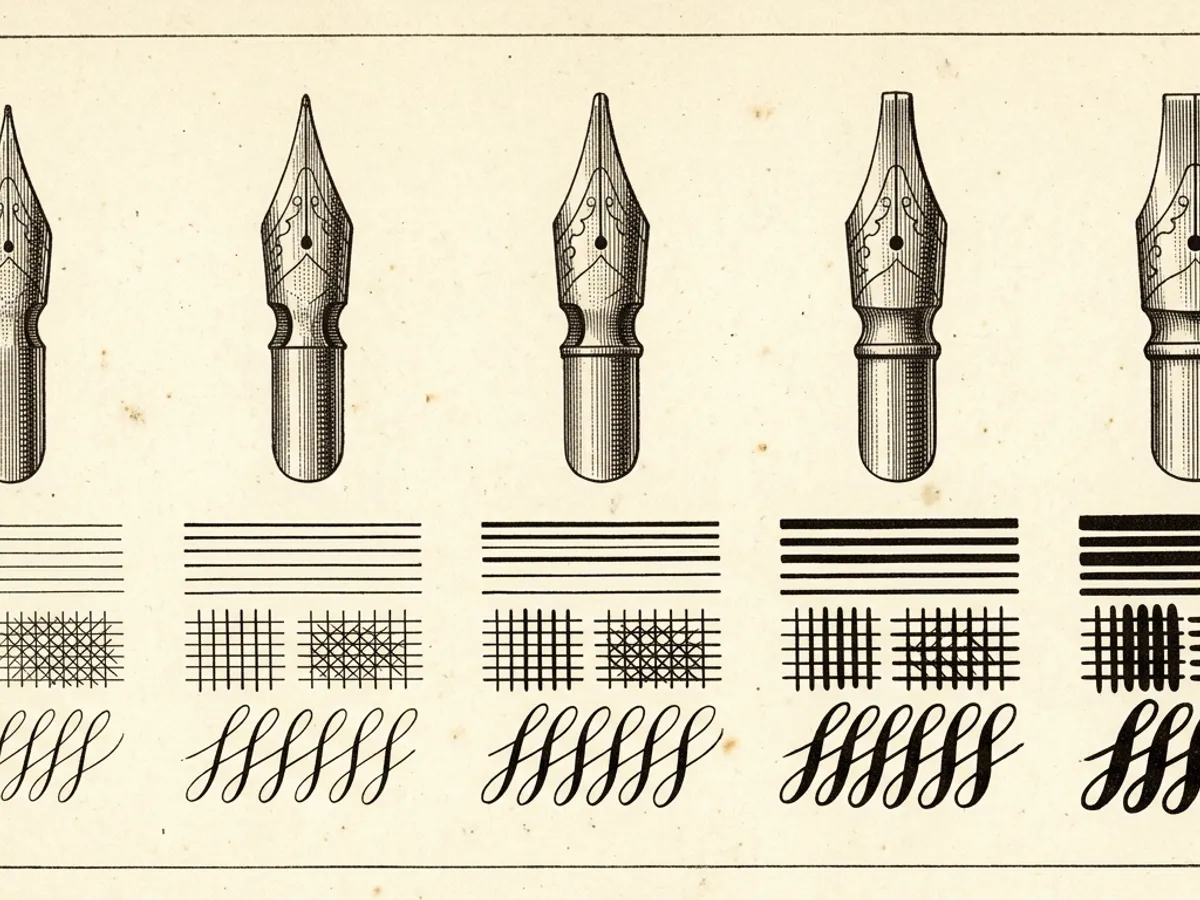
Kaweco uses German nib sizing conventions, which run slightly broader than comparable Japanese nibs at each grade. A Kaweco Medium writes closer to a Japanese Fine-to-Medium in practice. If you are transitioning from a Pilot or Platinum pen and selecting a nib grade based on what you know from those brands, size down one grade when choosing a Kaweco — a Kaweco Fine will feel closer to the Japanese pens you are accustomed to.
Available nib grades (by model and variant):
- EF (Extra Fine): Narrow and dry. Best for small handwriting, detailed annotation, or paper that feathers easily.
- F (Fine): The practical everyday choice. Works reliably across most paper types without being excessively wet.
- M (Medium): The most popular choice in Europe and among fountain pen enthusiasts generally. Wetter and more expressive.
- B (Broad): Wide and wet. Shows ink shading and sheen well; best used on fountain-pen-friendly paper.
- 1.1 Stub: Produces light line variation — thicker on downstrokes, thinner on cross strokes — without requiring calligraphy training.
Not every grade is available in every model or color variant. The acrylic Sport has the widest selection; metal variants and specialty models may have a narrower grade range. Confirm availability for the specific combination before purchasing.
The Kaweco Ink System: Cartridges and Converters
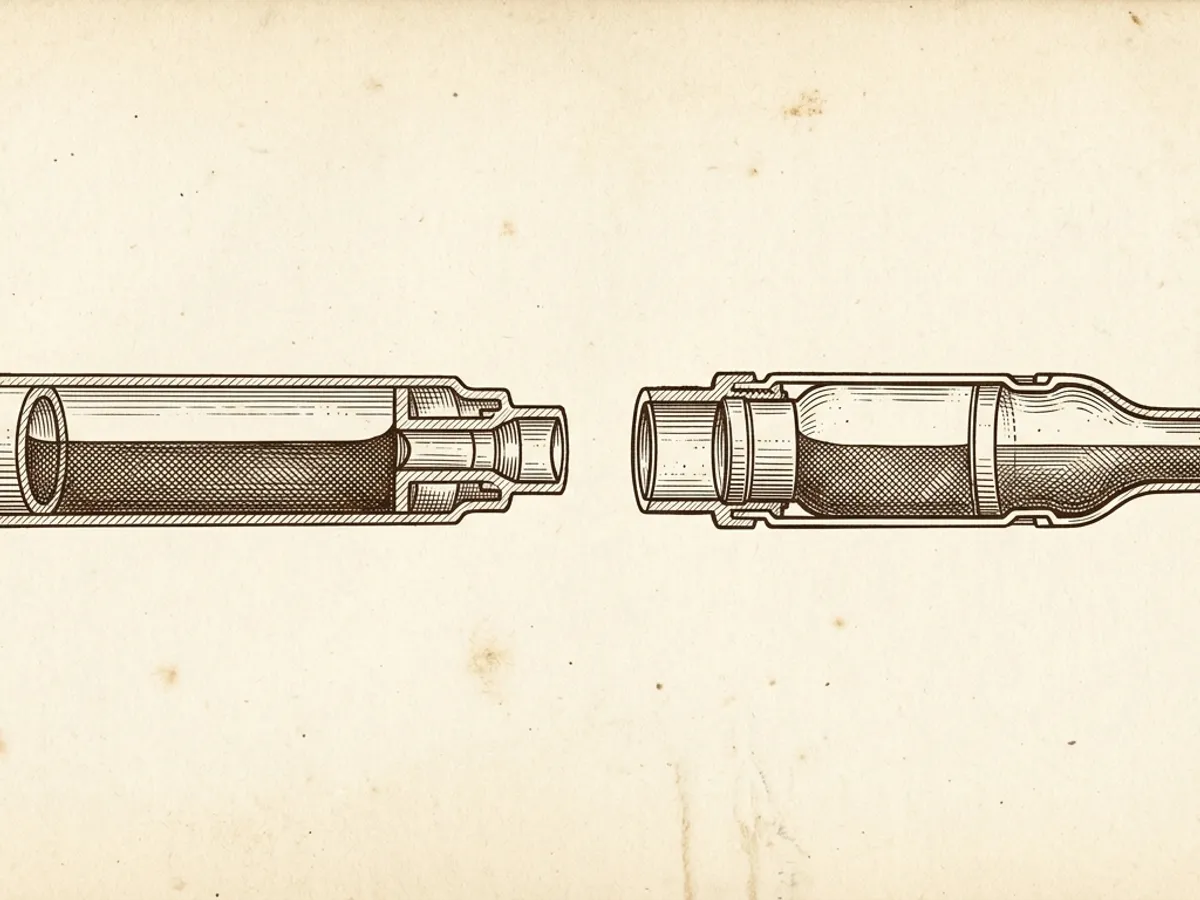
All Kaweco fountain pens except the miniature Liliput use standard international short (SIS) cartridges. This is one of Kaweco’s most practical advantages. Standard international cartridges are produced by many brands — including Kaweco, Diamine, Pelikan, and Faber-Castell — which means you are never locked into a single manufacturer’s ink selection or pricing.
Kaweco also sells a squeeze converter that fits the standard international section, allowing you to fill the pen from bottled ink. Squeeze converters work by compressing the reservoir with your fingers, submerging the nib in ink, and releasing to draw ink in. The converter holds less ink per fill than a piston converter, but it is inexpensive, lightweight, and easy to clean. For writers who want access to bottled inks without investing in a piston-fill pen, this is a practical solution.
A few practical notes on Kaweco’s ink capacity: the Sport’s compact barrel means the converter holds a modest amount of ink. Writers who fill pages each day may find themselves refilling every few days. This is normal for the format — the Sport’s appeal is its pocketability, not its reservoir size. Writers who prioritize ink capacity may find a piston-fill pen like the TWSBI ECO more practical, while those who carry a pen for occasional or moderate daily use will find the Kaweco’s capacity sufficient.
The Kaweco Liliput is a special case. This ultra-compact pen uses a proprietary Kaweco mini cartridge rather than the standard international format. If you want ink variety from the Liliput, you are limited to Kaweco’s own cartridge colors — a meaningful constraint compared to the rest of the lineup.
Which Kaweco Fountain Pen Should You Buy
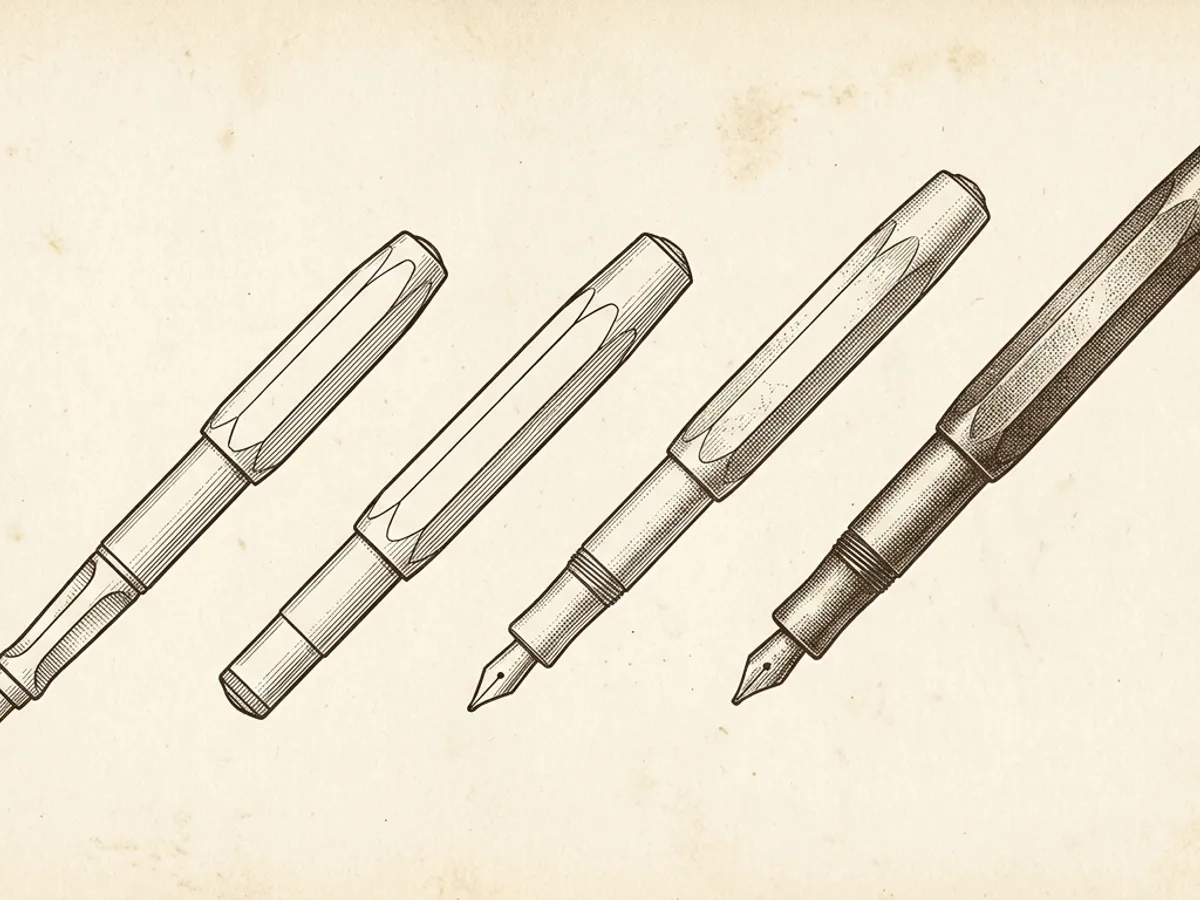
For most people, the Kaweco Classic Sport in Medium or Fine is the right starting point. The price keeps the purchase low-risk. The standard international ink system gives you access to a wide range of inks from many brands. The nib is reliable and consistent. And the octagonal pocket-pen form is genuinely unlike anything else on the market at the price. For how the Sport compares against entry-level picks from other brands, see our guide to the best budget fountain pens.
If the Sport’s narrow barrel is uncomfortable for longer writing sessions, move to the Perkeo first. The wider diameter and faster snap cap make it more practical as an everyday desk or note-taking pen. The nib quality is comparable to the Sport, and the price difference between the two is small.
If you want a pen that withstands daily pocket carry, the AL Sport justifies its higher price. Anodized aluminum resists scratches better than acrylic, and the finish holds its appearance over extended use. The added weight makes the pen feel more substantial without becoming tiring.
If you specifically enjoy writing with heavier pens, the Brass Sport delivers that experience in a compact format. It is a more deliberate purchase — the right choice for someone who already knows they prefer weight in a pen.
The one context where a Kaweco may not be the ideal choice: writers who fill multiple pages every day and want to minimize refill frequency. The Sport’s compact ink reservoir is a direct consequence of its compact size. For high-volume daily writing, a larger piston-fill pen handles ink logistics more conveniently, and the Kaweco makes more sense as a second carry pen or a travel companion rather than a primary workhorse.