
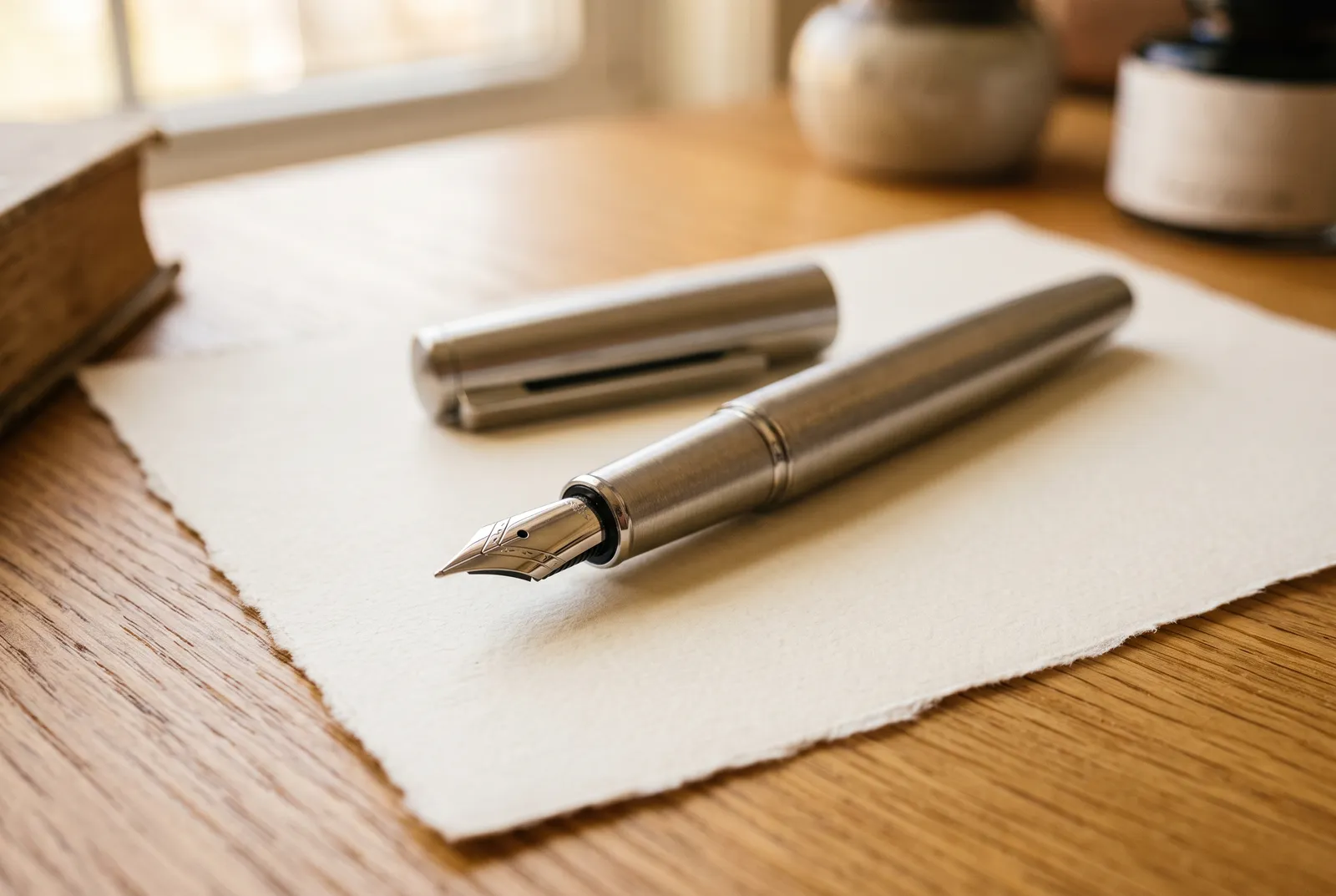
This site is reader-supported. As an Amazon Associate we earn from qualifying purchases. When you buy through links on this page, we may receive an affiliate commission at no additional cost to you. Our editorial picks are independent of commercial relationships.
What Is the Lamy Studio?
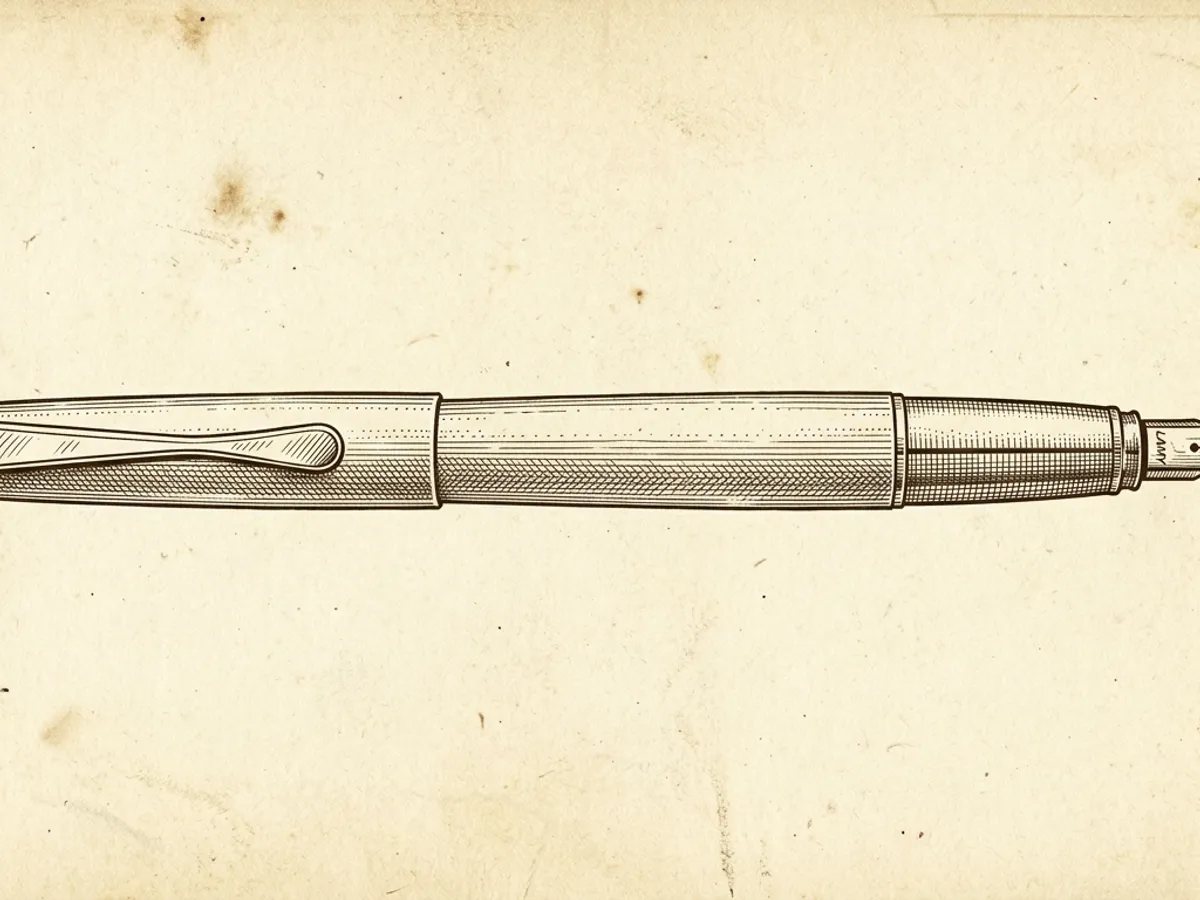
The Lamy Studio sits in the middle of Lamy’s fountain pen lineup — above the entry-level Safari and Al-Star, and below the flagship Lamy 2000. It is a metal-bodied pen aimed at writers who want an all-day carry with a more refined look than Lamy’s entry-level options, without stepping into the price range of fine German or Japanese luxury pens.
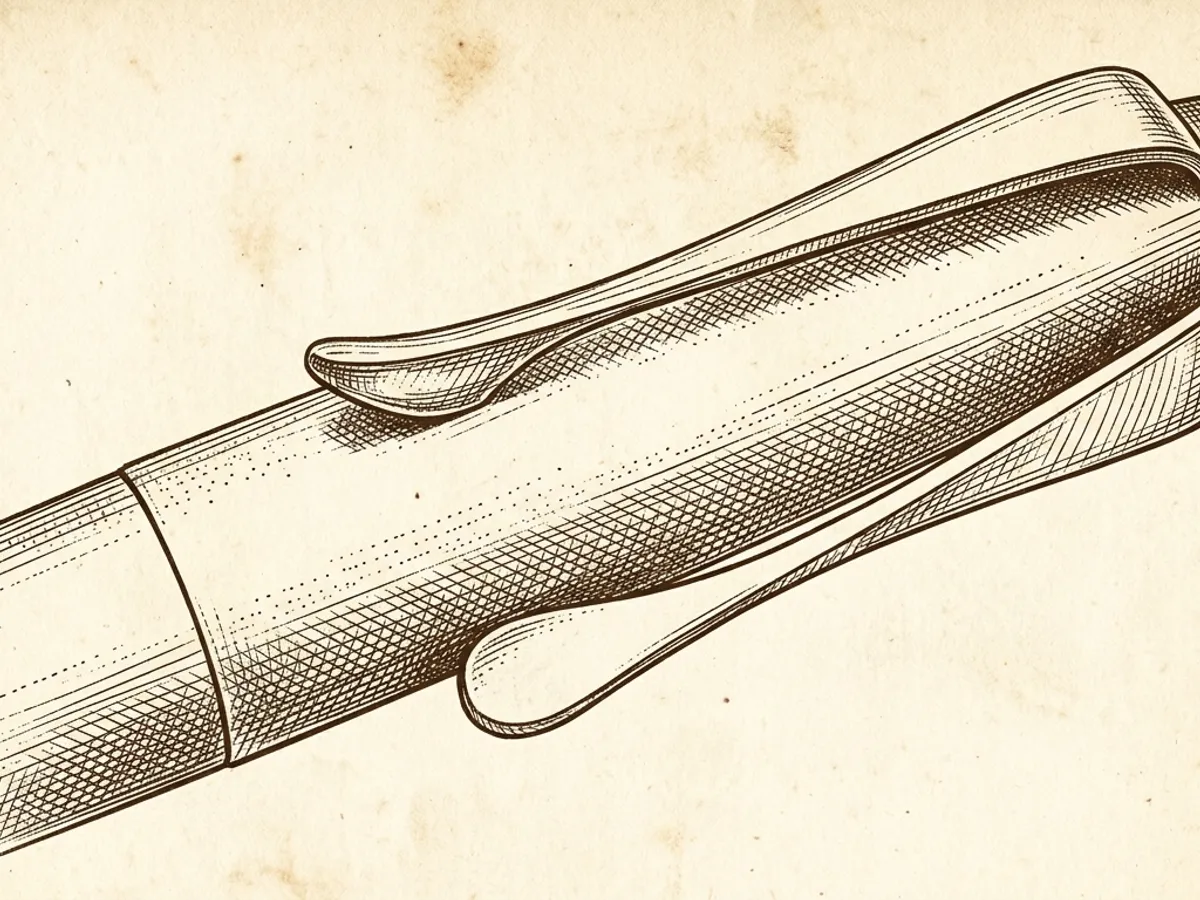
Designed by Hannes Wettstein, the Studio was built around deliberate simplicity: clean cylindrical geometry, restrained detailing, and one distinctive design feature — the propeller clip. That rotating wing clip has become one of the most photographed details in the mid-range fountain pen market, instantly identifiable even in a crowded field of metal pens.
The Studio is a core Lamy range pen, not a limited offering. It appears in a rotating series of seasonal colours alongside permanent finishes such as Palladium, Matte Black, and Piano Black. If you are comparing it to the Safari or Al-Star, the essential differences are: body material (metal versus resin and anodized aluminum), grip texture, overall weight, and price. Everything else — the nib, the ink system, the converter — is shared across the Lamy family.
Build Quality and Design
The Studio’s body is metal, primarily aluminum with surface treatments that vary by finish. This gives it a noticeably different feel compared to the Safari’s ABS plastic body or the Al-Star’s lighter aluminum shell. The Studio is heavier, which some writers prefer for a confident, weighted feel, and which others find tiring over very long writing sessions.
The grip section is anodized aluminum, machined with a slight taper but without the Safari’s rubberized insert. This is worth knowing before you purchase: owner reviews consistently flag that the smooth grip can feel slippery, particularly for writers with dry hands or those writing in warm conditions. The Studio lacks the textured rubber that makes the Safari comfortable across extended sessions.
The propeller clip is genuinely functional as well as distinctive. Its wing geometry allows it to clip over a wider range of pocket liners, notebook covers, and shirt pockets than a simple bar clip, and it rotates freely — it does not lock in place. Cap fit is secure, and the pen posts firmly on the barrel if you prefer writing posted. Posted, the pen becomes noticeably back-heavy, which most writers find uncomfortable; the Studio is best used uncapped.
The Studio is offered in steel-nib and Palladium-nib variants. The standard version uses Lamy’s interchangeable steel nib in a matte finish. Palladium-coated nib versions exist at a premium; they perform identically to the steel nib variants from a writing standpoint, the difference being purely aesthetic. The steel nib is more than sufficient for the vast majority of writers.
Construction quality is consistent with what Lamy delivers across its range: tight tolerances, no rattling, smooth cap action. The Studio is not a delicate desk ornament — it is designed to be used daily.
Nib Options and Writing Performance
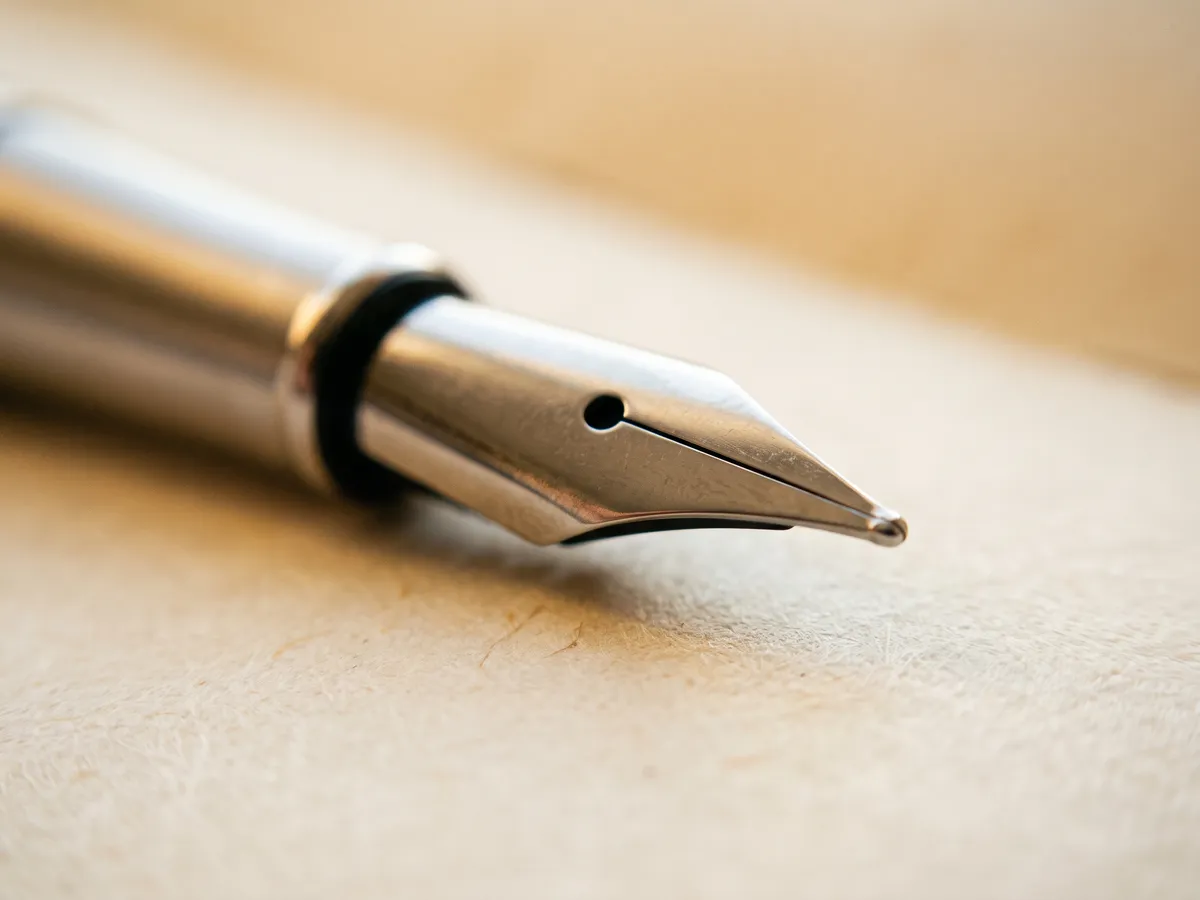
The Lamy Studio is available with nibs in Extra Fine (EF), Fine (F), Medium (M), and Broad (B). These are the same interchangeable nib units used in the Safari and Al-Star. If you have already written with a Lamy nib on a cheaper pen in the range, the Studio will write identically.
Lamy’s steel nibs are manufactured to a consistent standard that independent pen reviewers and longtime owners describe as reliable, wet, and immediate. The Medium nib is particularly popular: it delivers a flowing, generous line that feels confident on most paper stocks without producing excessively wide marks. The Extra Fine, by contrast, is consistently described as drier and scratchier than Lamy’s wider sizes — a characteristic of the EF across the entire Lamy range, not something specific to the Studio.
Because Lamy nibs are interchangeable, the Studio is also compatible with Lamy’s calligraphy nib units: 1.1 mm, 1.5 mm, and 1.9 mm italic stub nibs that screw off and on in seconds. This flexibility is one of the genuine practical advantages of choosing any Lamy pen — you can explore nib styles without committing to a second pen.
Lamy nibs carry a reputation as reliable “writers’ nibs”: consistent, immediately responsive, and requiring no adjustment or break-in period. New Studio owners rarely report startup issues. The pen should write reliably from the first fill, without the nursing that some other brands’ pens sometimes need.
Ink System: Cartridges and Converter
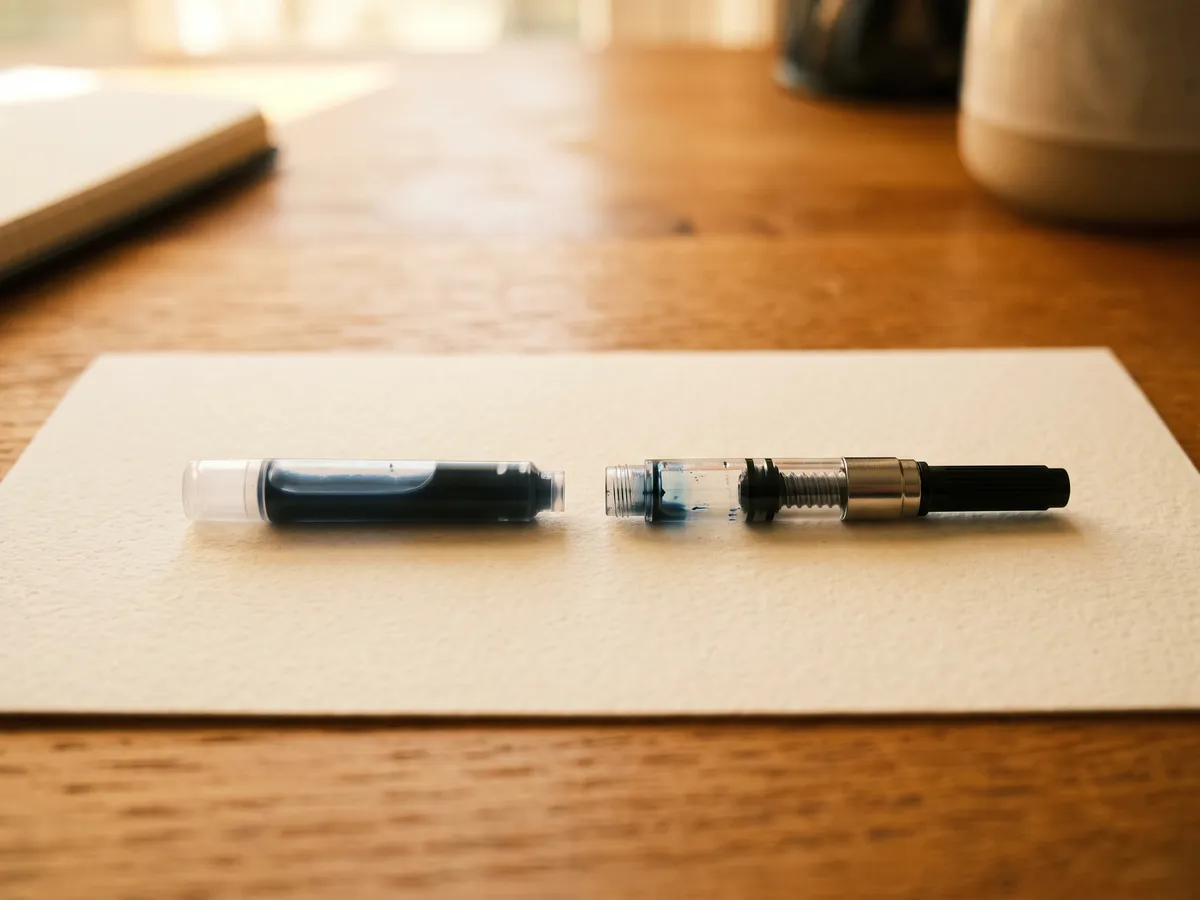
The Lamy Studio uses Lamy’s proprietary ink system — not standard international. Standard international cartridges do not fit Lamy pens. The Studio accepts only:
- Lamy T10 cartridges — Lamy’s own single-use ink cartridges, available in around a dozen colours. They are widely stocked at office supply retailers, art stores, and online. For more detail on what’s available, see our guide to Lamy cartridges.
- Lamy Z26 converter — Lamy’s piston converter, which replaces the cartridge and allows the pen to draw bottled ink directly from a jar or ink bottle.
The T10 cartridge installation is simple: remove the grip section and nib unit from the barrel, push a cartridge in until it clicks, reassemble, and the pen fills by capillary action within seconds. A gentle shake or two speeds things up.
The Z26 converter extends the Studio into the world of bottled inks. Twist the converter’s piston fully down, submerge the nib section in your chosen ink, and draw the piston up to fill. Lamy sells a range of bottled inks in their T52 bottle format, but the converter accepts any water-based fountain pen ink regardless of brand. Diamine, Pilot Iroshizuku, Noodler’s, Robert Oster, and dozens of other ink makers are all compatible with the Studio via converter.
The ink capacity with the Z26 converter is modest by piston-fill standards. High-volume writers — those who fill multiple pages daily — will find themselves refilling more often than they would with a dedicated piston-fill pen like the TWSBI Eco. For most writers, the capacity is more than sufficient for a full day’s use.
How the Lamy Studio Compares
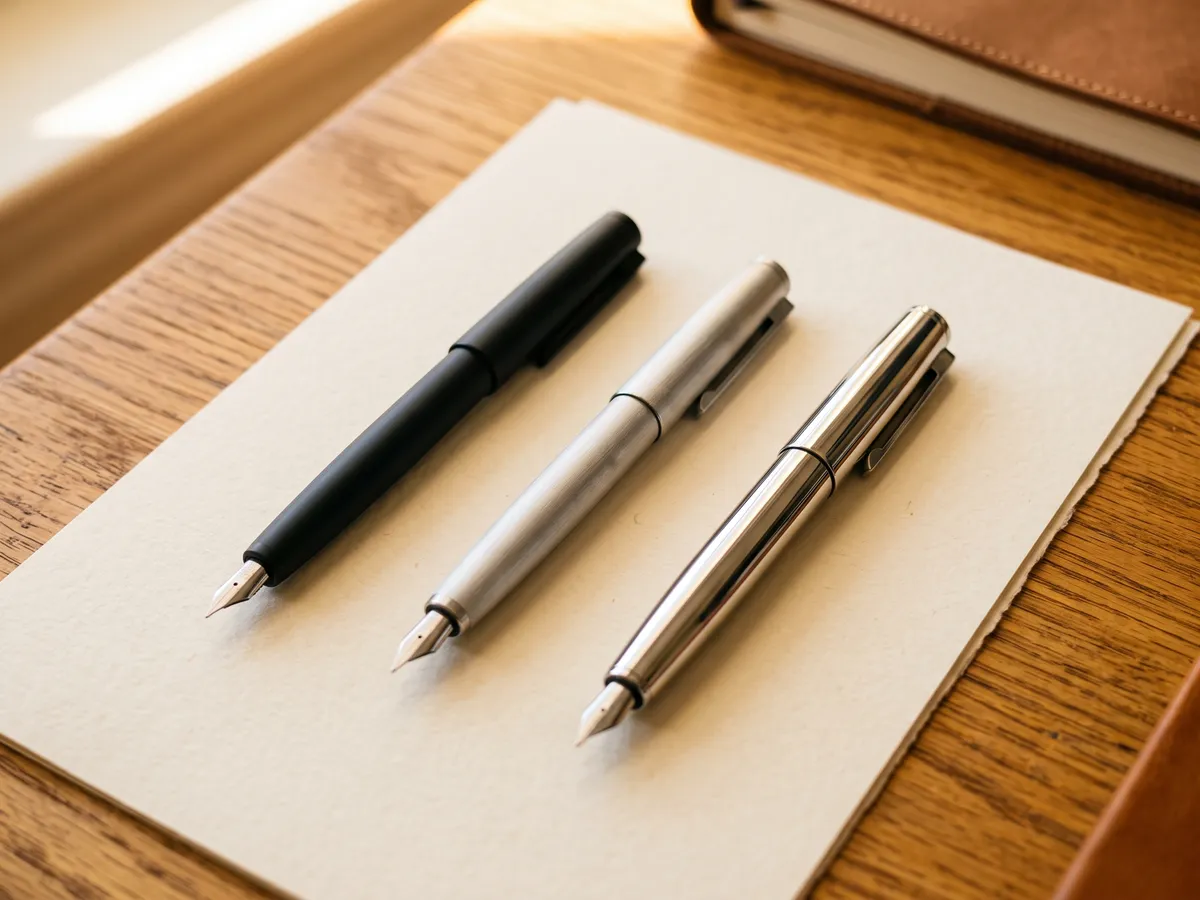
The Studio’s most useful comparisons are against Lamy’s own range and a few key external competitors at a similar price.
Lamy Studio vs. Lamy Safari: The Lamy Safari is the natural predecessor. The Safari is lighter (ABS plastic body), has a triangular rubber grip that most owners find more secure for extended writing, and costs substantially less. The writing experience is essentially identical — both use the same Lamy nib units. The Studio offers a more polished aesthetic and a weightier, more desk-worthy feel. If you find the Safari’s triangular grip uncomfortable, the Studio’s cylindrical section may suit you better. If you love the Safari and simply want something more refined, the Studio is the clear next step within the Lamy range.
Lamy Studio vs. Lamy AL-Star: The Lamy AL-Star sits between the Safari and Studio in weight and price. It is an aluminum-bodied pen with a seasonal colour range and the same triangular grip section as the Safari. The Al-Star is lighter and more casual in character than the Studio; the Studio is more formal and more suited to professional settings. Both are robust long-term pens that use the same nib and ink system.
Lamy Studio vs. Lamy 2000: The Lamy 2000 is the flagship — a piston-fill pen with a 14-karat gold nib in a Makrolon composite body. The 2000 is a fundamentally different experience in nib quality, filling system, and character, and costs roughly three to four times as much as the Studio. Writers choosing between the two are usually better served by starting with the Studio; if Lamy’s nib character resonates and you want the full expression of what the brand can deliver, the 2000 is the natural destination.
Lamy Studio vs. Pilot Metropolitan: The Pilot Metropolitan is a metal-body pen at a significantly lower price and one of the most-recommended budget fountain pens available. It uses Pilot’s proprietary cartridge and converter system, which is not compatible with Lamy supplies. Head to head, the Studio has a broader nib selection and more refined aesthetics; the Metropolitan costs substantially less and writes excellently in its own right. They are not in direct competition — the Metropolitan is an entry-level pen, the Studio is a step-up pen.
Who Should Buy the Lamy Studio?
The Lamy Studio is a strong match for several specific writer profiles.
Writers upgrading from the Lamy Safari or Al-Star. If you have been using Lamy pens for a while and enjoy the nib character but want something more desk-appropriate or professionally presentable, the Studio delivers exactly that. The upgrade is frictionless — the same inks, same cartridges, same nib units, same refill routine. The only learning curve is adjusting to the heavier barrel.
Daily carry users who prefer a metal body. The Studio is built to last. Its aluminum construction handles the everyday accumulation of desk scratches and pocket wear better than plastic, and the overall construction feels more substantial than most pens in its price class. Writers who have gone through multiple plastic-body pens may find the Studio’s solidity reassuring.
Writers who value nib interchangeability. Because the Studio uses the same Lamy nib units as the Safari and Al-Star, you can swap freely between EF, F, M, B, and calligraphy stub sizes without purchasing additional pens. For anyone who writes across different contexts — technical annotation, journals, correspondence — this flexibility has real practical value.
The Studio is less well-suited for some buyers.
Writers with grip sensitivity or long writing sessions. The smooth anodized aluminum grip section is the most consistent criticism in owner reviews. It can feel slippery during extended sessions, particularly for writers with dry hands or joint sensitivity. If comfort is your first priority over aesthetics, the Safari’s rubberized triangular grip or the Al-Star’s equivalent may serve you better despite the less refined finish.
High-volume writers who prioritise ink capacity. The Z26 converter holds less ink than piston-fill pens like the TWSBI Eco or Lamy 2000. If you write long sessions daily and prefer fewer interruptions for refilling, a dedicated piston-fill pen will be more practical.
First-time fountain pen buyers. There is nothing technically wrong with the Studio as an introduction to fountain pens, but its price premium over the Safari is not well-justified until you know you enjoy writing with a fountain pen. The Safari or Al-Star is the lower-risk entry point, delivering the same nib experience for less money.
Our Verdict
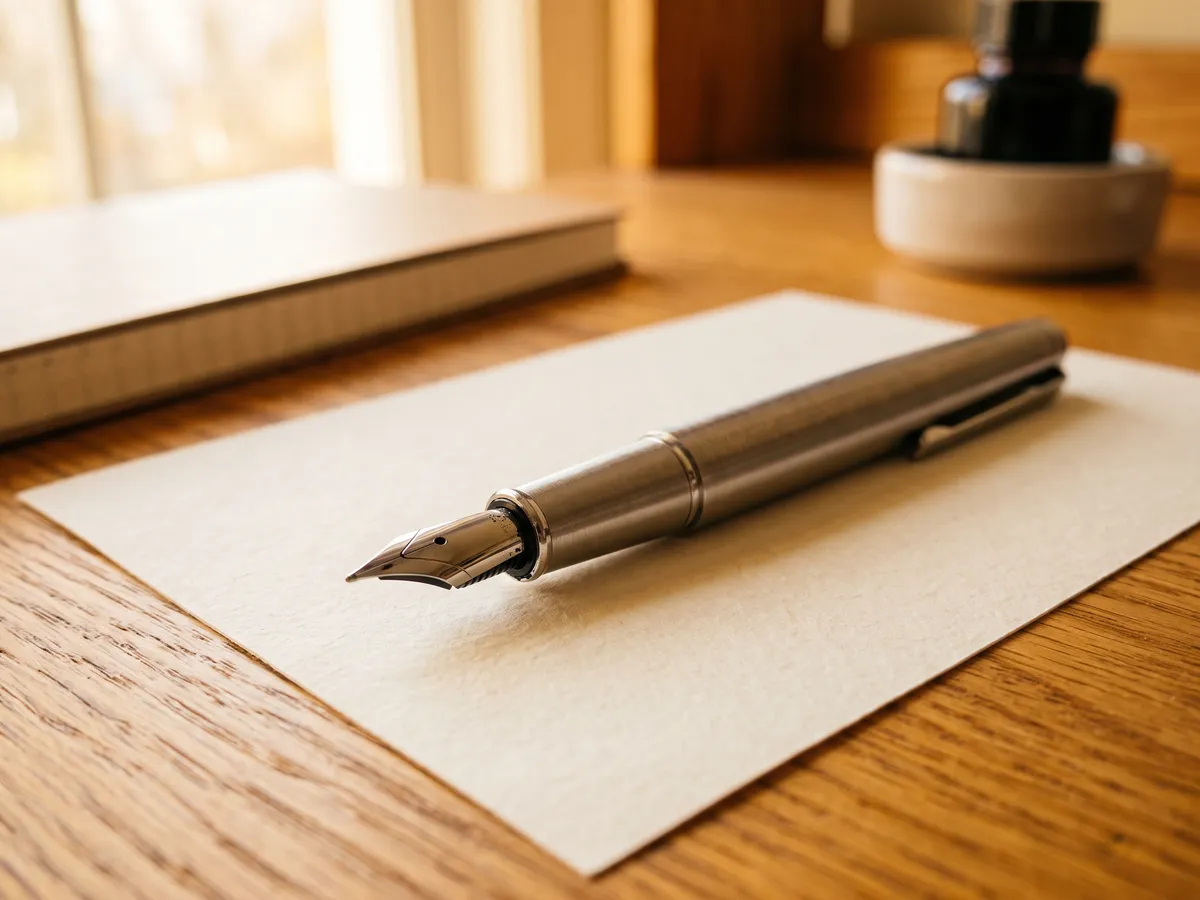
The Lamy Studio is a well-made, deliberately restrained metal pen that delivers the Lamy writing experience in a more polished form factor. It does not reinvent anything — and it does not need to. The nibs are reliable and immediately responsive, the build quality is genuinely solid, the propeller clip is a distinctive detail that ages well, and the Lamy ink ecosystem is one of the most widely available in the hobby.
Its limitations are real: the smooth aluminum grip section is genuinely uncomfortable for some users over long sessions, the Z26 converter offers modest ink capacity, and its price sits in a bracket with capable competitors from other brands. But evaluated on its own terms — as the natural step-up pen within the Lamy family — the Studio delivers clearly on its promise.
At its best, particularly in the Palladium finish with a Medium nib and a well-chosen bottled ink, the Studio is a daily writer that requires no apology in any setting. If you are already comfortable with Lamy’s nib character, it is the obvious next step before the 2000. If you are new to Lamy, start with the Lamy Safari — the same nibs, the same inks, substantially lower risk — and return to the Studio once you know the brand suits you.