Best value for price.
6 specimens scored on value for price.
Read the method →What value for price measures.
Value for price weighs everything the other seven dimensions measure against what the pen actually costs — plus the ownership economics that price tags hide: cartridge or converter cost, nib replacement availability, parts support, and how long the pen plausibly stays in rotation before you outgrow it.
This is the heaviest-weighted dimension in our overall score, because at the entry level it is the question buyers are actually asking. A $25 pen that needs a $8 proprietary converter and seals poorly is more expensive than a $30 pen that ships complete and lasts a decade.
How we score it
We score value by setting each pen's synthesized performance across the other seven dimensions against its street price and running costs — converter pricing, cartridge format, spare-part availability — as documented in manufacturer specs and owner reports of long-term ownership. High scorers overperform their price tier with cheap consumables; low scorers carry hidden costs or compete poorly one tier down. Read the full methodology →
What to look for
Mind the ink-system math: standard international cartridges give you dozens of ink brands at commodity prices, while proprietary formats tie you to one manufacturer. A piston filler removes cartridge costs entirely if you are willing to fill from a bottle.
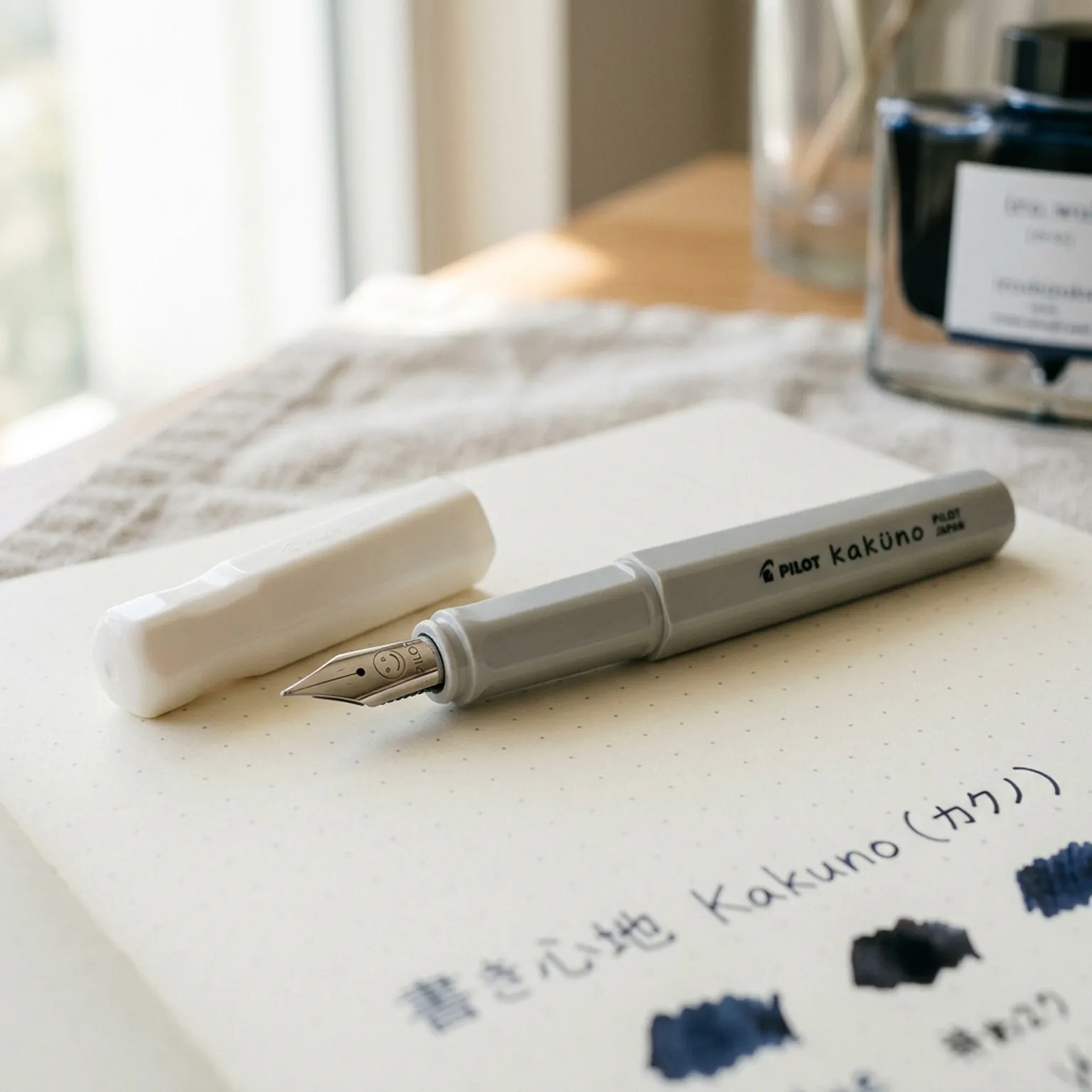
Why Pilot Kakuno Fountain Pen leads
The defining dimension. 'How the hell is the Pilot Kakuno only $10?' is a literal r/fountainpens thread title with 1,000+ upvotes — nib quality at $12–16 is the most-cited attribute across every source we found.
— from our Pilot Kakuno Fountain Pen review, value for price dimension